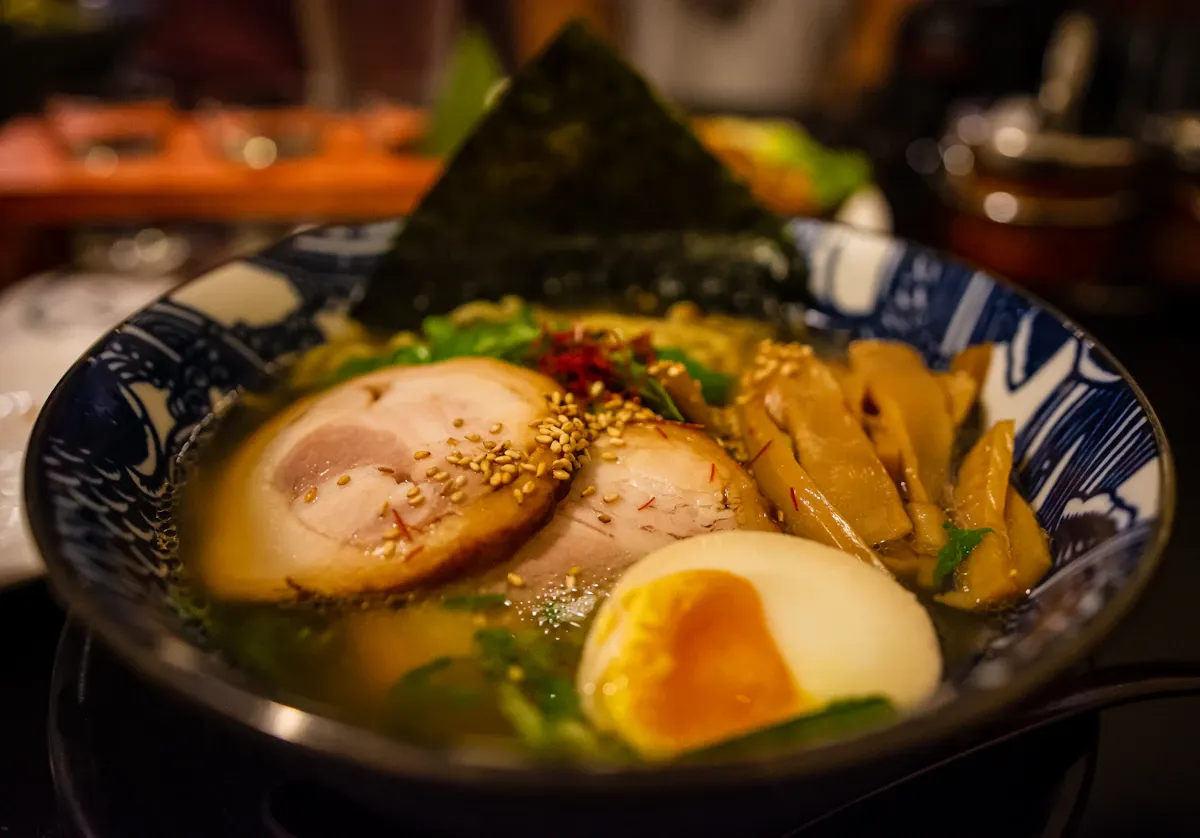
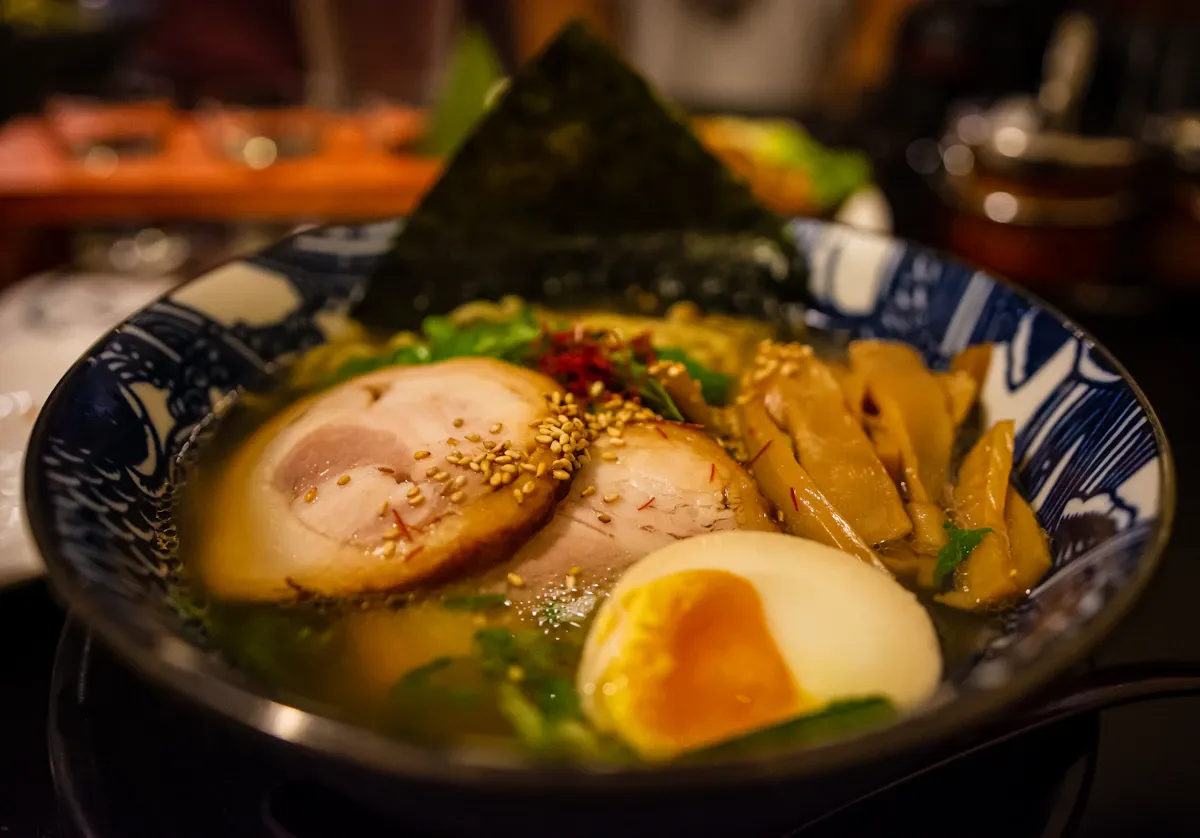
The 7 best tsukemen in Tokyo: Fuunji (Shinjuku), Rokurinsha (Tokyo Station), Taishoken (Ikebukuro), Itto and Tomita. Bowls ¥1,000-¥2,050; go early.
Introduction
The best tsukemen in Tokyo right now: Fuunji in Shinjuku, Rokurinsha inside Tokyo Station, and Higashi-Ikebukuro Taishoken, the home of morisoba. Bowls run ¥1,000–¥2,050, and most shops are easiest early, before the queue forms.
Tsukemen (つけ麺) is dipping ramen: thick, chewy noodles arrive separately, chilled or at room temperature, and you dip them into a concentrated, piping-hot broth that packs about twice the flavor punch of a normal bowl. The style traces back to Kazuo Yamagishi's tokusei morisoba, first put on the menu at Nakano Taishoken in 1955; the Higashi-Ikebukuro shop he opened in 1961 is now considered its home. We queued at all seven, from the shop most tied to the dish's origin to a reservation-only six-seat counter. Hours re-checked October 2026 where shops publish them.
Quick picks (if you're in a hurry)
| Restaurant | Area | Price | Best for |
|---|---|---|---|
| Menya Itto (麺屋一燈) | Shin-Koiwa | ~¥1,000–¥2,000 | The most celebrated bowl in Tokyo right now |
| Rokurinsha (六厘舎) | Tokyo Station | about ¥1,000–¥1,300 (check the ticket machine) | Easy access; no detour needed |
| Fuunji (風雲児) | Shinjuku / Yoyogi | ~¥1,000–¥1,300 | 38-hour chicken-fish broth |
1. Menya Itto (麺屋一燈) — The current champion
If Tokyo has a reigning tsukemen champion, it is Menya Itto. Founded by chef Yukihiko Sakamoto, the shop is built around a philosophy of "balanced land and sea" — chicken stock and five types of seafood are slowly reduced into a thick, silky dipping broth. The result is rich without being heavy, complex without being confusing.
What to order
The Tokusei Tsukemen (special, about ¥1,680–¥1,780; prices drift) is the move. You get three styles of chashu, a perfectly soft-boiled marinated egg, chicken meatballs (tsukune), and bamboo shoots, all sitting in a concentrated seafood-chicken broth. Large portions are available at no extra charge — and at 300g of noodles, you will not leave hungry.
Practical info
- Address: 1-4-17 Higashishinkoiwa, Katsushika-ku, Tokyo (東京都葛飾区東新小岩1-4-17)
- Nearest station: Shin-Koiwa Station (新小岩駅) — JR Chuo-Sobu Line, 3-minute walk
- Hours: Mon, Tue, Thu–Sat 11:00–15:00 & 18:00–21:00; Wednesday 11:00–15:00 only; closed Sunday (per Tabelog). The shop closes early when it sells out, so check menya-itto.com before the trip.
- Budget: ¥1,000–¥2,000 per person
- Queue and reservations: Long lines on busy days. Online booking via TableCheck was introduced in June 2024, so check menya-itto.com for open slots on your date.
- English menu: Yes
Insider tip
Do not underestimate the commute. Shin-Koiwa is about 20 minutes from Shinjuku on the Chuo-Sobu Line — perfectly manageable, but not walking distance from central Tokyo. The round trip is absolutely worth it.
2. Fuunji (風雲児) — The Shinjuku legend
Fuunji is one of those shops that inspires the kind of devotion normally reserved for sports teams. The master trained as an Italian chef before pivoting to ramen in 2007, and that cross-disciplinary thinking shows in a broth simmered for 38 hours from chicken carcasses, bonito (katsuo), and kombu — zero pork in the base. The result is intensely savory but lighter in finish than most pork-forward rivals.
What to order
The Tokusei Tsukemen (¥1,300 on the official menu; plain tsukemen is ¥1,000) comes with pork belly chashu, menma (bamboo shoots), and nori. Extra-large noodles (tokumori) are +¥200 on the official menu. The concentrated, creamy dipping broth has an almost beurre blanc-like quality — it is not hard to see the Italian-chef backstory once you taste it.
Practical info
- Address: 2-14-3 Yoyogi, Shibuya-ku, Tokyo (東京都渋谷区代々木2-14-3 北斗第一ビル) — the official site lists the shop as 1F, Tabelog as B1F
- Nearest station: Minami-Shinjuku Station (南新宿駅) — Odakyu Line, 1-minute walk; or Shinjuku Station (新宿駅), south exit, 5-minute walk
- Hours: 11:00–15:00 & 17:00–21:00, closes when sold out. Open every day per the official site.
- Budget: ¥1,000–¥1,300 per person
- Reservations: Not accepted
- English menu: Yes
Insider tip
Arrive by 10:45am to join the pre-opening queue. Fuunji is one of the few top tsukemen shops within easy reach of Shinjuku Station, which means the lunch rush hits hard and fast. Weekday mornings are calmer.
3. Rokurinsha (六厘舎) — The Tokyo Station option
Rokurinsha is the most accessible top tsukemen shop in Tokyo, sitting inside Tokyo Station's underground Ramen Street (First Avenue, Yaesu side). The master trained directly under Kazuo Yamagishi, whose tokusei morisoba is the dish tsukemen traces back to, which gives every bowl here a legitimacy that goes beyond convenience.
What to order
The Tsukemen (about ¥1,000–¥1,300; check the ticket machine) arrives with thick, extra-chewy domestic wheat noodles and a dipping broth built from pork bones, chicken bones, dried baby sardines (niboshi), smoked mackerel, and bonito flakes. A paper apron is handed out at the entrance — the broth is rich enough to splash. At the end of your meal, ask for supuwari: a fish-dashi-and-yuzu broth is added to your remaining dipping soup so you can drink it as soup. Do not skip this step.
Practical info
- Address: Tokyo Station First Avenue (一番街), B1F, Yaesu side, Chiyoda-ku (千代田区)
- Nearest station: Tokyo Station (東京駅) — many lines, underground access
- Hours: 7:30–9:45 (morning tsukemen menu) & 10:00–23:00, open daily with no regular closed day
- Budget: about ¥1,000–¥1,300 per person (check the ticket machine)
- English menu: Yes
Insider tip
The 7:30am opening is a rare chance to eat tsukemen for breakfast before catching a Shinkansen. Even at that hour there is usually a short queue — arrive 10 minutes early.
4. Higashi-Ikebukuro Taishoken (東池袋大勝軒) — The home of tsukemen
This is the shop most closely tied to tsukemen's origin. Chef Kazuo Yamagishi first put "tokusei morisoba" (特製もりそば) on the menu in April 1955 at Nakano Taishoken, which he was running, then opened Higashi-Ikebukuro Taishoken on 6 June 1961, where he perfected it as a signature dish: cold Chinese-style noodles dipped into a hot broth. The shop's official site says the dish is regarded as the origin of tsukemen. Many tsukemen shops in Tokyo trace their lineage back to it.
What to order
Order the Tokusei Morisoba (about ¥1,150 per a 2026 review; the official menu shows no prices) — the original dish, unchanged in spirit. The broth is pork, chicken, and seafood dashi with a subtle touch of sweetened vinegar, giving a slightly sweet-sour finish that is unique in Tokyo's tsukemen landscape.
Practical info
- Address: 2-42-8 Minamiikebukuro, Toshima-ku, Tokyo 171-0022 (東京都豊島区南池袋2-42-8)
- Nearest station: Higashi-Ikebukuro Station (東池袋駅) — Tokyo Metro Yurakucho Line, 1-minute walk; Ikebukuro Station (池袋駅), 5-minute walk
- Hours: 11:00–22:00 per the official shop list (Tabelog: 21:50), closed Wednesdays, ends when the soup runs out
- Budget: about ¥1,150 | Cash only
- English menu: Limited — pointing and ordering works fine
Insider tip
Visiting Taishoken is a food-history pilgrimage as much as a meal. Even if you plan to hit several tsukemen shops, come here to understand where it all started. The slightly sweet-vinegar broth profile you taste here is the DNA of the entire genre.
5. Raa Menya Shima (らぁ麺や 嶋) — The six-seat counter
Only six seats. Only 60 bowls a day. Weekdays only. Reservations open at 8:00am the day before and fill within minutes. Raa Menya Shima is the hardest tsukemen reservation in Tokyo — and among the most sought-after bowls in the city.
What to order
Chef Shima trained at multiple shops before opening this intimate counter near Nishi-Shinjuku-Gochome Station. The shop is primarily known for its shoyu and shio ramen, and the Katsuo-Kobusui Tsukemen (skipjack tuna and konbu broth) is a sub-menu item — a masterclass in clarity and depth, the kind of bowl where each component has been thought through to an unusual degree. Check which bowls are on offer when you book.
Practical info
- Address: 3-41-12 Honmachi, Shibuya-ku, Tokyo (渋谷区本町3-41-12), a few minutes from Nishi-Shinjuku-Gochome Station
- Nearest station: Nishi-Shinjuku Gochome Station (西新宿五丁目駅) — Toei Oedo Line, Exit A2, 5-minute walk
- Hours: Mon–Fri only, with entry slots from 8:15 to 14:00 (last seating 14:00; the shop closes at 14:30). Closed Sat, Sun and public holidays.
- Budget: about ¥1,700–¥2,050 per bowl
- Reservations: Fully reservation-only — book via TableCheck at 8:00am the day before (¥390 per person, non-refundable booking fee). There is no walk-in queue.
Insider tip
If you cannot secure a reservation, follow Shima on social media — occasional same-day cancellation slots appear. The weekday-only schedule means this shop suits those with flexible travel plans rather than weekend-only visitors.
6. Tsukemen Gonokami Seisakusho (五ノ神製作所) — For shrimp lovers
Almost every major tsukemen shop in Tokyo works with chicken, pork, or dried fish as its broth base. Gonokami Seisakusho takes a different route entirely: their signature is a dense, hot shrimp (ebi) dipping broth, packed with a pronounced crustacean sweetness that is unlike anything else on this list.
What to order
The Ebi Tsukemen (~¥1,000) is the reason people queue an hour before opening. The broth is made from whole shrimp shells cooked until the shellfish flavor is fully extracted, then seasoned and thickened. Creative seasonal variations include Ebi Miso Tsukemen and Ebi Tomato Tsukemen — if either is available when you visit, try it.
Practical info
- Address: 5-33-16 Sendagaya, Shibuya-ku, Tokyo (東京都渋谷区千駄ヶ谷5-33-16 シャトレー新宿御苑第一 1F) — behind Shinjuku Takashimaya
- Nearest station: Shinjuku Station (新宿駅) — south exit, 8-minute walk; or Shinjuku-Sanchome Station (新宿三丁目駅)
- Hours: 11:00–21:30 daily (last order 21:00)
- Budget: from ~¥1,000
- English menu: Basic
Insider tip
Arrive at least 30 minutes before opening on weekends. The ebi broth is made in limited quantities and the shop closes when it runs out — often well before the listed closing time.
7. Tomita / Matsudo Tomita Menban (とみ田) — The award winner
Tomita's main shop is in Matsudo, Chiba — technically outside Tokyo, but its KITTE branch puts it within walking distance of Tokyo Station for travelers who do not want to make the 20-minute train journey. Tomita has won the Grand Tsukemen Festival and Tokyo Ramen of the Year multiple times and has spent years at or near the top of Japan's ramen databases.
What to order
The Tokusei Tsukesoba (~¥1,500) at the KITTE branch layers two styles of chashu — perfectly grilled slices and tataki-seared rounds — over a deeply concentrated seafood-pork broth. Premium domestic wheat noodles are delivered fresh daily. If you can make it to the Matsudo main shop, the experience intensifies further: the queue is part of the ritual.
Practical info
- KITTE Tokyo branch: B1F KITTE building (キッテ), 2-7-2 Marunouchi, Chiyoda-ku — directly connected to JR Tokyo Station (丸の内南口)
- KITTE hours: Mon–Fri 11:00–22:00; Sat, Sun and holidays 11:00–21:00 (per the KITTE official site)
- Matsudo main shop: Matsudo (松戸), Chiba — 20 minutes from Ueno Station on the JR Joban Line. Reservation-only, 11:00–15:00, closed Wednesdays, cash only (closes when noodles or soup run out)
- Budget: about ¥2,000 at the KITTE branch
- English menu: Yes (KITTE branch)
Insider tip
The KITTE branch is the practical choice for most visitors — great bowl, no extreme wait. If you are a serious ramen pilgrim, book a slot online and make the trip to Matsudo, then budget two to three hours for the full experience.
Best tsukemen by Tokyo area
Tsukemen shops are clustered in just a handful of Tokyo neighborhoods. Here is what to eat depending on where you are staying or sightseeing.
Tsukemen in Shinjuku
Shinjuku is the single best base in Tokyo for tsukemen. Fuunji is the headline act — a five-minute walk from the south exit and famously generous with toppings. Tsukemen Gonokami Seisakusho behind Takashimaya serves the city's best shrimp-broth tsukemen. For the hardest reservation in the genre, Raa Menya Shima, near Nishi-Shinjuku-Gochome Station, is a six-seat counter.
For the full Shinjuku-only roundup including easier no-queue alternatives, see our dedicated tsukemen in Shinjuku guide.
Tsukemen near Shibuya
Shibuya itself does not have a tsukemen shop on the level of Fuunji or Itto, but you have two strong options: take the JR Yamanote Line one stop to Yoyogi or Shinjuku and visit Fuunji (about 13 minutes door-to-door from Shibuya Station), or grab regular ramen at one of Shibuya's standout shops. Our tsukemen in Shibuya guide covers the few in-area chain options and the Yamanote detour (about 13 minutes) to Fuunji. For Shibuya-specific food picks beyond noodles, our conveyor belt sushi in Shibuya guide covers nearby quick lunches.
Tsukemen near Tokyo Station
Rokurinsha on Tokyo Station's underground Ramen Street (see our Tokyo Ramen Street guide) is the easiest tsukemen in Tokyo to reach — no transfers, no walks longer than five minutes, and an early 7:30am opening for breakfast. Tomita's KITTE branch is in the building directly connected to the Marunouchi South exit, and it carries the legacy of one of Japan's most decorated ramen masters.
Tsukemen in Ikebukuro
Make the pilgrimage to Higashi-Ikebukuro Taishoken — one stop from Ikebukuro Station on the Yurakucho Line — for the morisoba Yamagishi perfected here after opening in 1961. The slightly sweet-vinegar broth profile here is the template for many tsukemen shops in Tokyo.
If tsukemen is not quite what you are after, halal ramen in Tokyo and vegan ramen in Shinjuku cover dietary-specific options.
How to choose the right spot for you
By location (easiest access first):
- Inside Tokyo Station: Rokurinsha, Tomita (KITTE)
- Shinjuku area: Fuunji, Gonokami Seisakusho, Raa Menya Shima
- Ikebukuro: Higashi-Ikebukuro Taishoken
- Further out (worth the trip): Menya Itto (Shin-Koiwa)
By budget:
- ¥1,000–¥1,500: Taishoken (about ¥1,150), Rokurinsha (about ¥1,000–¥1,300), Fuunji, Gonokami Seisakusho
- About ¥1,700–¥2,050: Menya Itto, Tomita, Raa Menya Shima
By experience level:
- First time in Tokyo: Rokurinsha (convenient, easy, excellent)
- History enthusiast: Taishoken (home of morisoba)
- Serious ramen pilgrim: Menya Itto or Raa Menya Shima
- Want something different: Gonokami Seisakusho (shrimp broth)
If you enjoy tsukemen you will almost certainly love the broader ramen scene too. See our complete ramen guide for Tokyo for shoyu, tonkotsu, and shio options across the city.
Essential tsukemen tips for first-timers
How to eat tsukemen: Dip a small bundle of noodles into the broth — do not dunk the whole portion at once. Lift, twirl, dip, eat. The noodles are meant to be eaten at a slightly cool temperature against the hot broth; the contrast is part of the experience.
Supuwari (スープ割り): When your noodles are gone, tell the staff supu-wari onegaishimasu (スープ割りお願いします). They will add a hot diluting broth to your remaining concentrated soup, diluting it into a drinkable soup. Never leave without doing this — it is one of the best parts.
Noodle sizing: Free upsizing is shop-specific. Yasubee lets you pick regular (220 g), medium (330 g) or large (440 g) at no extra charge, but Fuunji charges +¥200 for extra-large noodles and a 2026 review describes a separate large ticket at Taishoken. Check the ticket machine.
Ticket vending machines: The majority of tsukemen shops use automated ticket machines (券売機) at the entrance. Buy your ticket first, then find a seat. If the machine only accepts cash, there is almost always a convenience store nearby with an ATM.
Photography: Broth-dip photos look better than you expect — the thick broth has a glossy, steaming quality that photographs well. A few quick shots are generally fine; prolonged setup causes friction in small shops.
Japanese to know:
- Tsukemen (つけ麺) — dipping noodles
- Ōmori (大盛り) — large size
- Katame (硬め) — firm noodles
- Tokusei (特製) — special / deluxe toppings
- Supuwari (スープ割り) — broth diluted with dashi to drink
How to eat tsukemen (and how to ask for soup-wari)
Tsukemen (つけ麺) means "dipping noodles". Unlike ramen, the boiled noodles are chilled once in cold water to firm them up and served on a separate plate. Rokurinsha's official English menu asks you to dip the noodles into the soup one bite at a time, so do not tip the whole plate in.
Cold or hot noodles: hiyamori vs atsumori
The standard style is hiyamori (ひやもり): freshly boiled noodles tightened in cold water. Atsumori (あつもり) means the chilled noodles are passed through hot water again and served warm. Rokurinsha says every tsukemen on its menu can be ordered atsumori, and the wheat aroma comes through more. Taishoken says atsumori gives a supple texture and keeps the soup from cooling, which suits slow eaters. At Yasubee atsumori is free and recommended if you want the dipping soup piping hot to the end.
How to ask for soup-wari
Soup-wari (スープ割り) is a hot diluting broth that staff add to your leftover dipping soup after the noodles so you can drink it. Rokurinsha's is fish dashi with yuzu. Its official menu says to tell an employee "スープ割り", so say supu-wari onegaishimasu (スープ割りお願いします). At Yasubee it is free; taste the soup-wari broth on its own first, then add it to your dipping soup.
Portion sizes
Free upsizing is shop-specific. Yasubee offers regular 220 g, medium 330 g or large 440 g at no extra charge. Fuunji's official menu lists extra-large noodles at +¥200, and a 2026 Tabelog review describes buying a separate large (大盛り) ticket at Higashi-Ikebukuro Taishoken.
Ordering at the ticket machine (from reviews)
The official sites do not describe the machine, but recent Tabelog reviews do. Buy a ticket at the machine by the door and hand it to the staff. At Fuunji, staff ask how much noodle you want when you hand it over, and the machine takes e-money. At Taishoken the machine is just inside the entrance on the left and the shop is cash only. Rokurinsha also uses meal tickets (shokken, 食券).
FAQ
- What is tsukemen, and how is it different from ramen?
- Tsukemen (つけ麺) is dipping ramen: thick, chilled or room-temperature noodles are served separately from a small bowl of much more concentrated hot broth, and you dip as you eat. Ramen comes as a single bowl with noodles already in the soup. Tsukemen traces back to Kazuo Yamagishi's tokusei morisoba, first served in Tokyo in 1955, and its noodles are typically thicker and chewier.
- What is the best tsukemen restaurant in Tokyo?
- Menya Itto in Shin-Koiwa is widely regarded as the top tsukemen shop in Tokyo — and often all of Japan — thanks to its balanced chicken-seafood broth and generous toppings. For easier access, Fuunji near Shinjuku (38-hour broth) and Rokurinsha inside Tokyo Station are excellent choices.
- How much does tsukemen cost in Tokyo?
- A standard bowl costs ¥1,000–¥1,500 (roughly $7–$10 USD); tokusei (special) bowls at the top shops run ¥1,300–¥2,050. Large noodle portions are free at some shops (Yasubee, up to 440 g) but cost extra at others (Fuunji, +¥200 for extra-large).
- Is there tsukemen near Tokyo Station?
- Yes — Rokurinsha is located on the underground Ramen Street (First Avenue) inside Tokyo Station and opens as early as 7:30am. The Tomita KITTE branch is in the KITTE building directly connected to Tokyo Station's Marunouchi South exit.
- Do I need to make a reservation for tsukemen in Tokyo?
- Most shops are first-come, first-served. Raa Menya Shima near Nishi-Shinjuku-Gochome Station and Tomita's Matsudo main shop require reservations, and Menya Itto takes online bookings via TableCheck. For popular shops like Fuunji, arriving before opening (around 10:45am) is the standard strategy.
- What is supuwari and should I order it?
- Supuwari (スープ割り) is the practice of adding hot dashi stock to your remaining dipping broth once you have finished your noodles, turning it into a light drinkable soup. It is offered at most tsukemen shops — just tell the staff 'supu-wari onegaishimasu' (スープ割りお願いします). It is considered part of the full tsukemen experience and should never be skipped.
- Where was tsukemen invented?
- Tsukemen traces back to chef Kazuo Yamagishi's tokusei morisoba, first put on the menu in April 1955 at Nakano Taishoken, which he ran. He opened Higashi-Ikebukuro Taishoken on 6 June 1961, now considered the dish's home. Many tsukemen shops in Tokyo trace their lineage back to it.
- Is tsukemen vegetarian-friendly?
- Most traditional tsukemen broths are built on pork bones, chicken, and dried fish, so they are not vegetarian. A few specialist shops in Tokyo offer plant-based dipping noodles using kombu and shiitake dashi — see our vegan ramen in Shinjuku and vegetarian ramen in Tokyo guides.
- How do I eat tsukemen?
- Buy a meal ticket at the machine, hand it to the staff, then dip a small bundle of noodles into the soup for each bite. When the noodles are gone, tell the staff "supu-wari onegaishimasu" (スープ割りお願いします) and they will add a hot diluting broth so you can drink the leftover soup.