The 4 best halal ramen shops in Tokyo, every one re-verified against primary sources for 2026. Halal-certified bowls from ¥900 — with English menus, prayer-room info, and how to verify certification.
Introduction
Tokyo is the ramen capital of the world — but if you eat halal, finding a bowl that meets your dietary requirements can feel like searching for a needle in a haystack. The good news? Tokyo's halal ramen scene has grown dramatically in recent years, and you no longer have to settle for instant noodles from the convenience store.
We've spent weeks eating our way through Tokyo's halal-certified and Muslim-friendly ramen shops so you don't have to guess. Every shop in this guide has been re-verified for 2026 against primary sources (official sites, Japan Halal Association / Japan Islamic Trust listings, Tabelog, halalgourmet.jp) — closed shops and unverifiable listings have been removed.
If you're also looking for other halal dining options beyond ramen, check out our full halal food guide for Tokyo.
Quick picks (if you're in a hurry)
| Restaurant | Area | Price range | Best for |
|---|---|---|---|
| Naritaya (成田屋) | Asakusa | ¥900–¥1,300 | Overall best halal ramen experience |
| Ayam-Ya (アヤムヤ) | Shin-Okachimachi | ¥950–¥1,200 | Chicken-based halal ramen with prayer space |
| Honolu Premier (帆のるぷれみあ) | Asakusa | ¥1,000–¥1,400 | Halal tori-paitan close to Senso-ji |
All three are halal-certified and English-friendly — you really can't go wrong with any of them.
1. Naritaya (成田屋) — The pioneer of halal ramen in Tokyo
Naritaya is the name that comes up first whenever anyone talks about halal ramen in Tokyo, and for good reason. Located right in the heart of Asakusa — steps from Senso-ji temple — this small shop has been serving halal-certified ramen since the early days of Tokyo's Muslim-friendly dining movement.
The broth is made entirely from chicken and uses no alcohol or pork-derived ingredients. The result is a clean, savory bowl that still delivers the depth and umami you expect from a proper Tokyo ramen shop.
What to order
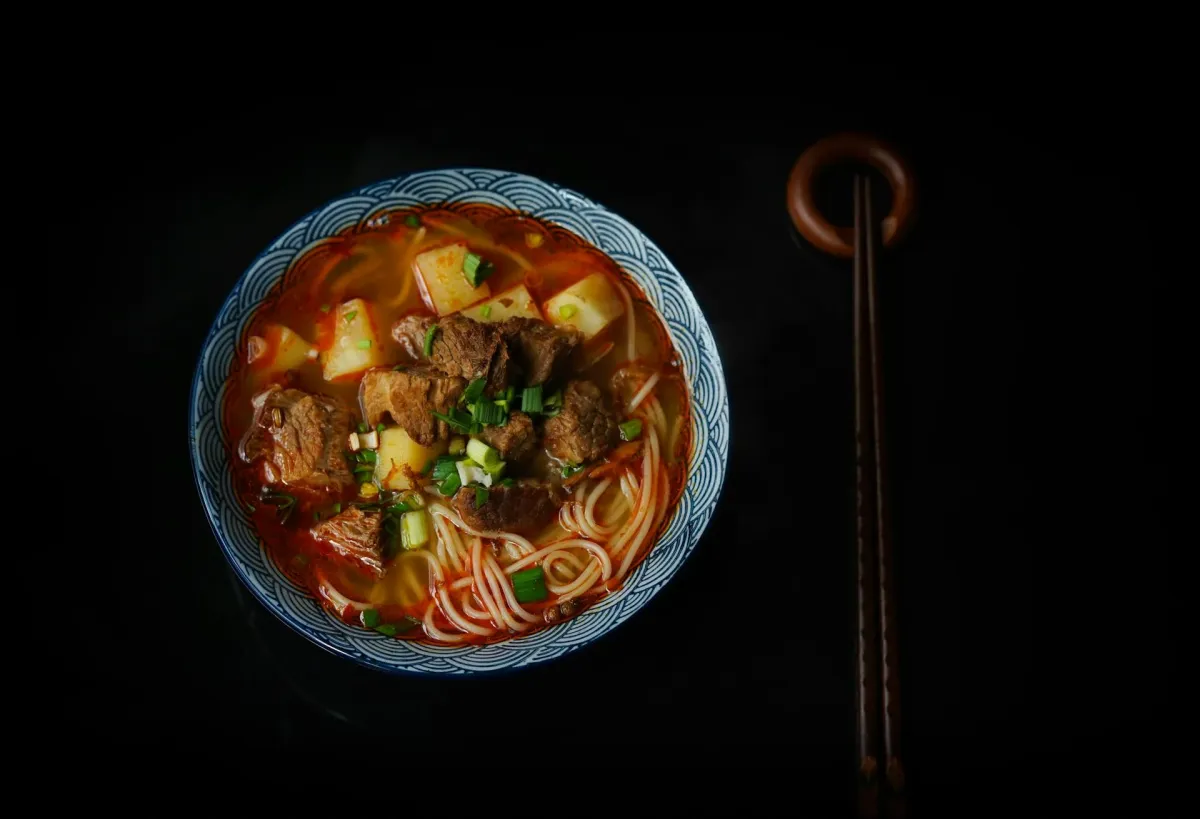
The halal shoyu ramen is the signature — a soy sauce-based chicken broth with tender halal chicken chashu, menma (bamboo shoots), and a seasoned egg. If you like heat, ask for the spicy miso version. They also serve halal gyoza, which are worth adding to your order.
Practical info
- Address: 2-7-13 Asakusa, Taito-ku, Tokyo (look for the green halal sign)
- Hours: 10:00–21:00, open daily
- Budget: ¥900–¥1,300 per person
- Halal certification: Yes — JHRA certified
- English menu: Yes
- Nearest station: Asakusa Station (Ginza Line, Exit 1), 3-minute walk
- Reservations: Not needed — expect a short wait during lunch on weekends
- 📍 View on Google Maps
Insider tip
Visit right after it opens at 10:00 on weekdays — you'll often have the shop to yourself. The location also makes it a perfect lunch stop if you're exploring Asakusa and Senso-ji in the morning.
2. Ayam-Ya (アヤムヤ) — Chicken ramen with a Malaysian twist
Ayam-Ya has quietly become one of Tokyo's most beloved halal ramen shops. The name gives away their specialty — "ayam" means chicken in Malay — and these bowls are built on a Southeast Asian-influenced chicken broth that's unlike anything else in the Tokyo ramen scene. The Tokyo branch is in Shin-Okachimachi (the previous Okachimachi shop relocated here in February 2020); a sister branch in Kyoto Karasuma is the only other location.
What to order
Go for the Ayam-Ya original ramen — the signature chicken broth is golden, fragrant, and lighter than typical Japanese ramen without sacrificing flavor. The spicy variant adds a sambal-like kick that pairs brilliantly with the noodles. For something heartier, the chicken karaage set adds crispy fried chicken on the side.
Practical info
- Address: 3-10-3 Motoasakusa, Taito-ku, Tokyo
- Hours: Typically 11:00–22:00 (check Google Maps for current hours)
- Budget: ¥950–¥1,200 per person
- Halal certification: Yes — halal-certified, with a dedicated prayer space on site
- English menu: Yes (with photos)
- Nearest station: Shin-Okachimachi Station (Toei Oedo Line / Tsukuba Express), 4-minute walk
Insider tip
Shin-Okachimachi is one stop from Akihabara on the Tsukuba Express, so the shop pairs well with an Akihabara or Ueno itinerary. Their chicken karaage is halal-certified too, which is rare in Tokyo.
3. Honolu Premier Asakusa (帆のるぷれみあ浅草) — Halal tori-paitan near Senso-ji
If you've heard that you can't get a proper rich, creamy tonkotsu-style ramen as a halal option — Honolu is here to prove that wrong. The brand has three Tokyo locations (Ebisu, Asakusa, and Shinjuku-Gyoenmae); the Asakusa branch (Honolu Premier Asakusa) is the easiest for travelers because it sits about a minute from Senso-ji and has a prayer room on the second floor. Honolu has developed a chicken-based broth that mimics the thick, milky texture of traditional pork tonkotsu, and it's remarkable how close they get.
What to order
The creamy chicken paitan ramen is the must-order here. The broth is slow-cooked for hours until it reaches a rich, opaque consistency that coats the noodles beautifully. Toppings include halal chicken chashu, soft-boiled egg, and nori. If you want extra richness, add the ajitama (flavored egg) topping. A spicy chicken ramen is also available.
Practical info
- Address: 3-16-1 Asakusa, Taito-ku, Tokyo
- Hours: Typically 11:00–15:00, 17:00–21:00 (check Google Maps for current hours)
- Budget: ¥1,000–¥1,400 per person
- Halal certification: Yes — prayer room on the second floor
- English menu: Yes
- Nearest station: Tsukuba Express Asakusa Station, 4-minute walk; Tokyo Metro Asakusa Station, 13-minute walk
Insider tip
This branch is the most convenient halal ramen stop for anyone visiting Senso-ji or Nakamise-dori. If you are based on the west side of the city, the Ebisu and Shinjuku-Gyoenmae branches are easier.
4. Gyumon (牛門) — Halal wagyu and ramen under one roof
Gyumon is primarily known as a halal wagyu yakiniku restaurant, but they also serve an excellent halal beef ramen that deserves a spot on this list. If you want to combine two of Tokyo's greatest food experiences — wagyu and ramen — in a single halal-certified meal, this is your place.
For more on their wagyu offerings, see our guide to halal wagyu restaurants in Tokyo.
What to order
The wagyu beef ramen is the star — a rich beef-based broth topped with thin slices of halal wagyu. It's a splurge compared to chicken-based halal ramen, but the depth of the beef broth and the melt-in-your-mouth wagyu make it worth every yen.
Practical info
- Address: 3-14-5 Shibuya, Shibuya-ku, Tokyo (flagship). The Gyumon Group also operates branches in Asakusa, Shinjuku, and Ikebukuro
- Hours: 11:30–15:00, 17:00–22:00 (varies by branch)
- Budget: ¥1,500–¥2,500 per person (higher due to wagyu)
- Halal certification: Yes
- English menu: Yes
- Nearest station: Shibuya Station, about 10 minutes on foot toward Ebisu
- 📍 View on Google Maps
Insider tip
Come for lunch to get the best value — their lunch sets pair ramen with small portions of wagyu at a lower price than dinner. Book ahead for dinner on weekends, as the yakiniku tables fill up fast.
How to choose the right halal ramen spot
With four verified options to pick from, here's how to narrow it down based on what matters most to you:
By strictness of halal requirements:
- Fully halal-certified kitchen (no cross-contamination risk): Naritaya, Ayam-Ya, Honolu Premier, Gyumon
By area:
- Asakusa (great for sightseeing): Naritaya, Honolu Premier
- Shin-Okachimachi / Ueno: Ayam-Ya
- Shibuya: Gyumon
By budget:
- Most affordable (¥900–¥1,200): Naritaya, Ayam-Ya
- Mid-range (¥1,000–¥1,400): Honolu Premier
- Splurge-worthy (¥1,500+): Gyumon (wagyu ramen)
By flavor profile:
- Classic Tokyo shoyu: Naritaya
- Rich and creamy chicken paitan: Honolu Premier
- Southeast Asian twist: Ayam-Ya
- Beef-forward: Gyumon
If you're new to ramen entirely, we recommend starting with Naritaya or Ayam-Ya — both deliver an authentic ramen experience in a welcoming, English-friendly environment.
Vegan and vegetarian ramen as an alternative
If you are travelling with non-Muslim companions who want a wider menu, or if a halal shop is closed when you visit, plant-based ramen is often the safest fallback — no pork, no animal stock, no alcohol-based seasonings. Tokyo's vegan ramen scene has grown almost as quickly as its halal scene.
→ See vegan ramen in Shinjuku for picks within walking distance of Shinjuku Station. → See vegetarian ramen in Tokyo for citywide options.
For halal food beyond ramen — wagyu, sushi, Japanese set meals, and Shin-Okubo's international halal scene — see our hub guide to halal food in Tokyo. For halal beef specifically, our halal wagyu Tokyo guide covers yakiniku spots like Gyumon in detail. For halal sushi, see our dedicated halal sushi Tokyo guide — Asakusa Sushi Ken (halal-certified) and FUJIYAMA TOKYO Shinjuku (Muslim-friendly) are the two verified spots in 2026.
FAQ
- Is there halal ramen in Tokyo?
- Yes — Tokyo now has several halal-certified ramen restaurants. Popular options include Naritaya in Asakusa, Ayam-Ya (with multiple locations), and Honolu Premier in Asakusa. The scene has grown significantly, and you can find halal ramen in most major tourist areas.
- How do I know if a ramen shop is truly halal?
- Look for official halal certification displayed at the entrance or ask to see the certificate. Shops certified by organizations like JHRA (Japan Halal Restaurant Association) undergo regular inspections. When in doubt, ask staff directly — most halal-friendly shops are accustomed to these questions.
- Can I find halal tonkotsu ramen in Tokyo?
- Traditional tonkotsu ramen uses pork bone broth, so it's not halal by definition. However, shops like Honolu have developed chicken-based broths that closely replicate the rich, creamy texture of tonkotsu. The result is surprisingly close to the original.
- What is the average price of halal ramen in Tokyo?
- Most halal ramen bowls cost between ¥900 and ¥1,300 (roughly $6–$9 USD). This is comparable to regular ramen prices in Tokyo. Wagyu beef ramen at specialty shops like Gyumon will run higher, around ¥1,500–¥2,500.
- Do halal ramen shops in Tokyo have English menus?
- Most halal ramen shops catering to tourists and the international community offer English menus, often with photos. Naritaya, Ayam-Ya, and Honolu all have full English menus. Even at shops with limited English, staff are generally helpful and patient.
- Are halal ramen shops in Tokyo open late?
- Most halal ramen shops close between 21:00 and 22:00. Unlike some conventional ramen shops that stay open past midnight, halal options tend to have earlier closing times. Plan your visit accordingly, especially if you're coming from evening activities.
- Is Shin Ramen halal?
- Standard Shin Ramyun (Korean instant noodles by Nongshim) is **not** halal — the soup base contains beef extract that is not halal-certified. Nongshim does sell a separate **halal-certified Shin Ramyun** made at a Busan plant audited by KMF — look for the green halal mark on the packet. Korean grocery stores in Shin-Okubo carry both, so always check the packet before buying. None of the Tokyo halal ramen shops in this guide serve Shin Ramyun — they make their own noodles.
Plan your halal ramen adventure in Tokyo
Tokyo's halal ramen scene is better than it's ever been, and it's only getting better. Whether you're craving a classic shoyu bowl at Naritaya, the creamy chicken paitan at Honolu, or wagyu beef ramen at Gyumon, you'll find authentic, satisfying ramen that fits your dietary needs.
The key is knowing where to go before you arrive — many of these shops are small and can be tricky to find without a plan.