Vegan and vegetarian ramen in Tokyo 2026: 8 shops, from T's TanTan and AFURI to all-vegan Jangara and UZU Tokyo. Hours, prices and ordering tips.
Introduction
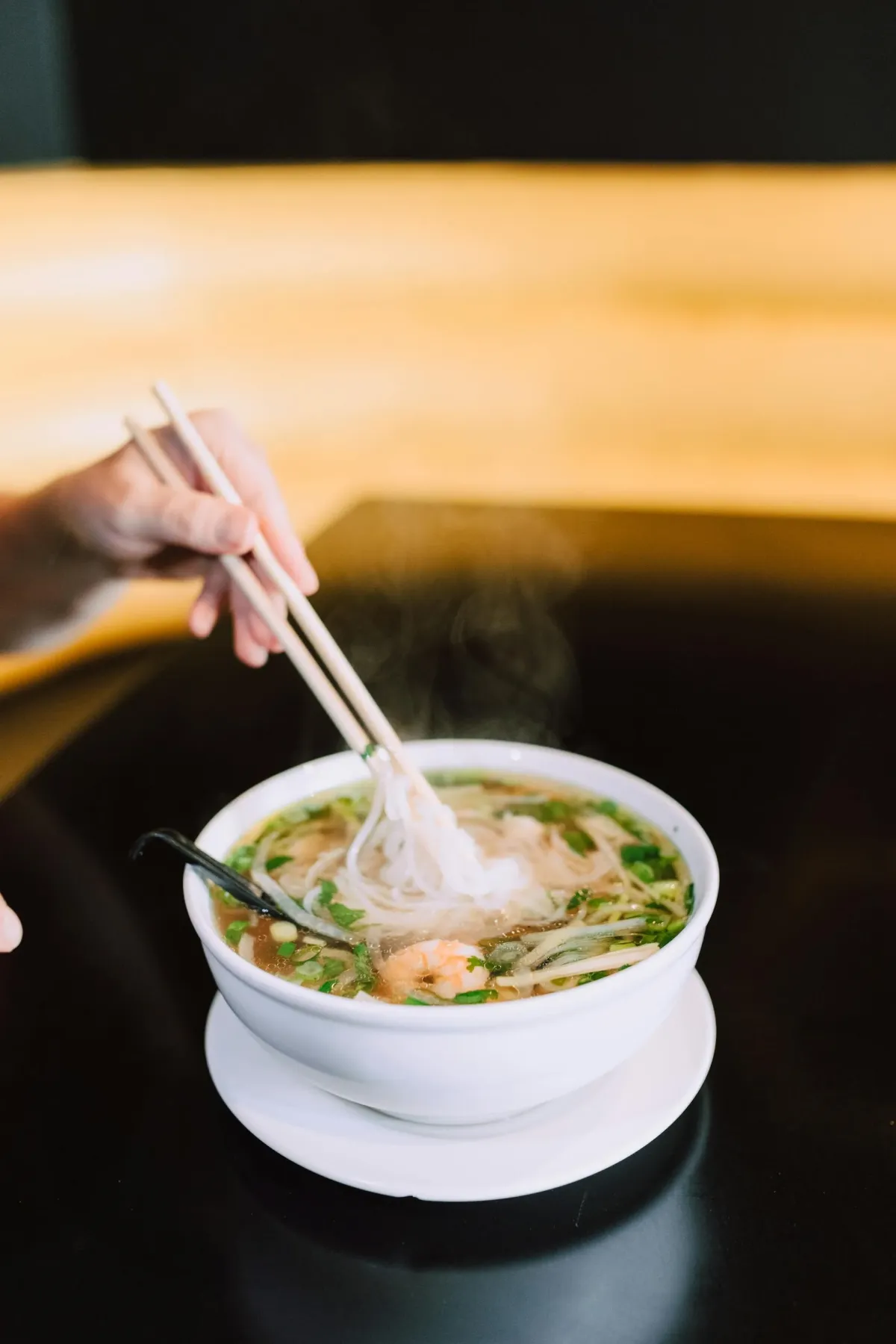
Finding great ramen when you don't eat meat or fish can feel overwhelming in Tokyo, where most broths are built on pork bones or dried bonito. The good news? A growing number of shops now serve bowls that are entirely plant-based -- and they are genuinely delicious, not afterthoughts on the menu. We tracked down 8 of the best vegan and vegetarian ramen restaurants across the city so you can slurp with confidence.
Quick picks (if you're in a hurry)
| Restaurant | Area | Price range | Best for |
|---|---|---|---|
| T's TanTan (T'sたんたん) | Gransta Tokyo B1F (outside the ticket gates), Tokyo Station | about ¥1,000-1,999 (Tabelog budget) | Spicy sesame tantanmen, fully vegan |
| AFURI (阿夫利) | Ebisu / Roppongi / others | ~¥1,790 | Colorful vegetable vegan ramen |
| Soranoiro NIPPON (そらのいろ NIPPON) | Tokyo Station (Ramen Street) | ~¥1,050-¥1,450 | Veggie soba plus separate vegan items |
| Ten To Sen (スパイスラーメン 点と線.) | Shimokitazawa | ¥1,000-¥1,999 (Tabelog) | Spicy ramen with a vegetarian option |
| Vegan Ramen UZU Tokyo (ヴィーガン ラーメン ウズ トウキョウ) | Toyosu (teamLab Planets grounds) | ¥2,000 | Fully vegan miso ramen after the exhibition |
| Vegan Bistro Jangara (ヴィーガンビストロ じゃんがら) | Harajuku | ¥1,450-¥1,500 | All-vegan menu with tonkotsu-style bowls |
| Shinbusakiya Shibuya (真武咲弥 渋谷店) | Shibuya / Shinsen | Not published | Dedicated vegan miso ramen at a mixed-menu shop |
| Ippudo Harajuku Takeshita-dori (一風堂 原宿竹下通り店) | Harajuku | Not confirmed | Plant-based Akamaru and Shiromaru |
1. T's TanTan (T'sたんたん) — The station favorite
If you only visit one vegan ramen spot in Tokyo, make it T's TanTan. Located at Gransta Tokyo B1F (outside the ticket gates), Tokyo Station, this 100% plant-based restaurant has been a reliable pit stop for travelers for over a decade.
What to order
The signature Tantan-men (about ¥1,000-1,999, Tabelog budget) is a rich sesame-and-chili broth made entirely from soy milk and plant-based dashi. It arrives with a generous mound of seasoned soy-meat crumbles and bok choy. If you prefer less heat, the Gold Sesame Tantan-men (金胡麻たんたん麺) is milder and creamier.
All noodles, gyoza, and side dishes on the menu are vegan -- no hidden fish flakes or animal stock anywhere.
Practical info
- Location: Gransta Tokyo B1F (outside the ticket gates), Tokyo Station, 1-9-1 Marunouchi, Chiyoda-ku. No ticket or platform ticket is needed.
- Nearest station: Tokyo Station (東京駅) -- JR lines, Marunouchi Line
- Hours: Check the official page (the Gransta B1F shop opened August 2026; hours not confirmed)
- Budget: about ¥1,000-1,999 (Tabelog budget)
- Reservations: Not accepted
- English menu: Check the official page
- Fully vegan: Yes, entire menu is plant-based
Insider tip
The shop is outside the ticket gates, so you can walk in without a ticket. If you are transferring through Tokyo Station, budget extra time to find the restaurant in the Gransta Tokyo basement.
2. AFURI (阿夫利) — Vegetable vegan ramen
AFURI made its name with a light, clear yuzu-citrus shio broth that set it apart from the heavy tonkotsu norm. It is a regular ramen chain rather than a vegan restaurant, but its menu includes a dedicated vegan bowl.
What to order
The vegan bowl is the Colorful Vegetable Vegan Ramen (彩り野菜のヴィーガンらーめん, sometimes called the Rainbow vegan ramen), reported at about ¥1,790 (Time Out, at the Ebisu branch, 2022). It is not the yuzu shio. Not every branch serves it (it is not on the menu at Yokohama Joinus or ZUND-BAR, for example), so check afuri.com/menu or ask staff before you queue.
Practical info
- Locations: Ebisu (1-1-7 Ebisu, Shibuya-ku, 117 Building 1F), Roppongi, Harajuku (3-63-1 Sendagaya) and Nakameguro, among others. Full list: afuri.com/shop
- Nearest station (Ebisu): Ebisu Station (恵比寿駅) -- JR Yamanote Line, Hibiya Line
- Hours: Ebisu 11:00-05:00; most other branches 11:00-23:00 (varies by branch; check the official shop list)
- Budget: about ¥1,800 for the vegan bowl
- Reservations: Not accepted at most branches
- English menu: Yes
- Fully vegan: No -- AFURI is a regular ramen shop that offers a vegan option alongside its standard menu. Cross-contamination is possible.
Insider tip
Confirm that the vegan bowl is on the menu at the branch you choose, and ask staff to confirm it is made without fish or animal-based stock.
3. Soranoiro NIPPON (そらのいろ NIPPON) — The creative pioneer
Soranoiro was one of the first Tokyo ramen shops to put vegetable-forward bowls on equal footing with its meat-based offerings. The branch to visit today is そらのいろ NIPPON on Tokyo Ramen Street inside Tokyo Station. (The original Kojimachi shop reopened in August 2025 as a tonkotsu ramen shop, so it is no longer a vegetarian destination.)
What to order
The Veggie Soba (about ¥1,050-¥1,450, depending on date and toppings) is built on a soy-milk and mushroom broth with whole-wheat noodles, according to the Tokyo Station First Avenue site. It is not labeled vegan there, so ask staff to confirm if you avoid all animal products. The shop also lists separate vegan items, such as a vegan tantanmen.
Practical info
- Location: Tokyo Ramen Street, B1F Tokyo Station First Avenue, Chiyoda-ku (東京駅一番街 B1F 東京ラーメンストリート)
- Nearest station: Tokyo Station (東京駅), Yaesu side
- Hours: 9:00-23:00 (last order 22:30)
- Budget: about ¥1,050-¥1,450 per person
- Reservations: Not accepted
- English menu: Yes
- Fully vegan: No -- vegan and vegetarian options are available but the kitchen handles animal products
- Official page: Tokyo Station First Avenue -- Soranoiro NIPPON
Insider tip
Ask staff which bowls are fully vegan before you buy your ticket. For the other shops on the street, see our Tokyo Ramen Street guide.
4. Ten To Sen (スパイスラーメン 点と線.) — Spicy ramen with a vegetarian option
Ten To Sen is a spice ramen shop in Shimokitazawa, a short walk from the station. It is not a vegan restaurant, so treat it as an "ask first" option rather than a guaranteed plant-based bowl. Time Out notes that there are vegetarian and halal options for the spicy ramen, but its standard bowls come with toppings such as ajitama egg and pork slices (Time Out), and we could not confirm which soup base is used.
What to order
Ask staff which spicy ramen can be made vegetarian and what the soup is made from before you buy your ticket. We have no verified price for the vegetarian bowl; Tabelog lists a general budget of ¥1,000-¥1,999.
Practical info
- Location: 3-34-2 Kitazawa, Setagaya-ku, Tokyo (東京都世田谷区北沢3-34-2), Shimokitazawa
- Nearest station: Shimokitazawa Station (下北沢駅) -- Odakyu Line, Keio Inokashira Line
- Hours: Mon-Fri 11:30-15:00 & 17:00-20:30; Sat-Sun 11:30-20:30 (per Tabelog; check before you go)
- Budget: ¥1,000-¥1,999 per person (Tabelog)
- Fully vegan: No -- vegetarian option only; ask about the broth
- Tabelog: Spice Ramen Ten To Sen, Shimokitazawa
Insider tip
Shimokitazawa is a fun neighborhood to explore after your meal -- vintage clothing shops, small theaters, and independent coffee roasters line the narrow streets.
5. Vegan Ramen UZU Tokyo (ヴィーガン ラーメン ウズ トウキョウ) — Vegan miso ramen at teamLab Planets
Vegan Ramen UZU Tokyo is a fully vegan ramen counter run by the Kyoto UZU team inside the teamLab Planets grounds in Toyosu. It works best as a meal after the exhibition rather than a stop on its own: according to the official English page, the counter is open to guests who have visited the exhibition with a valid teamLab Planets ticket. The menu is short. The official site lists a single ramen, plus vegan ice cream and muffins, and describes all three as vegan.
Read the allergen note before you order. The ramen contains soy, wheat and sesame, and the official site states that it is not gluten free and not free of the five pungent roots. Older menus with a cold flower ramen and ramen tea are outdated; only the Tokyo-only miso ramen is listed now.
What to order
- Miso Ramen, Vegan UZU style (¥2,000) -- the Tokyo-only bowl and the only ramen on the menu
- Vegan ice cream (¥800-¥900) -- a dessert after the ramen
- Vegan muffins (¥950)
Practical info
- Location: Inside the teamLab Planets TOKYO grounds, 6-1-16 Toyosu, Koto-ku, Tokyo
- Nearest station: Shin-Toyosu Station (新豊洲駅) -- Yurikamome Line, 1 minute on foot. Toyosu Station (豊洲駅) -- Tokyo Metro Yurakucho Line, about 10 minutes on foot (Tabelog)
- Hours: 10:30-21:30 (the food track opens at 10:30, ramen orders start at 11:00, last ramen order 21:00)
- Closed: On the days teamLab Planets is closed
- Budget: ¥2,000 for the miso ramen
- English menu: Yes
- Fully vegan: Yes -- the official site describes the ramen, ice cream and muffins as vegan. The ramen is not gluten free and not free of the five pungent roots.
- Official page: Vegan Ramen UZU Tokyo
- Tabelog: Vegan Ramen UZU Tokyo
6. Vegan Bistro Jangara (ヴィーガンビストロ じゃんがら) — Vegan tonkotsu-style ramen in Harajuku
Vegan Bistro Jangara is the all-vegan restaurant from the Kyushu Jangara ramen group, on the second floor of a building one minute from Meiji-jingumae Station. It recreates the group's tonkotsu-style bowls with plant-based ingredients, so it is the pick if you miss the richness of pork-bone ramen. The official grand menu states that all dishes are vegan, made without meat, seafood, eggs, dairy products, MSG and white sugar, and Oriental-vegan dishes without the five pungent roots are available on request.
The regular Kyushu Jangara shops serve pork tonkotsu, so this is the branch to choose if you want a fully vegan kitchen. A lunch menu runs until 15:00. The shop opened in March 2021 and does not take reservations, so you can simply walk in.
What to order
- Vegan Kobonshan (¥1,450) -- vegan tonkotsu-style ramen with roasted garlic oil
- Vegan Karabon (¥1,450) -- the spicy vegan tonkotsu-style bowl
- Non-oil Kyoto Yuba Ramen (¥1,500)
Practical info
- Location: 2F Shanzele Harajuku Annex 2 (シャンゼール原宿2号館 2F), 1-13-21 Jingumae, Shibuya-ku, Tokyo
- Nearest station: Meiji-jingumae Station (明治神宮前駅) -- Tokyo Metro, Exit 2, 1 minute. JR Harajuku Station (原宿駅), Omotesando Exit, 5 minutes (Tabelog)
- Hours: 11:00-22:00 (last order 21:00); lunch menu until 15:00
- Closed: Not stated on the official site; Tabelog says open daily
- Budget: ¥1,450-¥1,500 per bowl (official menu dated 14 September 2026)
- Reservations: Not accepted
- English menu: Yes
- Fully vegan: Yes -- the official menu states all dishes are vegan (no meat, seafood, eggs, dairy products, MSG or white sugar)
- Official page: Kyushu Jangara -- Vegan Bistro
- Tabelog: Vegan Bistro Jangara
7. Shinbusakiya Shibuya (麺匠 真武咲弥 渋谷店) — Vegan miso ramen at a late-night shop
Shinbusakiya (真武咲弥) is a seared-miso ramen shop on Dogenzaka, about 7 minutes from Shibuya Station, that sells a dedicated vegan miso ramen alongside its regular bowls. Its signature seared (aburi) miso ramen is not vegan, so pick the vegan bowl by name at the ticket machine. The official FAQ says the Shibuya shop sells a vegan-only miso ramen made without animal ingredients, and the site lists vegan, gluten-free and Oriental vegetarian options at its Shibuya and Matsumoto shops.
It stays open very late (closing at 4:30 a.m., or 5:30 a.m. on Fridays, Saturdays and holidays; times vary by weekday, so check the official site), which helps when other vegan spots have closed. The ticket machine has English. The shop takes no credit cards, only cash, transit IC cards or QR payments, and does not take reservations.
What to order
- Vegan miso ramen (ヴィーガン味噌らーめん) -- the dedicated vegan bowl
- GF and vegan gyoza -- listed on the official site as both gluten free and vegan
Practical info
- Location: 2-10-3 Dogenzaka, Shibuya-ku, Tokyo
- Nearest station: Shinsen Station (神泉駅) -- Keio Inokashira Line, about 280 m. Shibuya Station (渋谷駅), about 7 minutes on foot
- Hours: 11:00-04:30 the next day (Fri, Sat and holidays until 05:30); closing time varies by weekday
- Closed: No regular closing day (Tabelog)
- Budget: The official site lists no prices; check the ticket machine
- Reservations: Not accepted
- English menu: Yes
- Fully vegan: No -- mixed-menu shop. Only the dedicated vegan miso ramen (and the vegan gyoza) are plant-based; the signature aburi miso ramen is not vegan. Ask staff how the vegan bowl is prepared.
- Official page: samurai-noodle.jp
- Tabelog: Shinbusakiya Shibuya
8. Ippudo Harajuku Takeshita-dori (一風堂 原宿竹下通り店) — Plant Akamaru and Plant Shiromaru
This basement branch near Takeshita Street is the only Ippudo shop that sells both plant-based versions of the chain's signature bowls. Plant Akamaru (プラント赤丸) is built on a soy-milk broth with aroma oil and spicy miso, and Plant Shiromaru (プラント白丸) is a plant-based take on the classic Shiromaru with truffle oil. According to Ippudo's official menu page, both are made without animal ingredients. Plant Shiromaru is limited to this branch, while Plant Akamaru is also served at Ginza, Ginza-Higashi and Asakusa Kaminarimon-dori.
Ippudo labels these bowls plant-based, not vegan, and the same kitchen cooks pork tonkotsu ramen, so strict vegans may prefer one of the fully vegan shops above. The branch opened on 27 July 2024. We could not confirm an English menu or current prices, so check on site.
What to order
- Plant Akamaru (プラント赤丸) -- soy-milk broth with aroma oil and spicy miso
- Plant Shiromaru (プラント白丸) -- plant-based Shiromaru with truffle oil; sold only at this branch
Practical info
- Location: B1F FPG links TAKESHITADORI, 1-19-9 Jingumae, Shibuya-ku, Tokyo
- Nearest station: Harajuku Station (原宿駅) -- JR Yamanote Line, about 200 m (Tabelog)
- Hours: 11:00-22:30 (Tabelog)
- Closed: Not confirmed; check Google Maps before you go
- Budget: Not confirmed; check on site
- English menu: Not confirmed
- Fully vegan: No -- Ippudo calls these bowls plant-based (not vegan), and the kitchen also serves pork tonkotsu ramen
- Official menu: Ippudo menu
- Tabelog: Ippudo Harajuku Takeshita-dori
How to choose the right spot for you
By budget:
- About ¥1,000-¥1,500: T's TanTan (about ¥1,000-1,999, Tabelog budget), Soranoiro NIPPON (veggie soba ~¥1,050-¥1,450), Vegan Bistro Jangara (¥1,450-¥1,500)
- About ¥1,800-¥2,000: AFURI's vegan ramen (~¥1,800), Vegan Ramen UZU Tokyo (¥2,000)
- Unconfirmed: Ten To Sen (Tabelog general budget ¥1,000-¥1,999); Shinbusakiya Shibuya and Ippudo Harajuku Takeshita-dori (no prices on the sources we checked)
By dietary strictness:
- Fully vegan menu: T's TanTan, Vegan Bistro Jangara, Vegan Ramen UZU Tokyo
- Vegan, plant-based or vegetarian options at a mixed-menu shop: AFURI, Soranoiro NIPPON, Ten To Sen, Shinbusakiya Shibuya, Ippudo Harajuku Takeshita-dori (Ippudo's bowls are plant-based, not labeled vegan, and the kitchen also cooks pork)
By location:
- Tokyo Station area (great for transit): T's TanTan, Soranoiro NIPPON (Ramen Street)
- Ebisu / Roppongi / Harajuku / Nakameguro: AFURI
- Harajuku / Shibuya: Vegan Bistro Jangara, Ippudo Harajuku Takeshita-dori, Shinbusakiya Shibuya
- Toyosu (pair with a teamLab Planets visit): Vegan Ramen UZU Tokyo
- Day-trip-worthy neighborhood: Ten To Sen (Shimokitazawa)
If you have other dietary restrictions like gluten sensitivity, we have a separate guide to gluten-free ramen in Tokyo. For halal-certified options, see our halal food guide for Tokyo. When you want plant-based meals beyond noodles, our guide to vegetarian restaurants in Tokyo rounds up 11 vegan and shojin spots across the city.

Tips for ordering plant-based ramen in Tokyo
-
Learn the key phrase: "Watashi wa bejitarian desu" (私はベジタリアンです) means "I am vegetarian." For vegan, say "biigan" (ビーガン). Most ramen staff in tourist areas will understand the English words too.
-
Watch out for dashi: Even if the broth looks veggie-friendly, traditional Japanese dashi uses katsuobushi (bonito flakes). Always confirm by asking "Katsuo dashi wa haitte imasu ka?" (鰹出汁は入っていますか?) -- "Does it contain bonito dashi?"
-
Ticket machines: Many ramen shops use vending-machine-style ticket ordering. Vegan options are sometimes marked with a leaf symbol or written in green. When in doubt, show the staff a photo or the Japanese text of what you want.
-
Check HappyCow: The HappyCow app is invaluable for finding verified plant-based options near your current location in Tokyo. Reviews are regularly updated by the community.
-
Convenience store backup: If you strike out at a ramen shop, major konbini chains carry onigiri suitable for vegetarians -- look for kombu (kelp) or ume (plum) fillings.
FAQ
Is regular ramen in Tokyo vegetarian? Almost never. Standard ramen broth is made with pork bones (tonkotsu), chicken, or dried fish (niboshi/katsuobushi). Even miso and shoyu ramen almost always use animal-based dashi. You need to seek out specifically labeled vegan or vegetarian options.
What is the best vegan ramen in Tokyo for beginners? We recommend starting with T's TanTan at Tokyo Station. It is fully vegan, easy to find, affordable, and the staff are experienced with international visitors. The sesame tantanmen is a crowd-pleaser.
Can I find vegan ramen near major tourist areas? Yes. T's TanTan and Soranoiro NIPPON are both inside Tokyo Station. AFURI has branches in Ebisu, Roppongi, and Harajuku, and Ten To Sen is in Shimokitazawa. Vegan Bistro Jangara and Ippudo Harajuku Takeshita-dori are in Harajuku, Shinbusakiya Shibuya is near Shibuya, and Vegan Ramen UZU Tokyo is in Toyosu next to teamLab Planets.
Is vegan ramen in Tokyo expensive? Prices on this list run from about ¥1,000 to ¥2,000 per bowl (roughly $7-$13 USD): T's TanTan's budget is about ¥1,000-1,999 (Tabelog budget), Soranoiro NIPPON's veggie soba about ¥1,050-¥1,450, Vegan Bistro Jangara's bowls ¥1,450-¥1,500, AFURI's vegan ramen about ¥1,790, and Vegan Ramen UZU Tokyo's miso ramen ¥2,000. That is a little above a regular bowl but still a reasonable meal in Tokyo.
Do vegan ramen shops in Tokyo have English menus? Most of the restaurants on this list offer English menus or picture menus. T's TanTan, AFURI, Soranoiro NIPPON, Vegan Bistro Jangara, Vegan Ramen UZU Tokyo, and Shinbusakiya Shibuya all have English menus. At smaller local shops, showing a photo or using basic Japanese phrases will get you through the ordering process.
Are the noodles themselves vegan? Standard ramen noodles are made from wheat flour, water, salt, and kansui (an alkaline mineral water) -- no eggs. However, some shops use egg noodles for specific dishes. At the fully vegan restaurants on this list, all noodles are egg-free. At mixed-menu shops, confirm with staff if you are unsure.
<!-- <script type="application/ld+json"> { "@context": "https://schema.org", "@type": "FAQPage", "mainEntity": [ { "@type": "Question", "name": "Is regular ramen in Tokyo vegetarian?", "acceptedAnswer": { "@type": "Answer", "text": "Almost never. Standard ramen broth is made with pork bones (tonkotsu), chicken, or dried fish. You need to seek out specifically labeled vegan or vegetarian options." } }, { "@type": "Question", "name": "What is the best vegan ramen in Tokyo for beginners?", "acceptedAnswer": { "@type": "Answer", "text": "We recommend starting with T's TanTan at Tokyo Station. It is fully vegan, easy to find, affordable, and the staff are experienced with international visitors." } }, { "@type": "Question", "name": "Is vegan ramen in Tokyo expensive?", "acceptedAnswer": { "@type": "Answer", "text": "Prices on this list run from about 1,000 to 2,000 yen per bowl, a little above a regular bowl but still a reasonable meal in Tokyo." } }, { "@type": "Question", "name": "Are the noodles themselves vegan?", "acceptedAnswer": { "@type": "Answer", "text": "Standard ramen noodles are made from wheat flour, water, salt, and kansui — no eggs. At the fully vegan restaurants on this list, all noodles are egg-free." } } ] } </script> -->