Asakusa street food under ¥500 around Nakamise-dori and Senso-ji: Azuma kibi dango, Kokonoe age-manju, Kagetsudo melon pan. Hours and a walking route.
Introduction
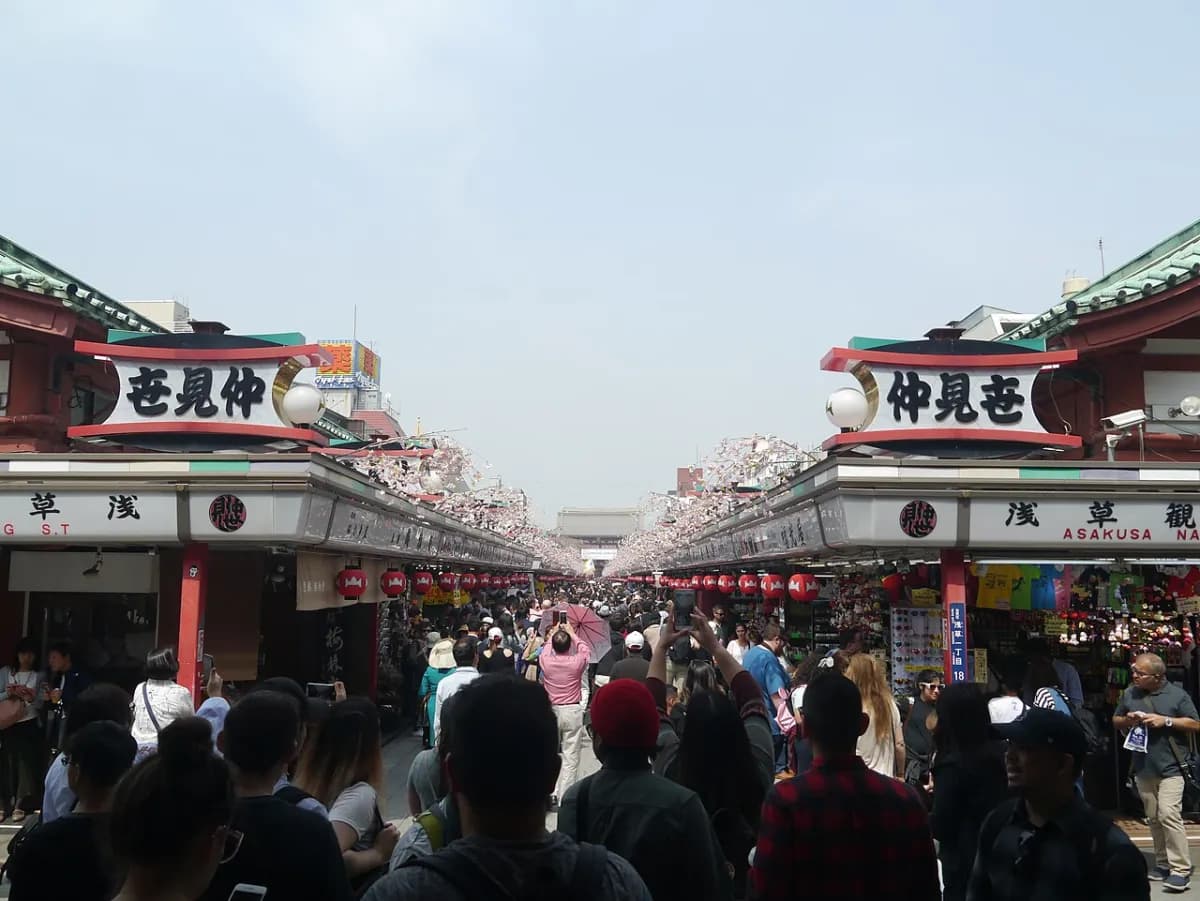
Asakusa is Tokyo's undisputed street food capital. The streets around Senso-ji temple -- especially Nakamise-dori and the winding back alleys behind it -- are packed with stalls selling freshly grilled rice crackers, piping-hot manju, and some of the best melon bread you will ever eat.
The best part? Almost everything costs under ¥500. You can eat your way through Asakusa on a budget of ¥2,000-¥3,000 and walk away stuffed.
We spent a full day working through every stall worth visiting on Nakamise-dori and the surrounding streets. This guide covers 10 of the best cheap street foods in Asakusa, plus a walking route, opening hours, and practical tips so you can plan your own food walk.
Quick overview: Asakusa street food at a glance
| Snack | Where | Price | Must-Try? |
|---|---|---|---|
| Kibi Dango (millet dumplings) | Azuma, Kaminarimon end of Nakamise-dori | ~¥400-450 | Yes |
| Ningyoyaki (stuffed cakes) | Multiple stalls, Nakamise-dori | ~¥300-¥600 | Yes |
| Jumbo Melon Pan | Kagetsudo, back streets | ~¥300 | Yes |
| Age-manju (fried manju) | Asakusa Kokonoe, Nakamise-dori | ~¥160-¥250 | Yes |
| Beef croquette / menchi-katsu | Various stalls | ~¥200-¥400 | Yes |
| Taiyaki (fish-shaped pastry) | Near Senso-ji | ~¥200-¥300 | Yes |
| Senbei (rice crackers) | Nakamise-dori | ~¥200-¥400 | Yes |
| Dango (rice dumplings) | Near Senso-ji | ~¥200-¥400 | Yes |
| Matcha soft serve | Multiple vendors | ~¥350-¥560 | Optional |
| Tempura street snacks | Back streets | ~¥300-¥500 | Optional |
Suggested walking route
Here is the route we recommend for hitting all the best stalls without backtracking:
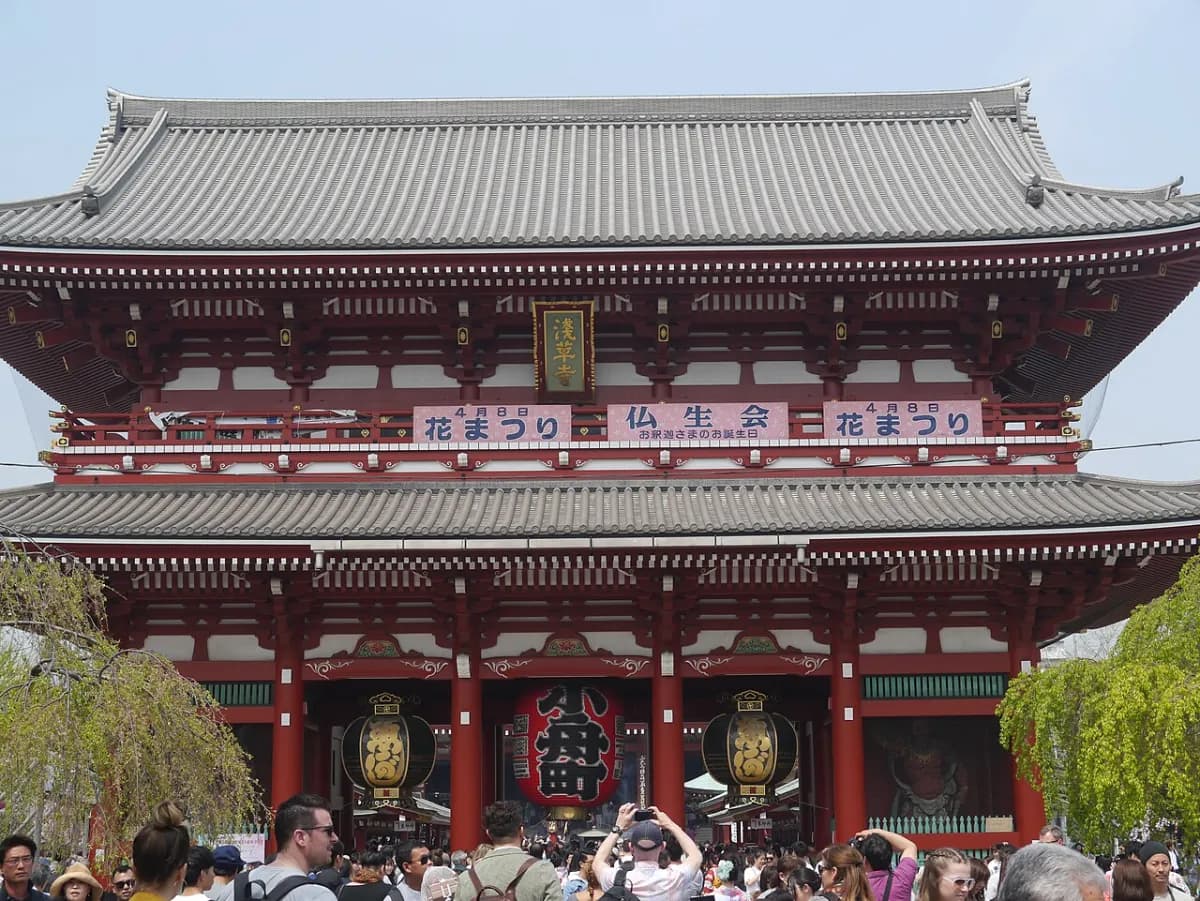
Kaminarimon Gate (雷門) → Nakamise-dori (the main approach to Senso-ji, lined with stalls on both sides) → Senso-ji Temple (stop and explore) → Nishi-sando and Denpoin-dori (the back streets west of the temple -- fewer tourists, great stalls) → loop back toward Kaminarimon.
The entire walk takes about 2-3 hours at a relaxed eating pace. If you want to try everything on this list, budget about 3 hours so you can take your time.
Best time to visit
- Morning (9:00-10:30): The sweet spot. Most Nakamise-dori stalls open around 9:00 or 10:00. Crowds are thin, and the light is beautiful for photos.
- Late morning to early afternoon (11:00-14:00): Peak crowds, especially on weekends and holidays. You will wait in line at popular spots like Kagetsudo.
- Late afternoon (15:00-17:00): Crowds thin out again, but some stalls start closing by 17:00. Not all vendors stay open until evening.
We recommend arriving between 9:30 and 10:00 on a weekday if possible. Weekend mornings work too, but expect lines from 11:00 onward.
1. Kibi Dango — Azuma (きびだんご あづま)
This is the snack that has been sold on Nakamise-dori for generations. Kibi dango are small millet dumplings dusted in kinako (roasted soybean powder) -- soft, chewy, and gently sweet. You get five skewers of dumplings.
Azuma is the most iconic vendor. You will spot it by the crowd gathered around the open kitchen, watching staff shape and dust the dumplings by hand right in front of you.
What to know
- Price: ~¥400-450 for 5 skewers; amazake and cold matcha are sold separately
- Location: 1-18-1 Asakusa, on a corner at the Kaminarimon end of Nakamise-dori, a few steps from the gate
- Hours: 9:30-19:00 (closes when sold out; other listings differ, so check on the day)
- Tip: Order a cold matcha on the side -- its slight bitterness pairs perfectly with the sweet dumplings.
2. Ningyoyaki (人形焼) — Asakusa's signature stuffed cakes
Ningyoyaki are small batter cakes molded into shapes -- traditional ones look like the Kaminarimon lantern, the five-story pagoda, or a turtle. Inside, you will usually find smooth anko (sweet red bean paste), though some vendors sell hollow or custard-filled versions.
Several stalls on Nakamise-dori sell ningyoyaki, and you can watch the cakes being pressed on cast-iron molds right at the shop front. The ones fresh off the grill are soft and warm, with slightly crispy edges.
What to know
- Price: ~¥300-¥600 depending on the number of pieces (usually 4-10 per pack)
- Location: Multiple stalls on Nakamise-dori. Look for the ones making them fresh on the spot rather than pre-packaged
- Hours: 9:00-17:00 or later
- Tip: Buy them fresh and eat them right away. Once they cool down, the texture changes and they lose that soft, pillowy quality. The anko-filled version is the classic choice.
3. Jumbo Melon Pan — Asakusa Kagetsudo (花月堂)
Kagetsudo is famous for one thing: enormous melon bread (melon pan). Their version is roughly the size of your face -- a light, airy bun with a cookie-like crust that shatters into buttery crumbs when you bite into it. Despite the name, melon pan does not taste like melon. The name comes from the crisscross pattern on top that resembles a cantaloupe.
This is one of the most popular street food stops in all of Asakusa. The line often stretches down the narrow back street, especially on weekends. It moves quickly though.
What to know
- Price: ~¥300 (third-party listings; the official site lists no price)
- Location: Main shop at 2-7-13 Asakusa, on a side street west of Senso-ji, near Denpoin-dori. Not on Nakamise-dori itself -- follow the signs or the smell. A second branch, Kaminarimon-ten, is at 1-18-11 Asakusa.
- Hours: Weekdays from 11:00, weekends and holidays from 10:00, until the jumbo melon pan sells out; no fixed holiday (official site)
- Tip: Eat it while it is warm. A freshly baked melon pan from Kagetsudo is crunchy on the outside and almost cloud-like inside. Once it cools, it is still decent but loses the magic. They also offer seasonal variations like matcha and strawberry.
4. Age-Manju — Asakusa Kokonoe (浅草九重)
Age-manju are deep-fried manju (stuffed buns), and Asakusa Kokonoe has been perfecting them for decades. The frying gives the outside a thin, golden crust while the filling inside stays soft and warm.
They offer multiple flavors: classic anko (red bean), matcha, sweet potato, sesame, pumpkin, and sakura (seasonal). The variety is part of the fun -- grab two or three different ones and compare.
What to know
- Price: ~¥160-¥250 per piece
- Location: Nakamise-dori, near the Senso-ji end
- Hours: 9:30-19:00 (some listings say 9:30-18:30; varies in Nov-Dec)
- Tip: The matcha age-manju has a slightly bitter filling that balances the sweetness of the dough beautifully. If you only try one, make it that. Sweet potato is the runner-up -- it is seasonal and has a naturally gentle sweetness.
5. Beef croquette and menchi-katsu
Croquettes (korokke) and menchi-katsu (deep-fried minced meat patty) are classic Japanese street food, and several vendors in the Asakusa area do them well. You will find them on Nakamise-dori and the surrounding streets, sold from small windows for a few hundred yen each.
A good beef croquette has a shattering panko crust and a creamy, well-seasoned potato-and-beef interior. Menchi-katsu is juicier -- it is more like a breaded burger patty, and the best ones burst with meaty flavor when you bite in.
What to know
- Price: ~¥200-¥400 per piece
- Location: Various vendors on Nakamise-dori and Denpoin-dori
- Hours: 10:00-17:00 (varies)
- Tip: Eat these immediately. They are at their peak within the first 60 seconds out of the fryer. If you see a vendor pulling a fresh batch out of the oil, that is your cue to buy.
6. Taiyaki (鯛焼き)
Taiyaki are fish-shaped pastries filled with sweet red bean paste, custard, or sometimes chocolate. The crispy, waffle-like shell is baked in a fish-shaped mold, and the best taiyaki have filling that extends all the way into the tail.
You will find taiyaki vendors near Senso-ji and on the side streets around Nakamise-dori. Some stalls use thin, crispy batter while others go for a thicker, softer shell -- both styles are good, but we prefer the thin and crispy version.
What to know
- Price: ~¥200-¥300
- Location: Multiple vendors near Senso-ji and surrounding streets
- Hours: 10:00-17:00 (varies)
- Tip: If you want the crispiest taiyaki, ask for one fresh off the iron. The anko filling is the traditional choice, but custard (cream) is popular with visitors who find red bean paste too unfamiliar.
7. Senbei (煎餅) — Hand-grilled rice crackers
Freshly grilled senbei are one of the most satisfying snacks on Nakamise-dori. Unlike the packaged rice crackers you can buy at any convenience store, these are grilled over charcoal right in front of you and brushed with soy sauce as they cook. The result is crunchy, smoky, and deeply savory.
Some vendors sell giant round senbei the size of a dinner plate. Others offer smaller ones on sticks, or flavored varieties with chili, nori (seaweed), or zarame (sugar crystals).
What to know
- Price: ~¥200-¥400
- Location: Nakamise-dori -- several vendors along the length of the street
- Hours: 9:00-17:00
- Tip: The soy-sauce-glazed senbei grilled over charcoal are the classic choice. Watch for the vendors doing it by hand on open grills -- the aroma alone is worth stopping for. These also make great souvenirs since they keep well, unlike most of the other street foods here.
8. Dango (団子) — Grilled rice dumplings
Dango are chewy rice dumplings skewered on a stick, usually three or four per skewer. The most common preparation in Asakusa is mitarashi dango -- grilled until slightly charred and glazed with a sweet soy sauce that caramelizes on the surface.
The texture is key: a good dango should be soft and mochi-like inside with a lightly crispy exterior from the grill. The sweet-savory glaze is addictive.
What to know
- Price: ~¥200-¥400 per skewer
- Location: Near Senso-ji and on side streets around the temple
- Hours: 10:00-17:00
- Tip: Do not confuse dango with kibi dango (item #1). Regular dango are larger, made from rice flour, and grilled rather than steamed. Both are delicious but very different snacks.
9. Matcha soft serve and matcha sweets
You will not walk more than 50 meters in Asakusa without passing a matcha soft serve window. The concentration of matcha-themed shops near Senso-ji is intense, and the quality ranges from forgettable to genuinely excellent.
The best matcha soft serve in the area uses high-grade matcha that tastes distinctly grassy and slightly bitter -- not just green-colored vanilla. Some shops offer tiered matcha intensity, letting you choose from mild to ultra-strong.
What to know
- Price: ~¥350-¥500 for soft serve (Suzukien's strongest No. 7 is about ¥530-560); ~¥300-¥600 for matcha lattes or other sweets
- Location: Multiple vendors on Nakamise-dori and surrounding streets. Suzukien (壽々喜園) near Senso-ji is known for offering seven levels of matcha intensity
- Hours: Suzukien 11:00-17:00 (irregular holidays); other shops vary
- Tip: If you want the real matcha experience, go for the strongest grade. The lower-intensity options taste more like green tea ice cream. The premium matcha levels are where the flavor gets complex and genuinely bitter.
10. Tempura street snacks
Asakusa has deep roots in tempura -- the neighborhood has been famous for it since the Edo period. While sit-down tempura restaurants are a different experience (and a different price bracket), you will find several stalls and takeout windows on the back streets selling single pieces of tempura for street-food prices.
Common options include shrimp, sweet potato, squid, and lotus root. The batter should be light, thin, and crispy -- not heavy or greasy.
What to know
- Price: ~¥300-¥500 for individual pieces or small combos
- Location: Back streets near Senso-ji, particularly on Denpoin-dori and the side streets west of the temple
- Hours: 10:30-17:00 (varies)
- Tip: The sweet potato (satsumaimo) tempura is a sleeper hit. The natural sweetness of the potato contrasts with the savory, crispy batter in a way that feels uniquely Japanese. Shrimp is the crowd-pleaser, but try the vegetables too.
Budget guide: How much does an Asakusa food walk cost?
Here is a realistic budget breakdown for eating your way through Asakusa:
Budget food walk (5-6 items): ¥1,500-¥2,000 Stick to the most affordable picks: kibi dango, one or two ningyoyaki, an age-manju, a croquette, and a dango skewer. This is enough food to replace a light lunch.
Full food walk (8-10 items): ¥2,500-¥3,500 Try nearly everything on this list, including a melon pan, taiyaki, senbei, and matcha soft serve. You will be very full.
Food walk + sit-down extras: ¥4,000-¥5,000 Do the street food circuit and add a sit-down bowl of ramen or a tempura lunch at one of the traditional restaurants. If you are interested in halal options in the area, Honolu Premier serves halal ramen just a few minutes from Senso-ji.
Important: cash is king
Most street food stalls in Asakusa are cash only. A few of the newer shops accept IC cards (Suica/Pasmo), but do not rely on it. Bring at least ¥3,000-¥5,000 in cash for your food walk. The nearest ATMs that accept international cards are at 7-Eleven and the post office near Asakusa Station.
Practical tips for your Asakusa street food walk
Opening hours for Nakamise-dori and surrounding stalls
Nakamise-dori stalls generally open between 9:00 and 10:00 and close by 17:00-18:00. Some vendors close earlier on weekdays or if they sell out. The back street shops (Denpoin-dori, Nishi-sando) tend to open slightly later, around 10:00-10:30.
The Asakusa street food market is not a night market. If you arrive after 17:00, most stalls will be closing up. Plan your visit for the morning or early afternoon.
Eating-while-walking etiquette
In Japan, eating while walking (tabearuki) is generally considered a bit rude, especially on busy streets. Asakusa is more relaxed about this than most neighborhoods since it is a known food-walking area, but here are the local norms:
- Buy and stop. Most stalls have a small standing area or counter nearby. The polite thing is to eat your snack there, then move on.
- Do not walk and eat on Nakamise-dori itself during peak hours. It is extremely crowded, and you will bump into people.
- Carry your trash. Public trash cans are rare in Japan. Bring a small bag for wrappers and sticks, or return trash to the vendor.
Getting there
- By train: Asakusa Station (Tokyo Metro Ginza Line, Exit 1 or Exit 3). Also served by Tobu Skytree Line and Tsukuba Express
- From Tokyo Station: Take the Ginza Line from Nihombashi or Kanda (about 15 minutes total)
- From Shinjuku: Take the Marunouchi Line to Akasaka-mitsuke, transfer to the Ginza Line to Asakusa (about 30 minutes)
If you are exploring halal food options in the Asakusa area, check out our halal food in Tokyo guide -- several halal-certified restaurants are within walking distance of Senso-ji. For vegan visitors, our vegan food Asakusa guide covers plant-based options near the temple.
Plan your Asakusa food walk
Asakusa is one of those rare places where the touristy main street is actually worth visiting. Nakamise-dori has been a food and souvenir street for over 200 years, and the quality of the snacks -- especially the traditional ones like kibi dango, ningyoyaki, and senbei -- remains genuinely high.
Combine the street food with a morning visit to Senso-ji, a stroll through the quieter back streets, and maybe a bowl of ramen to round things out, and you have one of the best half-days in Tokyo.