The best sushi in Shibuya: ¥5,500 omakase at Sushi Tokyo Ten, Michelin-trained Sushi Matsumoto, standing sushi from ¥150 a piece, and the Mark City classic.
Introduction
Shibuya is one of the easiest neighborhoods in Tokyo to find genuinely good sushi at almost any budget — from a ¥150 plate of tuna at a standing counter to a ¥20,000 Edomae omakase tucked behind a residential street. The hard part is sorting through the hundreds of signs in Center-gai and Dogenzaka and knowing which spots are worth your time as a visitor.
This guide covers the best sushi in Shibuya across five categories: high-end omakase, mid-range counter sushi, affordable omakase, standing sushi, and the famous traditional sit-down spot at Mark City. Every pick has been cross-checked for current operation, with verified addresses, hours, English-friendliness, and the walk from Shibuya Station.
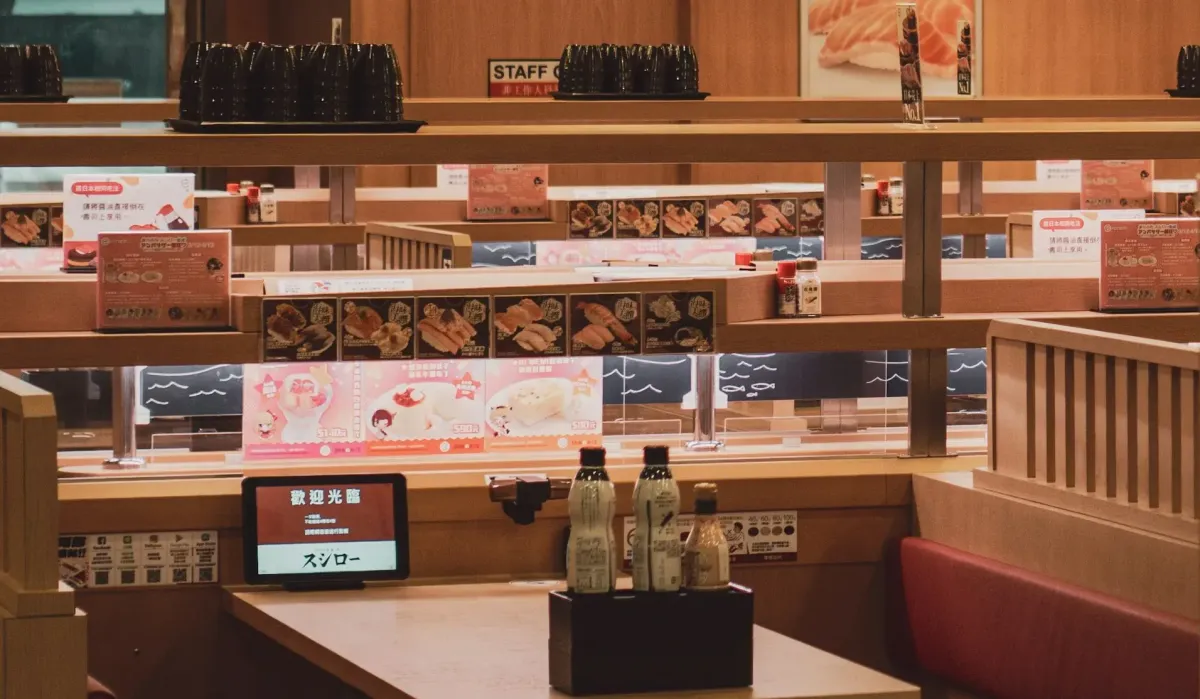
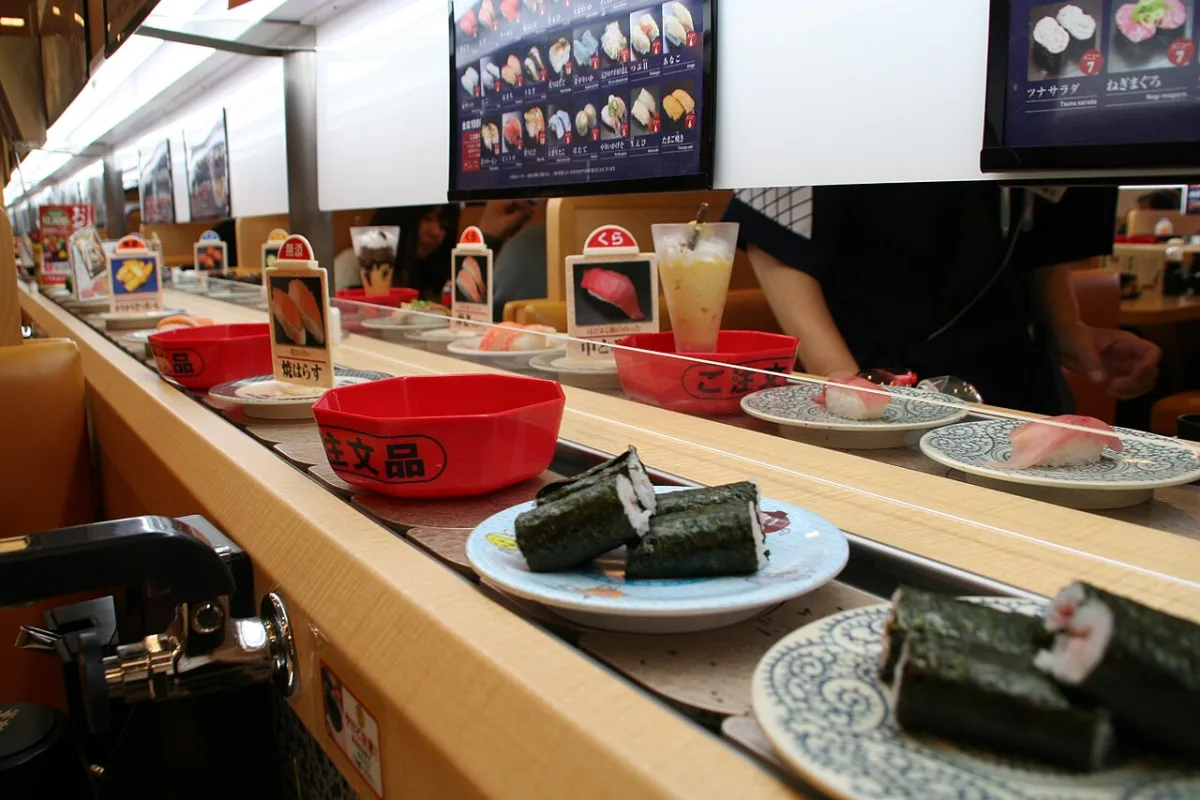
Looking specifically for conveyor belt sushi in Shibuya? See our dedicated 6 best conveyor belt sushi in Shibuya guide — it covers Sushiro, Uobei, Kura Sushi, and more from ¥110 a plate.
Quick picks by category
Tap a name to jump to its full review.
| Category | Restaurant | Budget | Best for |
|---|---|---|---|
| Affordable omakase | Sushi Tokyo Ten | ¥5,500 lunch / ¥9,900 dinner | First omakase, station-connected |
| Mid-premium omakase | Sushi Matsumoto Shibuya | ¥11,000–¥21,000 courses | Special-occasion Edomae |
| Mid-range counter | Shibuya Sushi Lab | ¥8,800–¥13,750 dinner | Aged-fish specialty, modern feel |
| Traditional sit-down | Umegaoka Sushi no Midori (Mark City) | ¥4,000–¥6,000 | Generous cuts, station-connected |
| Standing sushi | Uogashi Nihonichi Tachigui | ¥1,500–¥3,000 | Quick, cheap, fresh |
| High-end omakase | Sushi Gotoku | ~¥20,000 dinner | Quiet, refined splurge |
| Conveyor belt | See our dedicated guide → | ¥110–¥600/plate | Casual, family-friendly |
1. Sushi Tokyo Ten (Shibuya Stream) — Affordable omakase
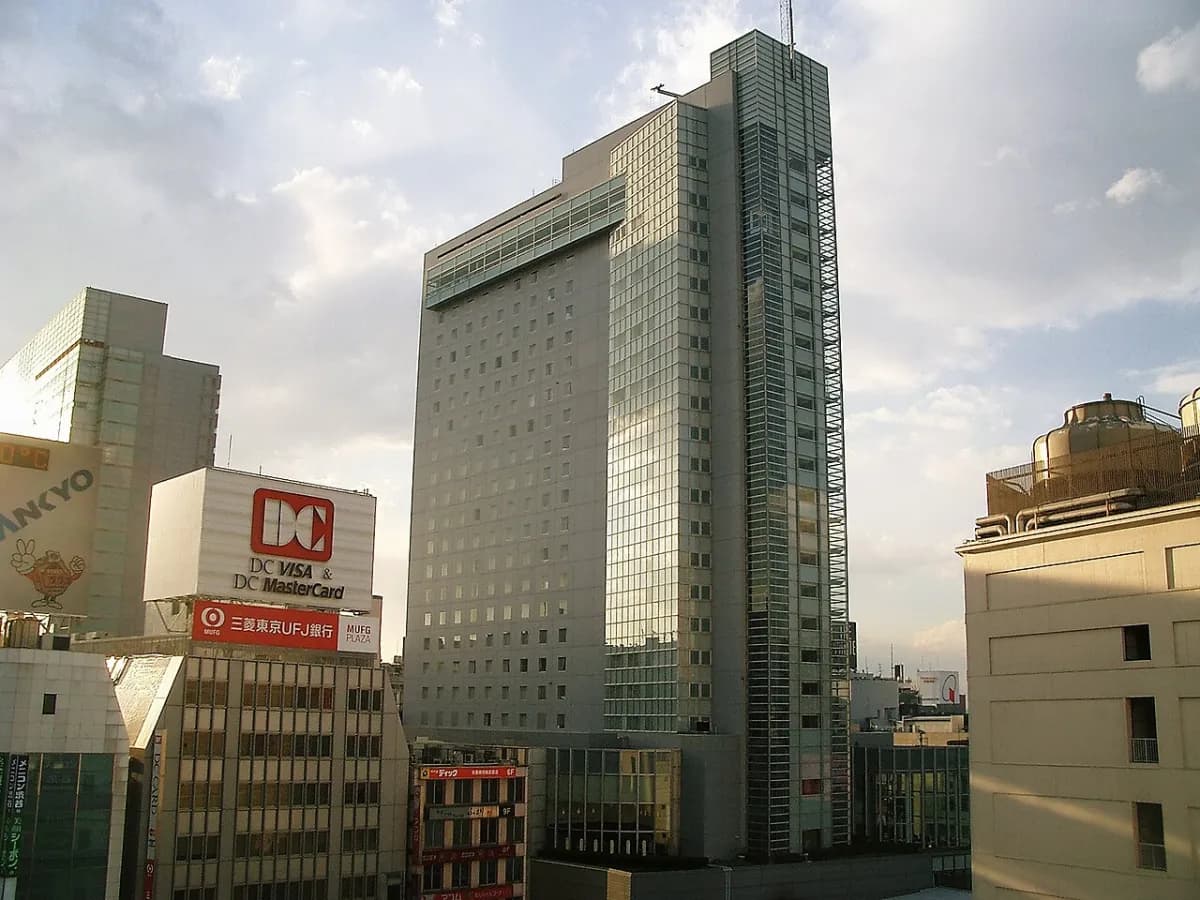
Sushi Tokyo Ten sits on the 3rd floor of Shibuya Stream, a modern complex directly connected to Shibuya Station. It is the easiest "real omakase" pick in Shibuya for first-time visitors — fully reservation-based, English-supportive, cashless, and priced at a level where you can actually try it without saving up.
The chefs run an Edomae-style omakase course at the counter using seasonal seafood that rotates throughout the year. The pace is unhurried but not stretched — most diners are in and out in 60–90 minutes.
What to order
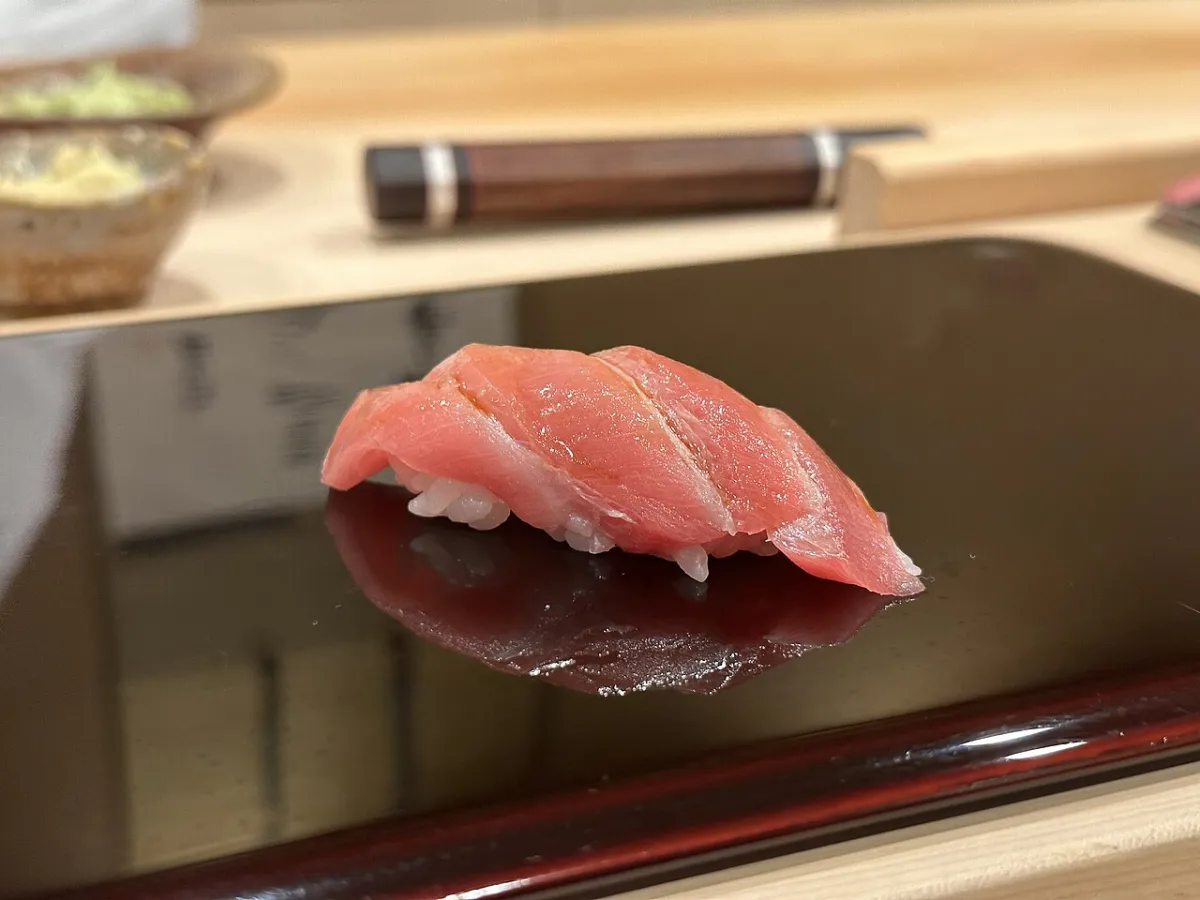
The weekday lunch omakase (¥5,500, web booking) is the standout deal — one of the best counter-omakase prices anywhere in Shibuya. Dinner steps up to ¥9,900 with a longer course of seasonal appetizers and nigiri. There is no à la carte menu; you commit to the course.
Practical info
- Location: Shibuya Stream 3F, 3-21-3 Shibuya, Shibuya-ku — directly connected to Shibuya Station
- Hours: Daily 11:00–15:00 (last order 14:00) and 17:00–23:00 (last order 21:30)
- Budget: ¥5,500 weekday lunch / ¥9,900 dinner (¥13,200 courses also available)
- Reservation: Required online — walk-ins not accepted
- English menu: Yes (counter staff handle English)
- Payment: Fully cashless since April 2025 — credit cards or mobile pay only, no cash accepted
- Dress code: Smart casual
- 📍 View on Google Maps
- 🌐 Tabelog page
Insider tip
Lunch fills up days ahead on weekends. If you want the ¥5,500 lunch, book at least a week in advance. The Shibuya Stream entrance is on the river-side of Shibuya Station — follow signs from the C2 Exit rather than going through the Hachiko side, and you will not need to cross the Crossing at all.
2. Sushi Matsumoto Shibuya — Michelin-trained Edomae
Sushi Matsumoto's Shibuya branch is a sister shop to Akasaka Sushi Matsumoto, which held a Michelin star in the 2019 and 2020 Tokyo Guide. The Shibuya outpost takes that same Edomae philosophy — vinegared rice, seasonal nigiri, careful aging — and packages it in a more relaxed, slightly more accessible setting on Dogenzaka.
This is the pick if you want a step up from a chain omakase but are not ready to spend ¥30,000+ at a Michelin-starred Ginza counter. It is also one of the few high-end sushi counters within a 3-minute walk of Shibuya Station, which matters if you are pairing dinner with Shibuya Sky or a night out.
What to order
The restaurant is omakase-only. The course covers appetizers, grilled and steamed dishes, soup, and a generous nigiri progression. Courses are listed at three tiers (¥11,000, ¥16,000 and ¥21,000); higher tiers include more premium tuna and seasonal specialties, so ask the staff at booking which course suits your appetite.
Practical info
- Address: Kusumoto Building 2 3F, 1-6-8 Dogenzaka, Shibuya-ku, Tokyo 150-0043
- Nearest station: Shibuya Station — South Exit, 3-minute walk
- Hours: Lunch 11:30–14:00; dinner Mon–Fri 17:00–23:00, Sat, Sun and holidays 16:00–23:00. Closures are irregular, so check before you go
- Budget: Courses ¥11,000 / ¥16,000 / ¥21,000; dinner reviews typically average ¥20,000+
- Reservation: Required. The official site says overseas guests cannot book directly and must reserve through their hotel front desk; a Japanese mobile number is required
- English menu: Limited — staff handle English at the counter; a translation app helps
- Dress code: Smart casual
- 📍 View on Google Maps
- 🌐 Tabelog page
Insider tip
If the Shibuya branch is fully booked, the Akasaka original is just one Ginza-line stop away on the Tokyo Metro. For a special occasion, the Akasaka shop is the heritage choice.
3. Shibuya Sushi Lab — Tsumoto-aged fish
Shibuya Sushi Lab is the modern-feeling counter on this list — head chef Ryuichi Tahara specializes in Tsumoto-style aging, a technique where fish is aged for several days under controlled conditions to deepen umami before being shaped into nigiri. The result is a more savory, almost cured profile compared with the bright freshness of standard Edomae.
The room is sleek and quiet, tucked into a side street despite being only about 10 minutes from Shibuya Station. It is a popular choice for date-night couples and small groups who want a polished omakase experience without Ginza prices.
What to order
Dinner courses run in two main tiers: a 21-piece omakase and a 25-piece premium omakase. Both include uni, premium tuna cuts, abalone, and Tsumoto-style aged fish. Dinner courses are listed at ¥8,800–¥13,750 depending on the tier, and a lunch course starts at ¥6,600.
Practical info
- Address: Seiko Building 1F, 1-6-4 Shibuya, Shibuya-ku, Tokyo 150-0002
- Nearest station: Shibuya Station — Miyamasuzaka Exit, ~10-minute walk
- Hours: Dinner 17:00–22:00; lunch (12:00–14:30) is listed on some booking sites. Closed Wednesdays.
- Budget: ¥8,800–¥13,750 dinner, ¥6,600 lunch
- Reservation: Required (online via TableCheck or byFood)
- English menu: Yes (English-speaking staff at the counter)
- Dress code: Smart casual
- 📍 View on Google Maps
- 🌐 Booking via TableCheck
Insider tip
If you have eaten Edomae before and want something that tastes different, this is the pick. The aging technique is unusual enough that it gives you a story to tell back home — and the chef happily explains his process if you ask.
4. Umegaoka Sushi no Midori (Shibuya Mark City) — The everyone pick
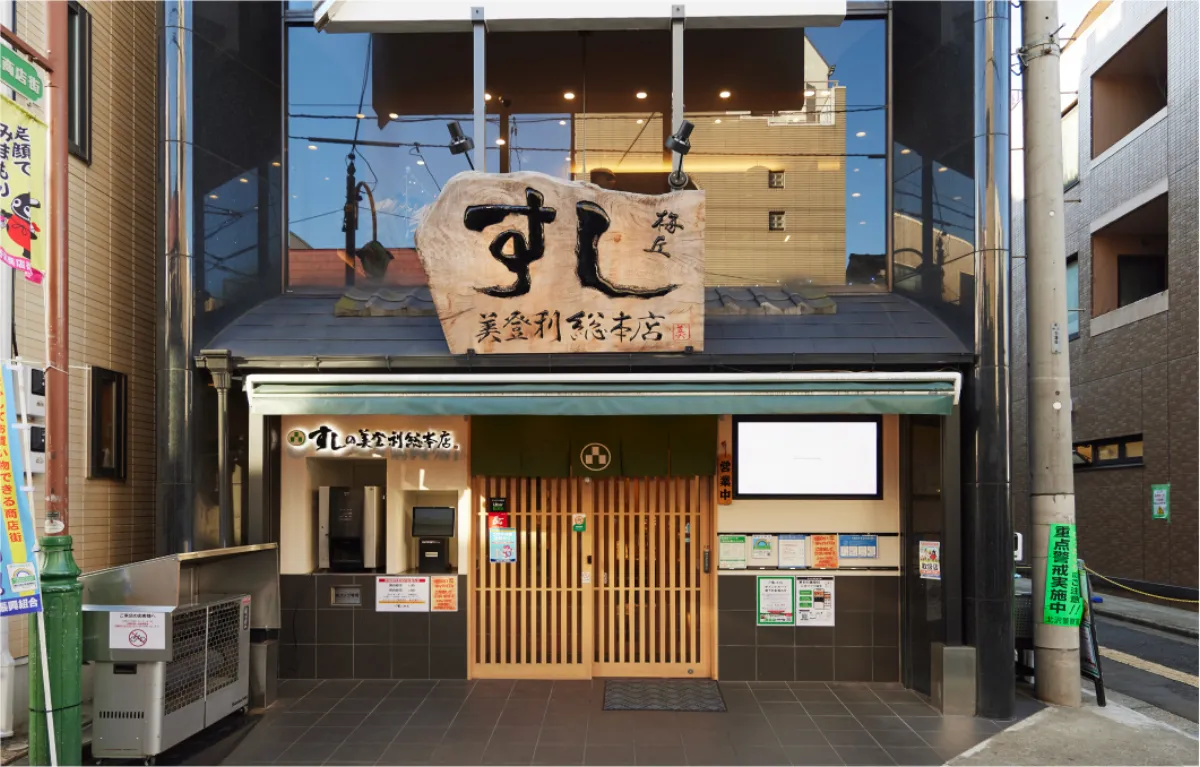
Umegaoka Sushi no Midori at Shibuya Mark City is a popular sit-down sushi restaurant in Shibuya — and for good reason. It serves traditional, generously cut nigiri at fair prices, and the Mark City building is connected directly to Shibuya Station, so there is no street walking. The trade-off is the queue ticket.
This is the same brand mentioned in our conveyor belt sushi guide, but Mark City is a full sit-down sushi-ya, not a kaiten — chefs hand-form your nigiri at the counter or deliver it to your table. The neta cuts are visibly thicker than at chain spots.
What to order
The official sets (¥1,980–3,630: regular nigiri ¥1,980, special ¥2,860, premium ¥3,630) are the standard recommendation. The original anago (a whole conger eel over the rice, ¥880) is a reliable repeat order. À la carte is also available.
Practical info
- Address: Shibuya Mark City East 4F, 1-12-3 Dogenzaka, Shibuya-ku, Tokyo
- Nearest station: Shibuya Station — Mark City connects directly to the station via the JR / Keio Inokashira line concourse
- Hours: 11:00–21:00 daily (last order 20:30), no afternoon break
- Budget: ¥4,000–¥6,000 per person
- Reservation: Queue ticket (machine from 10:00, or weekday LINE ticket) or a TableCheck pre-ordered set
- English menu: Not confirmed; booking page in English
- 📍 View on Google Maps
- 🌐 Official page
- 🌐 Tabelog page
Insider tip
The ticket machine at the entrance starts issuing numbers at 10:00, an hour before opening, and on weekdays you can also get a LINE ticket. Free changes to a TableCheck pre-order end 3 days before. Full details in our Sushi no Midori Shibuya guide.
5. Uogashi Nihonichi Tachigui — Standing sushi from ¥150
Standing sushi (tachigui) is one of Tokyo's best-value formats: you stand at a small counter, the chef makes each pair of nigiri to order in front of you, and you pay per pair. There are no chairs, no reservations, and turnover is fast — most people eat in 20–30 minutes.
Uogashi Nihonichi's Dogenzaka branch is the one to head for, a short walk from Shibuya Station. It serves a menu of fresh nigiri made one pair at a time.
What to order
Order pair by pair from the photo menu. Standards: chutoro, salmon, ikura, hotate (scallop), engawa, anago. A standard meal is around 8–12 pieces. Most pairs run ¥150–¥600 depending on neta, and a typical full meal lands at ¥1,500–¥3,000 per person.
Practical info
- Address: 2-9-1 Dogenzaka, Shibuya-ku, Tokyo (very close to the Dogenzaka slope)
- Nearest station: Shibuya Station — Hachiko Exit, ~3-minute walk
- Hours: Mon–Fri 11:00–23:00, Sat 11:00–22:00, Sun 11:00–21:30
- Reservation: None — walk-up only, no chairs
- English menu: Photo menu
- 📍 View on Google Maps
- 🌐 Tabelog page
Insider tip
This is the best low-budget non-conveyor option in Shibuya — chef-made nigiri at the price of a fast-food meal. Visit between 14:00 and 17:00 to avoid the lunch and dinner rushes. Counters are tiny (8 standing slots) so even "crowded" turns over in 10–15 minutes.
6. Sushi Gotoku (Oku-Shibuya) — High-end Edomae
If you want a proper splurge in Shibuya — the kind of dinner where the room is silent, the chef shapes each piece in front of you, and the meal lasts two hours — Sushi Gotoku is the answer. The shop has been operating in the quiet residential "Oku-Shibuya" area since 2007, and runs a single monthly omakase course built around two distinct rice styles (red-vinegar aka-shari and white-vinegar shiro-shari).
It is far enough from the station to feel separate from Shibuya's noise but close enough to walk from Yoyogi-Hachiman or back to Shibuya Station after your meal.
What to order
Omakase only, monthly-changing. Expect a course built around appetizers, sake pairings, and a long nigiri progression on both rice styles.
Practical info
- Address: 12-8 Kamiyamacho, Shibuya-ku, Tokyo
- Nearest station: Shibuya Station Exit 3a, ~10-minute walk along Tokyu Honten Dori toward Yoyogi-Hachiman
- Hours: Tue–Sun & holidays, 18:00–22:30 (last entry varies). Closed Mondays.
- Budget: Around ¥20,000 per person for omakase
- Reservation: Required — book via TableCheck or the official site
- English: The chef and staff handle English; the experience is centered on the food rather than chat
- Dress code: Smart casual to smart
- 📍 View on Google Maps
- 🌐 Tabelog page
Insider tip
Reserve at least 2–3 weeks ahead, especially for weekend evenings. Pair the dinner with a sunset visit to Shibuya Sky beforehand — the timing works almost perfectly if you book Sky at 17:00 and Gotoku at 19:00.
Choosing your sushi experience in Shibuya
Pick based on what matters most to you.
By budget
- Under ¥3,000: Uogashi Nihonichi Tachigui (standing sushi), or any conveyor belt option — Sushiro, Kura Sushi, Uobei from ¥110/plate
- ¥4,000–¥6,000: Umegaoka Sushi no Midori (sit-down) or Sushi Tokyo Ten lunch (omakase ¥5,500)
- ¥9,000–¥12,000: Sushi Tokyo Ten dinner or Shibuya Sushi Lab
- ¥11,000–¥30,000: Sushi Matsumoto Shibuya or Sushi Gotoku
By time available
- 30 minutes: Standing sushi at Uogashi Nihonichi or conveyor belt
- 60–90 minutes: Sushi Tokyo Ten, Shibuya Sushi Lab, or Sushi no Midori (excluding wait)
- 2+ hours, special occasion: Sushi Matsumoto or Sushi Gotoku
By experience level
- First sushi in Japan: Sushi no Midori (easy ordering, no commitment)
- First omakase ever: Sushi Tokyo Ten lunch at ¥5,500 — the lowest-risk way to try the format
- Already love sushi, want something different: Shibuya Sushi Lab (Tsumoto-aged fish)
- Special-occasion splurge: Sushi Matsumoto or Sushi Gotoku
By walk from Shibuya Station
- Station-connected: Sushi Tokyo Ten (Shibuya Stream), Sushi no Midori (Mark City)
- Under 5 minutes: Sushi Matsumoto, Uogashi Nihonichi
- About 10 minutes: Shibuya Sushi Lab, Sushi Gotoku
Sushi etiquette for first-time visitors
You do not need to be an expert. Japanese chefs are used to overseas visitors and almost no one will correct you if you do something wrong. But a few quick rules will make the meal smoother and less stressful, especially at omakase counters.
Eating with hands or chopsticks
Both are fine. Hands are actually traditional for nigiri — you can hold the piece, dip the fish (not the rice) lightly in soy sauce, and eat it in one bite. Chopsticks are equally accepted. Never split a single nigiri into two bites at a counter.
Soy sauce and wasabi
- Dip the fish side into soy sauce, not the rice. Rice-down soaks up too much and falls apart.
- The chef has already added the right amount of wasabi inside the nigiri. Do not stir wasabi into the soy sauce at counter shops — that is acceptable at conveyor-belt spots and casual chains, but considered crude at mid-range and high-end counters.
- If you want extra wasabi, ask the chef quietly: wasabi onegai shimasu.
Gari (pickled ginger)
Gari is a palate cleanser between pieces, not a topping. Eat it on its own to reset your taste before the next nigiri. Never put it on top of sushi.
Eating order at omakase
The chef has a deliberate sequence — from lighter, leaner fish to richer, fattier pieces. Eat each nigiri as soon as it is placed in front of you. Photos are usually fine, but be quick.
Tipping and paying
- No tipping in Japan, ever. It is genuinely confusing for staff.
- Counter shops typically settle the bill at a register near the entrance after your meal.
- Cards are widely accepted at mid-range and above. Standing sushi spots are sometimes cash-only — carry a few thousand yen.
Useful Japanese
- Omakase de (おまかせで) — "Chef's choice"
- Osusume wa? (おすすめは?) — "What do you recommend?"
- Wasabi nashi (わさび抜き) — "No wasabi"
- Oaiso onegai shimasu (お会計お願いします) — "Check, please"
- Gochisousama deshita (ごちそうさまでした) — "Thank you for the meal"
Other Shibuya food worth your time
If you have a few days in Shibuya, sushi is just one part of the picture. A few of our other in-area guides:
- 🍣 6 Best Conveyor Belt Sushi in Shibuya — Sushiro, Uobei, Kura Sushi, and the under-¥2,500 picks
- 🥩 Halal Wagyu Stall Shibuya — certified halal wagyu skewers and bowls on Center-gai
- 🍜 Tsukemen in Shibuya — honest guide on Shibuya's noodle scene plus the 13-minute trip to Fuunji
- 🍢 Hidden Izakaya in Shibuya — late-night small plates and sake away from the tourist drag
Going wider in Tokyo? Our 8 Best Conveyor Belt Sushi in Tokyo covers Shinjuku, Akihabara, and station-connected picks across the city.