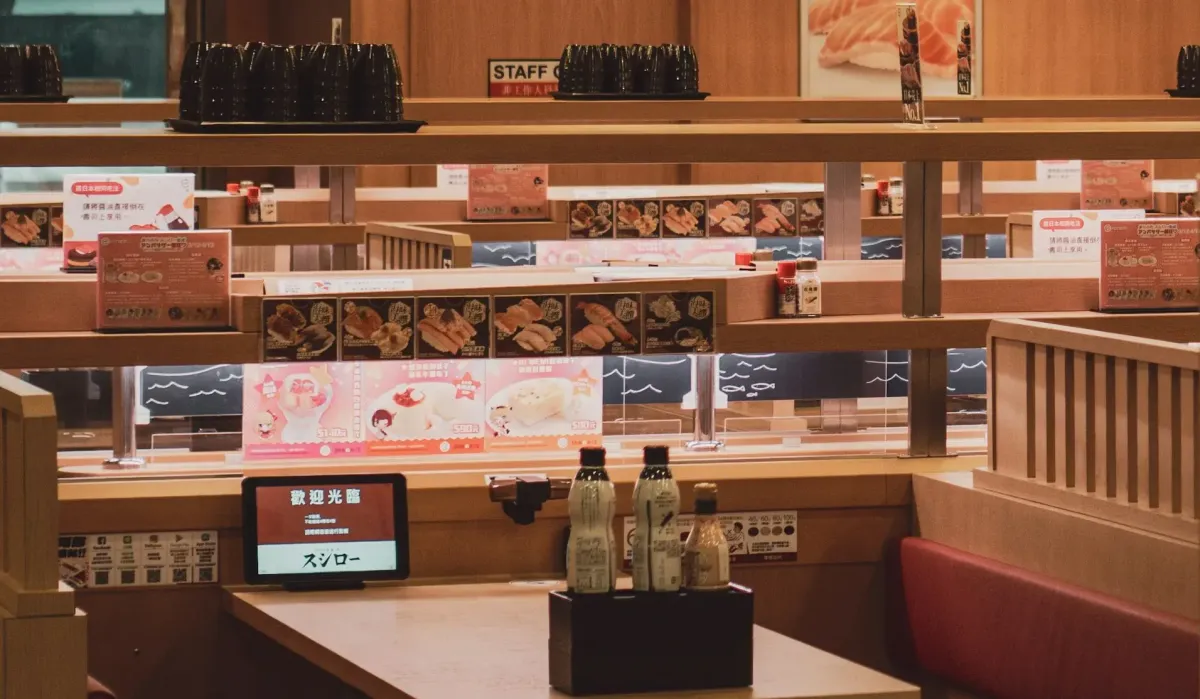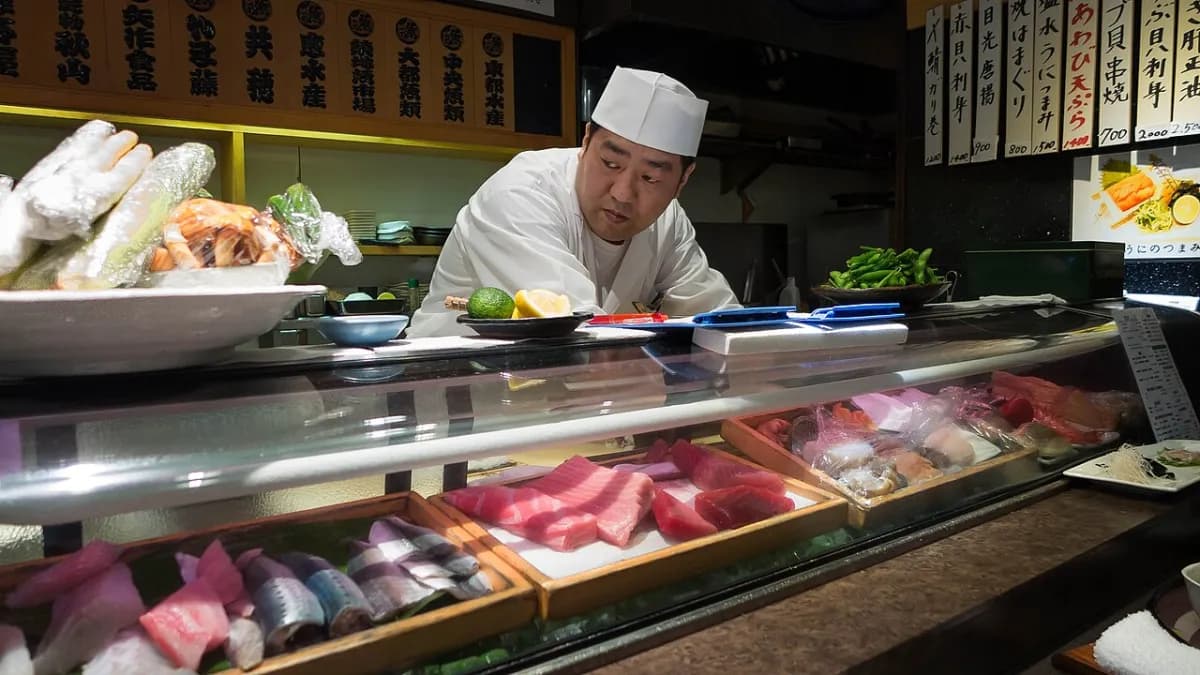
Halal sushi in Tokyo for Muslim travellers: Asakusa Sushi Ken (shop text claims food-only halal certification; alcohol served), FUJIYAMA TOKYO (Muslim-friendly), plus mirin and soy sauce.
Introduction
If you are a Muslim traveller landing in Tokyo with sushi on your wishlist, the honest answer is: yes, you can eat sushi here — but the list of places that are genuinely halal is short, and a lot of the SEO-friendly listicles online still cite restaurants that have closed.
This guide is built for the kind of trip where you actually walk into the shop. We only include places we could verify in 2026 from a primary source (the restaurant's own page, Tabelog, or Halal Gourmet Japan). We separate halal-certified spots from Muslim-friendly ones, explain what is actually in the rice (mirin, sake, vinegar) and on the tuna (soy sauce, wasabi), and tell you exactly what to say at the counter.
This is a sushi-focused companion to our wider Tokyo halal food guide. For other Japanese cuisines done halal, see our halal ramen Tokyo guide, halal wagyu Tokyo guide, and the dedicated Halal Wagyu Stall in Shibuya guide.
Quick picks: where to eat halal sushi in Tokyo
Two spots are genuinely worth your time in 2026. Tap a name to jump to the full review.
| # | Restaurant | Area | Status | Price/person | Best for |
|---|---|---|---|---|---|
| 1 | Asakusa Sushi Ken (浅草 すし賢) | Asakusa | Shop text claims halal certification (food only; the Japan Halal Foundation is named in a 2015 Halal Media Japan article; not re-confirmed on the shop's own site); alcohol is served | Lunch ¥2,000–¥3,000, dinner ¥4,000–¥8,000 | Edomae sushi counter, prayer room on 2F |
| 2 | FUJIYAMA TOKYO Shinjuku East | Shinjuku Sanchome | Muslim-friendly (no certification stated) | ¥7,900–¥19,900 (Muslim-friendly courses) | Muslim-friendly all-you-can-eat course |
A note on this list. Several blog posts still recommend Halal Cafe & Sushi Akasaka Saryo Ouka — that restaurant has been listed as permanently closed on Halal Gourmet Japan and Tabelog. We have left it off this guide on purpose. If you find another shop claiming to be halal sushi in Tokyo, verify it directly on Halal Gourmet Japan or Halal Navi before making the trip.
Is sushi halal? The honest answer
This is the question most Muslim travellers ask before they ever land in Narita, so let us answer it properly. The short version: the fish is halal by default; it is the rice and the seasonings that you have to watch.
The fish itself
Most Islamic schools regard fish and seafood as halal by nature — no slaughter ritual required. That covers tuna (maguro), salmon (sake), yellowtail (hamachi), shrimp (ebi), squid (ika), sea urchin (uni), and roe (ikura), which together cover almost any nigiri counter you will sit at in Tokyo. A small minority of Muslim travellers avoid shellfish or scaleless fish on personal grounds — if that is you, ask the chef before ordering.
The rice: mirin and sake are the real risk
This is where standard Japanese sushi runs into trouble:
- Rice vinegar (米酢, kome-zu) — fermented but the alcohol is fully evaporated during production. Considered halal by most certifying bodies in Japan.
- Mirin (みりん) — sweet rice wine. Hon-mirin contains around 14% alcohol. Standard sushi rice often includes a splash of mirin for sweetness. This is the single biggest reason a non-halal sushi shop is off-limits.
- Cooking sake (料理酒) — sometimes used in fish marinades and sauces. Same issue as mirin.
A halal-certified sushi shop replaces mirin and cooking sake with alcohol-free sweeteners and only uses verified rice vinegar. A non-certified shop almost certainly does not.
Soy sauce, wasabi, ginger
- Soy sauce (醤油, shoyu) — naturally brewed soy sauce contains a small amount of alcohol from fermentation (typically 1.5–2.5%). Halal-certified shops use alcohol-free soy sauce specifically produced for the Muslim market. Most chain conveyor-belt shops do not.
- Wasabi — pure wasabi root is halal. The green paste at cheap kaiten-sushi chains is often horseradish coloured with food dye and binders that can contain alcohol-based stabilisers. Ask about the wasabi even at a certified counter, and especially at a chain.
- Pickled ginger (gari) — pickled in vinegar and sugar. Generally fine, but again, only formally verified at certified shops.
So can I just walk into any sushi shop?
No — and that is the point of this guide. Even a clearly seafood-only menu may use mirin in the rice and naturally brewed soy sauce on the side. If you want to be confident, eat at one of the two verified spots below, or take the takeaway/home-cooked route covered later in this guide.
1. Asakusa Sushi Ken (浅草 すし賢) — Japan Halal Foundation certified food
Asakusa Sushi Ken is the best-known name in halal sushi in Tokyo, and the default recommendation for Muslim travellers who want a real Edomae sushi-counter experience. Its own text claims halal certification for the food (the Japan Halal Foundation is named in a 2015 Halal Media Japan article, but we could not re-confirm it on the shop's own site).
One caveat matters: the claim covers the food only, and the restaurant also serves alcohol, so it is not an alcohol-free venue. Ask staff when you book how the rice and soy sauce are prepared, and which dishes are covered. The chef speaks enough English to walk you through what you are eating.
What to order
The chef's courses (¥10,000 and ¥12,000 on the official menu) are the right way to eat here; the ¥3,500 item labelled omakase is a sashimi platter, not a nigiri course. You will get nigiri rotating with the season — expect tuna, salmon, yellowtail, shrimp, squid, and a tamago to finish. If you do not eat raw fish, ask for aburi (lightly torched) versions of the fattier cuts; the kitchen does this without a fuss. Halal miso soup is included with the sets.
Practical info
- Address: 2-11-4 Asakusa, Taito-ku, Tokyo 111-0032 (〒111-0032 東京都台東区浅草2-11-4)
- Nearest station: Asakusa Station — about 3 minutes' walk from Tsukuba Express Asakusa Station, 5–6 minutes from Tokyo Metro Ginza Line Asakusa Station
- Hours: Mon, Tue, Thu–Sat 12:00–15:00 (LO 14:30) and 17:00–22:00 (LO 21:00); Sun & holidays 12:00–15:00 and 17:00–21:30; closed Wednesdays and about two Tuesdays a month (check their Instagram)
- Budget: Lunch ¥2,000–¥3,000, dinner ¥4,000–¥8,000 per person
- Halal status: Shop text claims halal certification (food only; the Japan Halal Foundation is named in a 2015 Halal Media Japan article; not re-confirmed on the shop's own site); alcohol is served. The restaurant serves alcohol, so confirm with staff how your dishes are prepared.
- Prayer space: Yes — small prayer room on the 2nd floor (set up in cooperation with the local Okachimachi Mosque)
- English menu: Yes
- Reservations: Recommended, especially for dinner — book by phone (+81-3-5246-6547) or via the Tabelog page below
- Tabelog: tabelog.com/en/tokyo/A1311/A131102/13010528/
- Map: View on Google Maps
Insider tip
Most Muslim travellers come for lunch after visiting Senso-ji Temple — which means the 12:00 opening can fill up by 12:15 on weekends. Either book ahead or aim for a 13:30 second seating. The 2F prayer room means you can comfortably time zuhr between courses.
If you are coming from Shinjuku or Shibuya, allow 35–45 minutes by Tokyo Metro Ginza Line. Pair the visit with Honolu Premier halal ramen on a different day — both are within 5 minutes of Senso-ji and it would be too much to do them in the same meal.
2. FUJIYAMA TOKYO Shinjuku East — Muslim-friendly all-you-can-eat
FUJIYAMA TOKYO is the easiest halal sushi option for travellers based in Shinjuku. It is not presented as a certified shop — it is a Muslim-friendly venue that offers Muslim-friendly / HALAL courses alongside a normal menu. For travellers who want the all-you-can-eat sushi experience without the stricter price point of an Asakusa counter, this is the practical choice.
What we verified for 2026: Tabelog describes a Muslim-friendly policy and lists Muslim-friendly/HALAL courses on its party-menu page. No halal certification is stated anywhere we checked, and we could not confirm details such as the soy sauce, seasonings or kitchen utensils — that distinction matters, so ask staff about each of these when you book.
What to order
You must order the Muslim-friendly course at the time of booking — do not turn up expecting to order halal sushi à la carte. The Muslim-friendly / HALAL courses are all-you-can-eat and range from ¥7,900 to ¥19,900; check the party-menu page linked below for what each tier includes.
Practical info
- Address: 5-15-2 Shinjuku, Shinjuku-ku, Tokyo 160-0022
- Nearest station: Shinjuku-Sanchome Station (Tokyo Metro Marunouchi / Fukutoshin / Toei Shinjuku Lines), about 2 minutes' walk; Shinjuku Station East Exit, about 7 minutes
- Hours: Mon–Fri 17:00–23:00; Sat, Sun & holidays 11:00–15:00 (LO 14:30) and 17:00–23:00
- Budget: ¥7,900–¥19,900 per person on the Muslim-friendly / HALAL courses (the general all-you-can-eat menu starts lower, from ¥3,900 on a limited deal)
- Halal status: Muslim-friendly, with no halal certification stated. Confirm ingredients, seasonings and utensils with staff when booking.
- English support: Yes
- Reservations: Book in advance and specify the Muslim-friendly / HALAL course clearly
- Tabelog: tabelog.com/en/tokyo/A1304/A130401/13302324/
- Course menu: Tabelog party-menu page
- Map: View on Google Maps
Insider tip
If you are travelling with a mixed Muslim and non-Muslim group, FUJIYAMA actually solves a hard problem — your non-Muslim friends can order from the regular menu while you eat the Muslim-friendly course at the same table. Few certified counters allow that.
If a halal certificate matters more to you than convenience, take the Yamanote Line to Asakusa Sushi Ken instead (food-only halal claim, though alcohol is served there). The two restaurants serve different needs.
Halal sushi takeaway and home-cooked options
If you cannot get a reservation at either of the two restaurants above, or you want sushi-style food in your hotel room, you have a few options:
Sushi Ken halal bento (delivery)
Asakusa Sushi Ken has run a halal bento delivery service in central Tokyo since 2023, marketed especially for Muslim business travellers and tour groups. Availability and minimum-order rules change — confirm on their official line or via Halal Gourmet Japan.
Halal Japanese groceries for DIY sushi
If you have an Airbnb with a kitchen, the easiest halal sushi night is a hand-roll (temaki) party using halal-verified ingredients:
- Halal-friendly soy sauce is sold at Gyomu Super, Kaldi, and most Don Quijote stores — look for no-alcohol (アルコール無添加) varieties
- Halal nori (seaweed) and rice are widely available at any supermarket; both are halal by default
- Mirin substitute (alcohol-free) is sold by brands like Kanezaki and Marukan; check the back label for the kanji 醸造アルコール — its absence is what you want
- Halal-verified seafood is sold at the Shin-Okubo halal grocery cluster (Jannat Halal Food, Green Nasco) and at Hanamasa supermarkets in central Tokyo
Hand-roll sushi is forgiving — you do not need a chef, just rice, nori, fish, and soy sauce.
Convenience-store sushi: skip it
We get this question often. No major Japanese convenience-store sushi (7-Eleven, FamilyMart, Lawson) is halal. The rice typically contains mirin, the soy sauce packets are not alcohol-free, and the production lines are shared with non-halal foods. Read more in our halal food in Tokyo guide.
How to ask for halal sushi in Japanese
Even at non-halal sushi shops, these phrases help you order safely. Show them on your phone if speaking is awkward.
| English | Japanese | Romaji |
|---|---|---|
| I am Muslim. | 私はムスリムです。 | Watashi wa Musurimu desu. |
| Is this halal? | これはハラルですか? | Kore wa hararu desu ka? |
| Does the rice contain mirin or sake? | お米にみりんやお酒は使っていますか? | Okome ni mirin ya osake wa tsukatte imasu ka? |
| No alcohol, please. | アルコールは使わないでください。 | Arukōru wa tsukawanai de kudasai. |
| Do you have alcohol-free soy sauce? | アルコール不使用の醤油はありますか? | Arukōru fushiyō no shoyu wa arimasu ka? |
| No pork, please. | 豚肉は入れないでください。 | Butaniku wa irenai de kudasai. |
| Is the wasabi pure? (no additives) | わさびは本物ですか? | Wasabi wa honmono desu ka? |
A realistic warning: at a non-halal sushi shop in 2026, even with these phrases, the kitchen often cannot guarantee an alcohol-free preparation because the standard sushi rice has already been mixed with mirin in the morning. If you are strict about halal, do not negotiate at the counter — go to one of the two verified shops above.
Other halal options in Tokyo if sushi is not the right call
If neither Asakusa Sushi Ken nor FUJIYAMA TOKYO suits your trip, Tokyo's wider halal food scene now covers most major Japanese cuisines:
- Halal ramen — Ayam-Ya, Honolu Premier, Gyumon, and others. Our halal ramen Tokyo guide covers 3 verified shops.
- Halal wagyu yakiniku — Gyumon in Shibuya and Asakusa is the standout, with Shinjuku-tei serving halal wagyu ramen as a faster alternative. See our halal wagyu Tokyo guide.
- Street-food halal wagyu — The Halal Wagyu Stall in Shibuya is on Center-gai with prayer rooms upstairs, ¥1,500–¥2,500 a meal.
- Halal Japanese set meals — Halalisa Tokyo near Shin-Okubo for teishoku-style meals; covered in our halal food Tokyo guide.
- Shin-Okubo halal cluster — One stop from Shinjuku, the densest halal-restaurant neighbourhood in Tokyo with kebabs, biryani, and Turkish food.
A realistic Muslim-traveller week in Tokyo usually mixes one halal sushi visit (Asakusa Sushi Ken) with several halal ramen and wagyu meals — sushi is a treat, not the daily default.
Final thoughts
Halal sushi in Tokyo is real, but it is not a wide market — and that is precisely why we kept this guide short. The two restaurants above are the ones we could verify in 2026; everything else is either closed, unverifiable, or technically not halal even if a blog post says otherwise.
For most travellers, the right plan is to book Asakusa Sushi Ken at least 1–2 days in advance for a proper Edomae counter experience, and use FUJIYAMA TOKYO as your Shinjuku backup or for mixed-group meals. Combine those with our other halal guides and you can put together a Muslim-friendly food itinerary that does not feel like a compromise.