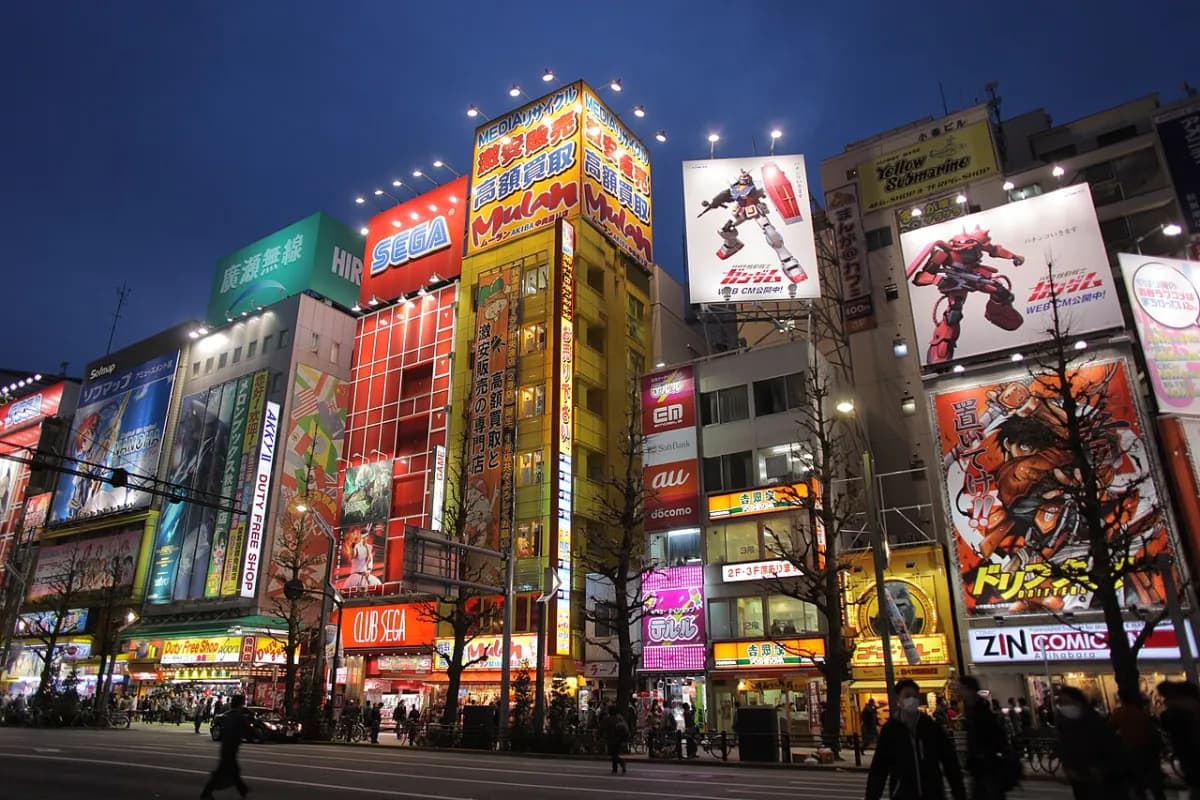
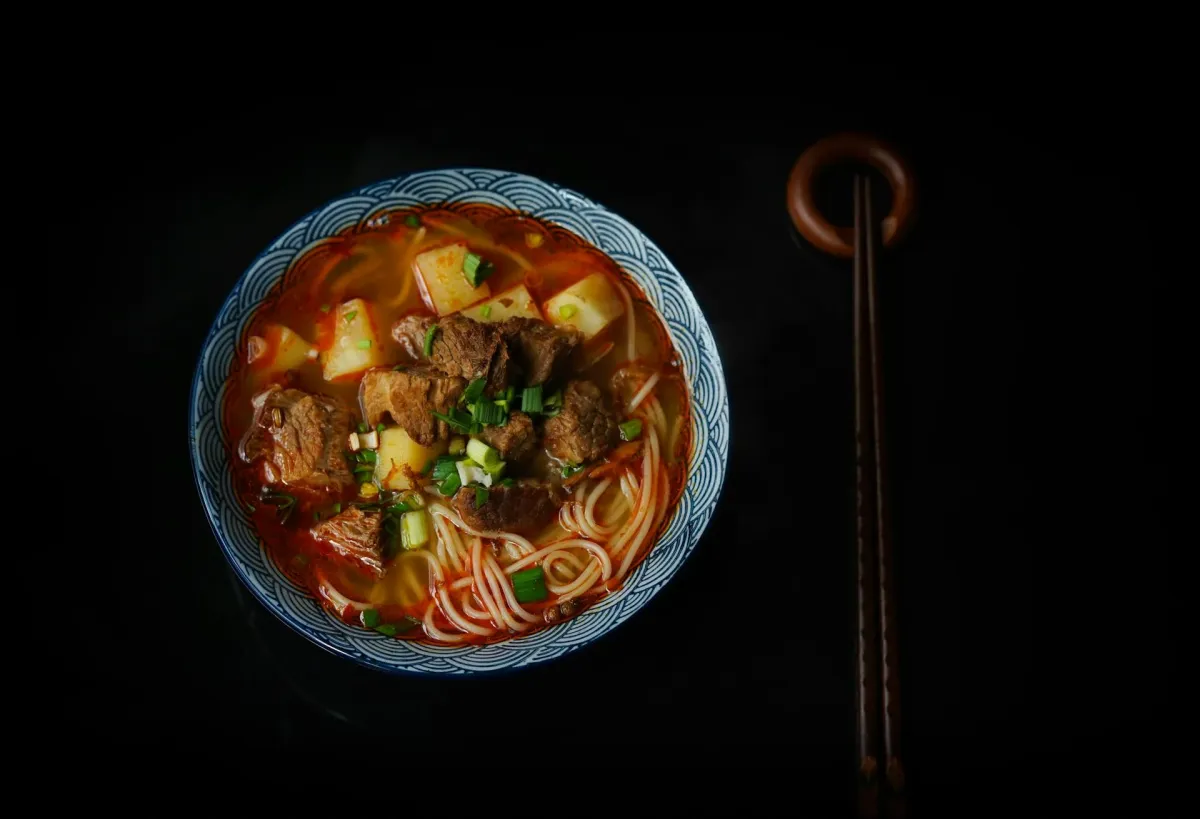
The best halal food in Tokyo, mapped by area (Shibuya, Asakusa, Shin-Okachimachi, Shin-Okubo) and cuisine (ramen, wagyu yakiniku, sushi, fusion). Certified or Muslim-friendly — with prayer rooms, English menus, and 2026 hours.
Introduction
Tokyo is no longer a city where halal travelers settle for plain rice or one kebab stand near the hotel. The city now has halal-certified ramen, wagyu yakiniku, sushi, and Japanese-Western fusion options — most within walking distance of major stations.
This guide is built as a matrix: pick by your area (Asakusa, Shibuya, Shin-Okachimachi, Shin-Okubo) or by cuisine (ramen, wagyu, sushi, fusion). Every restaurant below has been re-verified against primary sources for 2026 — closed shops and unverifiable listings have been removed. Tap any name in the table below to jump straight to that restaurant.
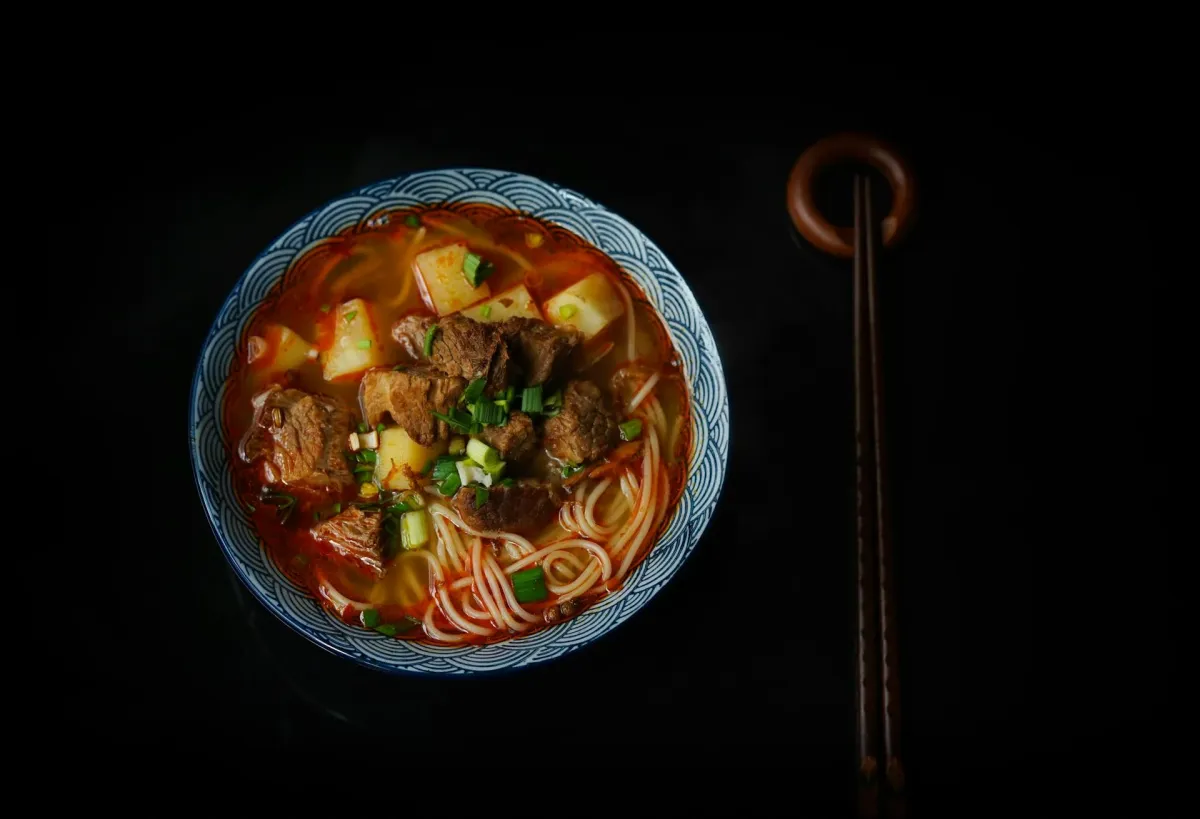
Halal food in Tokyo by area & cuisine (Quick picks)
Use this matrix to find a halal restaurant in Tokyo by either where you are or what you want to eat. Tap a restaurant name to jump to its full review.
| Area | Ramen | Wagyu / Yakiniku | Sushi | Other |
|---|---|---|---|---|
| Asakusa | Naritaya, Honolu Premier | — | Asakusa Sushi Ken | — |
| Shibuya | — | Gyumon | — | — |
| Shin-Okachimachi / Ueno | Ayam-Ya | — | — | — |
| Shin-Okubo | — | — | — | Shin-Okubo halal street |
| Ginza / Tokyo Station | — | See halal wagyu Tokyo guide | — | — |
Top 3 picks by cuisine
| # | Cuisine | Pick | Price/person |
|---|---|---|---|
| 1 | Halal ramen | Naritaya (Asakusa) | ¥900–¥1,500 |
| 2 | Halal wagyu / yakiniku | Gyumon (Shibuya) | ¥5,000–¥10,000 |
| 3 | Halal Japanese-Western fusion | Honolu Premier (Asakusa) | ¥1,000–¥2,000 |
1. Naritaya (成田屋) — The original halal ramen pioneer
Naritaya put halal ramen on the map in Tokyo. Located just a few minutes from Senso-ji Temple in Asakusa, this small shop has been serving Muslim travelers since 2013 and remains one of the most trusted names in the halal food scene.
What to order
Their signature halal tonkotsu ramen uses a chicken-based broth that mimics the creamy richness of traditional pork-bone ramen. We recommend the miso ramen -- the broth is deeply savory with a gentle sweetness, and the halal chicken chashu (sliced meat topping) is tender without being dry. Gyoza (dumplings) are also halal-certified and make a great side.
Practical info
- Location: 2-7-13 Asakusa, Taito-ku -- 3-minute walk from Asakusa Station (Ginza Line, Exit 1)
- Hours: 10:00-21:00 (check Google Maps for irregular closures)
- Budget: ¥900-¥1,500 per person
- Halal status: Halal-certified by the Japan Halal Association. All meat is halal. No alcohol used in cooking
- English menu: Yes
- Prayer space: Small prayer room available on request
- 📍 View on Google Maps
Insider tip
Go before 11:30 or after 14:00 to avoid the lunch rush. The shop only has about 15 seats, and the line can stretch down the block during peak hours, especially on weekends.
For more halal ramen options, see our guide to halal ramen in Tokyo.
2. Gyumon (牛門) — Halal wagyu yakiniku in Shibuya
If you came to Japan dreaming of wagyu beef but worried you would have to skip it, Gyumon solves that problem. This yakiniku (Japanese BBQ) restaurant in Shibuya serves certified halal wagyu that you grill yourself at your table.
What to order
Start with the wagyu karubi (short rib) -- beautifully marbled and buttery once you sear it for about 30 seconds per side. The premium wagyu set course (around ¥6,000-¥8,000) gives you a progression from lean cuts to heavily marbled pieces. They also serve halal chicken and lamb for lighter appetites.
Practical info
- Location: Shibuya -- 5-minute walk from Shibuya Station (Hachiko Exit)
- Hours: 17:00-23:00 (last order 22:00)
- Budget: ¥5,000-¥10,000 per person
- Halal status: Halal-certified. Dedicated halal meat supply chain. No pork on premises
- English menu: Yes, with photos
- Reservation: Recommended, especially Friday and Saturday evenings
- 📍 View on Google Maps
Insider tip
Ask for the tare (sweet soy-based sauce) rather than just salt -- it complements the fattier cuts beautifully. The staff are used to serving international guests and can explain the grilling technique if it is your first yakiniku experience.
For a deeper dive into halal wagyu options, check out our halal wagyu Tokyo guide.
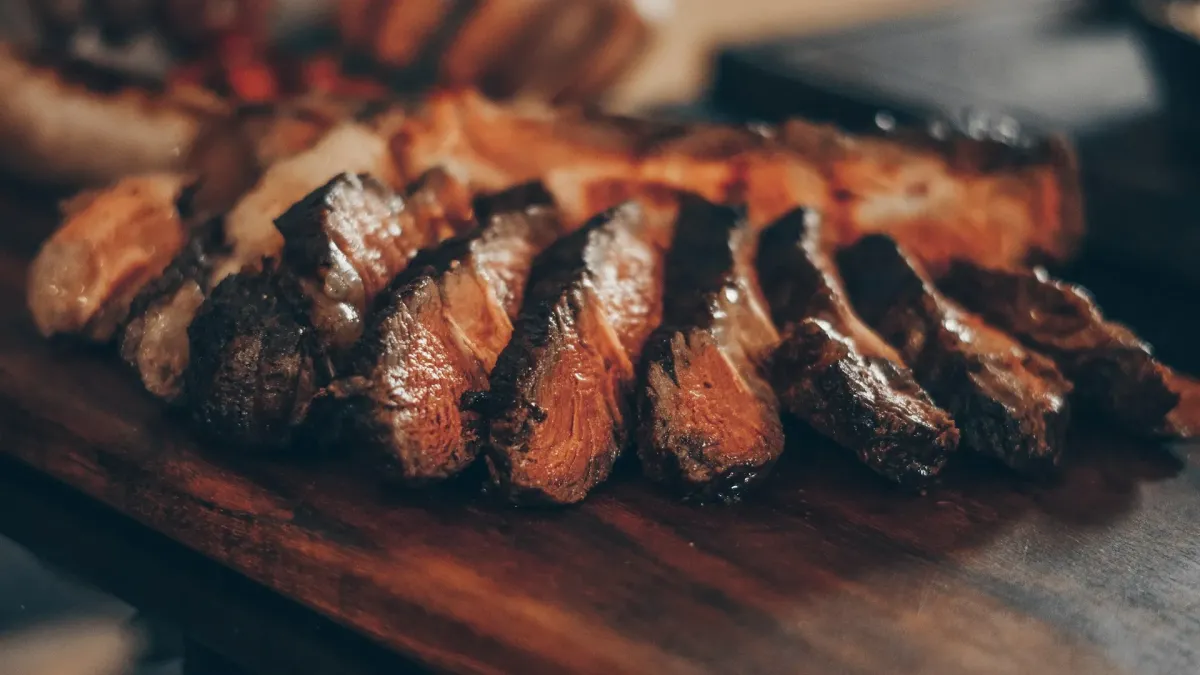
3. Ayam-Ya (アヤムヤ) — Halal chicken ramen with a cult following
Ayam-Ya has built a devoted following among Muslim travelers for its clean, deeply flavored chicken ramen. The Tokyo branch is in Shin-Okachimachi (the previous Okachimachi shop relocated here in February 2020).
What to order
The signature tori paitan (creamy chicken broth) ramen is rich without being heavy. The broth is simmered for hours until it turns opaque and silky. Add the seasoned egg topping -- it is halal and the yolk is perfectly jammy. For something lighter, the shio (salt-based) ramen has a cleaner, more delicate flavor.
Practical info
- Location: 3-10-3 Motoasakusa, Taito-ku -- 4-minute walk from Shin-Okachimachi Station (Toei Oedo Line / Tsukuba Express)
- Hours: 11:00-22:00 (check Google Maps for irregular closures)
- Budget: ¥900-¥1,400 per person
- Halal status: Halal-certified. All chicken is halal-sourced. No pork or alcohol in the kitchen. Dedicated prayer space on site
- English menu: Yes
Insider tip
Shin-Okachimachi is one stop from Akihabara on the Tsukuba Express, so you can easily fold a visit into a day exploring Akihabara or Ueno. There is also a sister branch in Kyoto (Karasuma) for travelers heading west.
4. Asakusa Sushi Ken (浅草 寿司賢) — Halal sushi experience
Sushi and halal might sound like an unlikely combination, but Asakusa Sushi Ken makes it work. This small sushi counter in Asakusa offers a halal-friendly sushi experience using seafood (which is naturally permissible) and rice prepared without mirin (rice wine).
What to order
The chef's choice omakase set (around ¥3,000-¥5,000) is the way to go. You will get 8-10 pieces of nigiri featuring seasonal fish -- expect tuna, salmon, shrimp, squid, and whatever looked best at the market that morning.
Practical info
- Location: Asakusa, Taito-ku -- 5-minute walk from Asakusa Station
- Hours: 11:30-14:00, 17:00-21:00 (closed Wednesdays)
- Budget: ¥3,000-¥6,000 per person
- Halal status: Muslim-friendly. No pork products. Soy sauce is halal (alcohol-free). Rice vinegar used instead of mirin. Confirm details when booking
- English menu: Limited; staff speak basic English
- Reservation: Required (call or book via Halal Gourmet Japan)
- 📍 View on Google Maps
Insider tip
Let the chef know your preferences before the meal starts. If you do not eat raw fish, they can prepare some pieces as aburi (lightly torched), which gives a smoky flavor and light sear.
For a deeper look at halal sushi in Tokyo — including whether sushi is halal by default, what to watch out for with mirin and soy sauce, and a verified Shinjuku alternative — see our halal sushi Tokyo guide.
5. Shin-Okubo — Tokyo's most Muslim-friendly neighborhood
You cannot talk about halal food in Tokyo without mentioning Shin-Okubo (新大久保). Just one stop from Shinjuku on the JR Yamanote Line, this vibrant neighborhood is home to Tokyo's largest concentration of halal restaurants, grocery stores, and international food shops.
What to expect
Walking down the main street, you will see signs in Arabic, Turkish, Bengali, and Urdu alongside Japanese and Korean. Halal meat shops, spice stores, and small eateries line both sides.
Where to eat in Shin-Okubo
- Nasrdin Uyghur Restaurant (ナスルディン) -- Handmade halal noodles and lamb skewers. The laghman (hand-pulled noodles in a spiced tomato sauce) is outstanding. Budget: ¥1,000-¥1,800.
- Istanbul (イスタンブール) -- Turkish kebabs, pide, and baklava. Reliable and filling. Budget: ¥1,200-¥2,000.
- Green Nasco (グリーンナスコ) -- Bangladeshi and Indian curries. The biryani is fragrant and portions are huge. Budget: ¥800-¥1,500.
- Halal food carts and stalls -- Several small stands sell kebab wraps, samosas, and grilled chicken for ¥500-¥800, perfect for a quick bite.
Practical info
- Access: JR Shin-Okubo Station (Yamanote Line) -- 1 minute from Shinjuku
- Best time to visit: Lunch on weekdays for fewer crowds. Evenings and weekends are lively but very busy
- Halal grocery shopping: Stores like Jannat Halal Food and Green Nasco sell halal-certified meats, spices, and snacks
Insider tip
Shin-Okubo is also the heart of Tokyo's Koreatown, so you will find Korean restaurants alongside halal spots. A few Korean-halal fusion spots have started popping up -- halal tteokbokki (spicy rice cakes) is a fun find if you spot it.
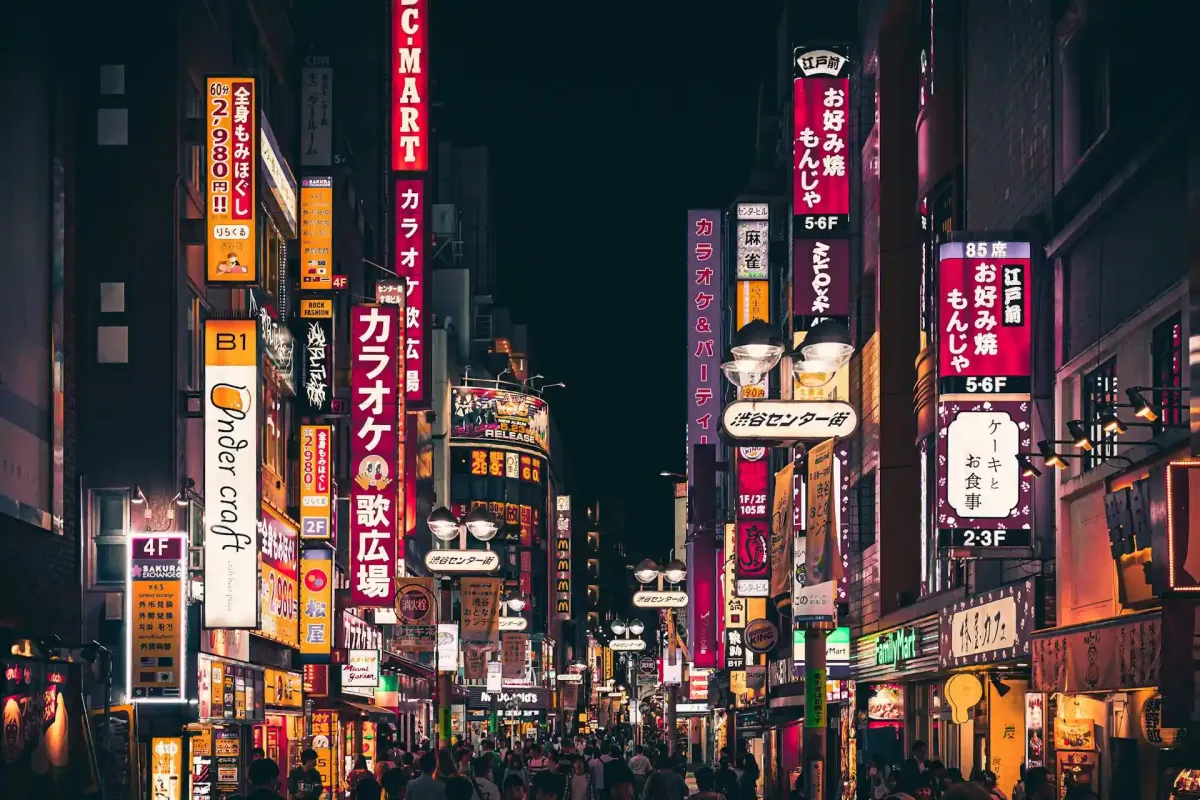
6. Honolu Premier Asakusa (帆のるぷれみあ浅草) — Halal Japanese-Western fusion ramen
Honolu is one of Tokyo's most established halal ramen brands, and the Asakusa branch (Honolu Premier Asakusa) is the most convenient location for travelers visiting Senso-ji. Beyond ramen, the menu also includes Japanese-Western fusion dishes — halal-friendly comfort food prepared without pork or alcohol.
What to order
The creamy chicken paitan ramen is the must-order — slow-simmered for hours until the broth turns opaque and silky, with halal chicken chashu and a soft-boiled egg on top. If you want heat, ask for the spicy chicken ramen.
Practical info
- Location: 3-16-1 Asakusa, Taito-ku -- about 1 minute from Senso-ji, 4 minutes from Tsukuba Express Asakusa Station, 13 minutes from Tokyo Metro Asakusa Station
- Hours: Check Google Maps for current hours (typically 11:00-15:00, 17:00-21:00)
- Budget: ¥1,000-¥2,000 per person
- Halal status: Halal-certified. No pork, no alcohol. Prayer room on the second floor
- English menu: Yes
Insider tip
This is the easiest halal ramen stop to combine with Senso-ji sightseeing. Honolu also operates branches in Ebisu and Shinjuku-Gyoenmae if you are based on the west side of the city.
How to choose the right halal restaurant for you
By budget:
- Under ¥1,500: Naritaya, Ayam-Ya, Green Nasco in Shin-Okubo
- ¥1,500-¥3,000: Honolu Premier, Sushi Ken lunch sets
- ¥3,000+: Gyumon wagyu, Sushi Ken omakase
By cuisine:
- Ramen: Naritaya, Ayam-Ya, or Honolu Premier. For more, see our halal ramen Tokyo guide
- Wagyu / Yakiniku: Gyumon. See our halal wagyu Tokyo guide
- Sushi: Asakusa Sushi Ken
- Japanese-Western fusion: Honolu Premier
- International halal: Shin-Okubo neighborhood
By location:
- Asakusa: Naritaya, Sushi Ken, Honolu Premier
- Shin-Okachimachi / Ueno: Ayam-Ya
- Shin-Okubo: dozens of international halal eateries
- Shibuya: Gyumon
- Ginza / Tokyo Station: see our halal wagyu Tokyo guide
Practical tips for eating halal in Tokyo
Understanding halal labels in Japan
Japan does not have a single unified halal certification body. Several organizations issue certificates, including the Japan Halal Association, the Japan Islamic Trust, and JAKIM-recognized bodies. When checking a restaurant:
- Halal-certified means the restaurant has been audited by a recognized body. This is the highest level of assurance.
- Muslim-friendly means the restaurant avoids pork and alcohol in cooking but may not have formal certification. Shared kitchens are possible.
- Self-declared halal means the owner states ingredients are halal, but no third-party audit has occurred. Common with Muslim-owned shops.
We recommend checking Halal Gourmet Japan or Halal Navi before visiting a new restaurant.
Convenience stores and halal options
Japan's convenience stores (konbini) like 7-Eleven, FamilyMart, and Lawson are everywhere, but most products are not halal-labeled. Some generally safe options:
- Onigiri (rice balls): Tuna, salmon, and umeboshi (pickled plum) varieties are generally safe -- check ingredients for mirin
- Fresh fruit, salads, and plain bread are typically fine
- Beverages: Tea, water, juice, and coffee are all permissible
- Avoid: Pre-made bento boxes (often contain pork-derived ingredients or mirin), fried foods (shared oil with pork products), and anything with gelatin
Prayer rooms near popular dining areas
- Asakusa: Asakusa Mosque (near Naritaya)
- Shinjuku / Shin-Okubo: Tokyo Camii and Turkish Culture Center (東京ジャーミイ) in nearby Yoyogi-Uehara -- Japan's largest mosque
- Tokyo Station: Prayer rooms inside the station (check Google Maps for "Tokyo Station prayer room")
- Shopping malls: DiverCity Tokyo Plaza (Odaiba) and Takashimaya Times Square (Shinjuku) have prayer rooms
If you are also interested in plant-based dining, our vegetarian ramen Tokyo guide covers options that are both vegetarian and halal-friendly.
FAQ
Does Tokyo have halal food? Yes — Tokyo has dozens of halal-certified and Muslim-friendly restaurants spanning ramen, wagyu, sushi, and Japanese-Western fusion. The biggest concentrations are in Shin-Okubo (one stop from Shinjuku) and Asakusa, but you will also find halal options in Shibuya, Shin-Okachimachi, and around Tokyo Station. The picks in this guide are organized by area and cuisine.
Has Japan banned halal food? No. There is no national ban — halal food is legal and widely available, especially in Tokyo, Osaka, and Kyoto. The misconception sometimes comes from the fact that Japan does not have a single government-backed halal certification body. Instead, several private organizations (Japan Halal Association, Japan Islamic Trust, JAKIM-recognized auditors) issue certifications. Always check whether a restaurant is halal-certified (third-party audited) or Muslim-friendly (avoids pork and alcohol but no formal audit).
Where is the best halal food in Shibuya? Gyumon (牛門) is the standout — certified halal wagyu yakiniku, 5 minutes from Shibuya Station Hachiko Exit. For lighter options, take the JR Yamanote Line to Shin-Okubo (about 7 minutes) where dozens of halal eateries cluster.
Where is the best halal food in Shinjuku? Shinjuku itself has limited dedicated halal options, but the neighboring Shin-Okubo district — one stop on the JR Yamanote Line — has the largest halal-restaurant density in Tokyo. For halal ramen, Ayam-Ya is a short ride away in Shin-Okachimachi (Toei Oedo Line, also reachable from Shinjuku).
Where is the best halal food in Asakusa? Naritaya (成田屋) is the most famous halal ramen shop in Tokyo, 3 minutes from Senso-ji Temple. For halal sushi, Asakusa Sushi Ken is a 5-minute walk away. For halal Japanese-Western fusion ramen, Honolu Premier Asakusa is about a minute from Senso-ji. A small mosque sits nearby for prayers.
Where is the best halal food in Ginza or near Tokyo Station? The Ginza/Tokyo Station area has fewer dedicated halal restaurants than Asakusa or Shin-Okubo, but a handful of halal-certified wagyu and yakiniku counters operate in Ginza — see our halal wagyu Tokyo guide for current picks. Tokyo Station also has multipurpose prayer rooms.
Is it hard to find halal food in Tokyo? It is much easier than it was five years ago, but it still requires some planning. Areas like Shin-Okubo and Asakusa have multiple halal options within walking distance. Outside those neighborhoods, we recommend using apps like Halal Gourmet Japan to search before heading out.
Do Japanese convenience stores have halal options? Not officially in most locations, but certain items are naturally permissible -- plain onigiri with seafood fillings, fresh fruit, and beverages. Some FamilyMart stores in tourist areas have started offering halal-labeled snacks. Always check ingredient lists, as mirin (rice wine) and pork-derived gelatin appear in many products.
Can I eat sushi if I follow a halal diet? Yes, seafood is halal by nature. The main concern with sushi is the rice seasoning -- traditional sushi rice uses rice vinegar (halal) but some restaurants also add mirin (contains alcohol). At halal-certified or Muslim-friendly sushi restaurants like Asakusa Sushi Ken, the rice is prepared without mirin and the soy sauce is alcohol-free.
What is the difference between halal-certified and Muslim-friendly in Japan? Halal-certified means a recognized certification body has audited the restaurant's ingredients, preparation methods, and supply chain. Muslim-friendly means the restaurant avoids pork and alcohol in cooking but may share kitchen equipment with non-halal items and has not undergone a formal audit.
Are there halal options near major tourist attractions? Yes. Asakusa (near Senso-ji) has Naritaya, Honolu Premier, and Sushi Ken. Shin-Okubo (one stop from Shinjuku) has dozens of international halal eateries. Shibuya has Gyumon for halal wagyu yakiniku.
Do I need to make reservations at halal restaurants in Tokyo? For casual spots like ramen shops (Naritaya, Ayam-Ya, Honolu Premier) and Shin-Okubo eateries, no reservation is needed -- just be prepared to wait during peak hours. For yakiniku (Gyumon) and sushi counters (Sushi Ken), we strongly recommend booking ahead, especially on weekends.
Where can I find a prayer room in Shinjuku, Shibuya, or Asakusa? The largest mosque in Japan is Tokyo Camii in Yoyogi-Uehara, two stops from Shinjuku on the Chiyoda Line. In Asakusa, the small Asakusa Mosque is a short walk from Naritaya. Shibuya itself has limited dedicated prayer space, but Hikarie Mall and several large hotels can usually offer a quiet room on request. Most major train stations now have multipurpose rooms — search Google Maps for prayer room plus the station name.
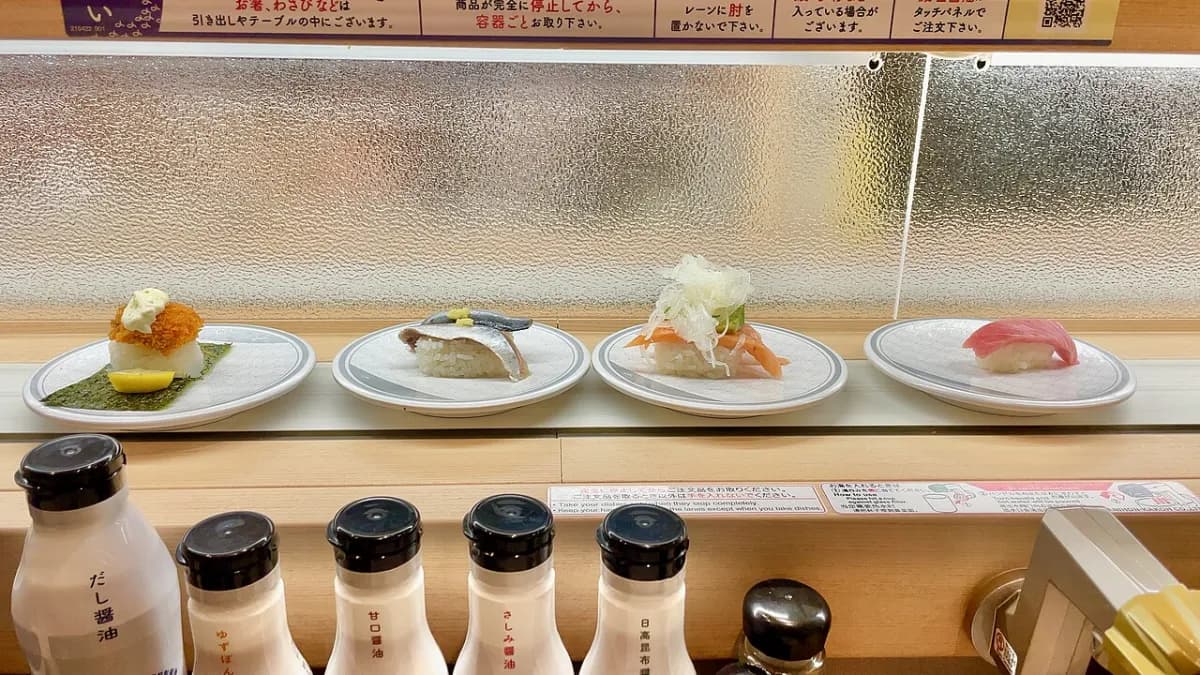
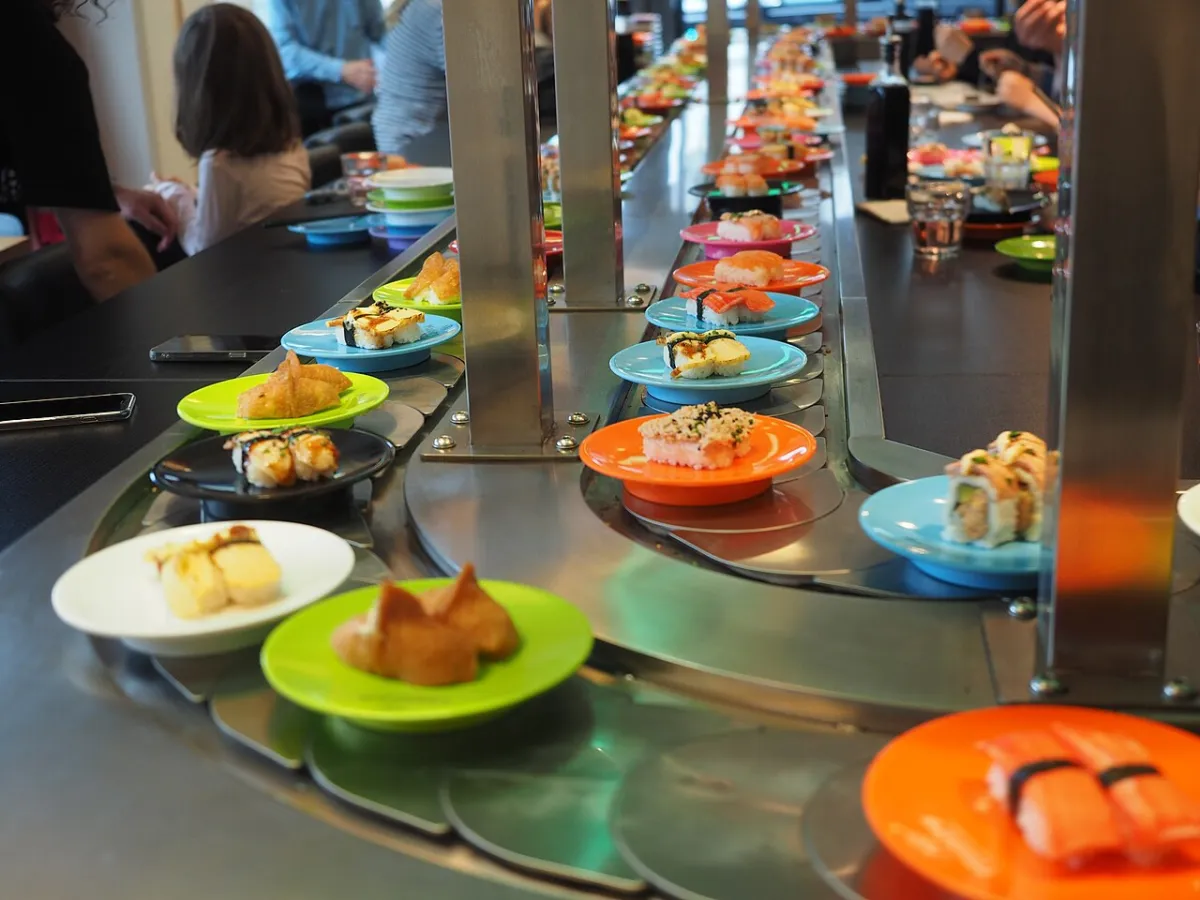
Are halal options available at conveyor belt sushi chains? No Tokyo kaiten-zushi chain is halal-certified, and most use mirin and non-halal proteins. Stick with the dedicated halal sushi spots in this guide, like Asakusa Sushi Ken. For more on the kaiten-zushi scene generally, see our conveyor belt sushi Tokyo guide.
Is alcohol used in Japanese cooking even at halal-friendly places? Traditional Japanese cooking relies heavily on mirin (sweet rice wine), sake, and rice vinegar. Mirin and sake contain alcohol; rice vinegar does not. Halal-certified restaurants substitute these with alcohol-free alternatives. Always ask explicitly when in doubt — the question does this contain mirin or sake? is well understood at restaurants serving Muslim guests.
Is mochi halal? Plain mochi (rice, water, sometimes sugar) is halal — it is just steamed glutinous rice. The catch is filling and coating: anko (red-bean paste) and kinako (soy flour) are halal, but mochi sold inside ice creams, daifuku, or convenience-store sweets may include gelatin, mirin, or pork-derived emulsifiers. Always check the ingredient label, or buy from a halal grocery in Shin-Okubo to be safe.
<!-- <script type="application/ld+json"> { "@context": "https://schema.org", "@type": "FAQPage", "mainEntity": [ { "@type": "Question", "name": "Is it hard to find halal food in Tokyo?", "acceptedAnswer": { "@type": "Answer", "text": "It is much easier than it was five years ago, but it still requires some planning. Areas like Shin-Okubo and Asakusa have multiple halal options within walking distance." } }, { "@type": "Question", "name": "Can I eat sushi if I follow a halal diet?", "acceptedAnswer": { "@type": "Answer", "text": "Yes, seafood is halal by nature. At halal-certified restaurants, the rice is prepared without mirin and the soy sauce is alcohol-free." } }, { "@type": "Question", "name": "Are there halal options near major tourist attractions?", "acceptedAnswer": { "@type": "Answer", "text": "Yes. Asakusa (near Senso-ji) has Naritaya, Honolu Premier, and Sushi Ken. Shin-Okubo (one stop from Shinjuku) has dozens of options. Shibuya has Gyumon for halal wagyu yakiniku." } } ] } </script> -->Plan your visit
Tokyo's halal dining scene is growing every year, and eating well as a Muslim traveler here no longer means compromise. From world-class wagyu to steaming bowls of ramen, some of Japan's most iconic dishes are now within reach.