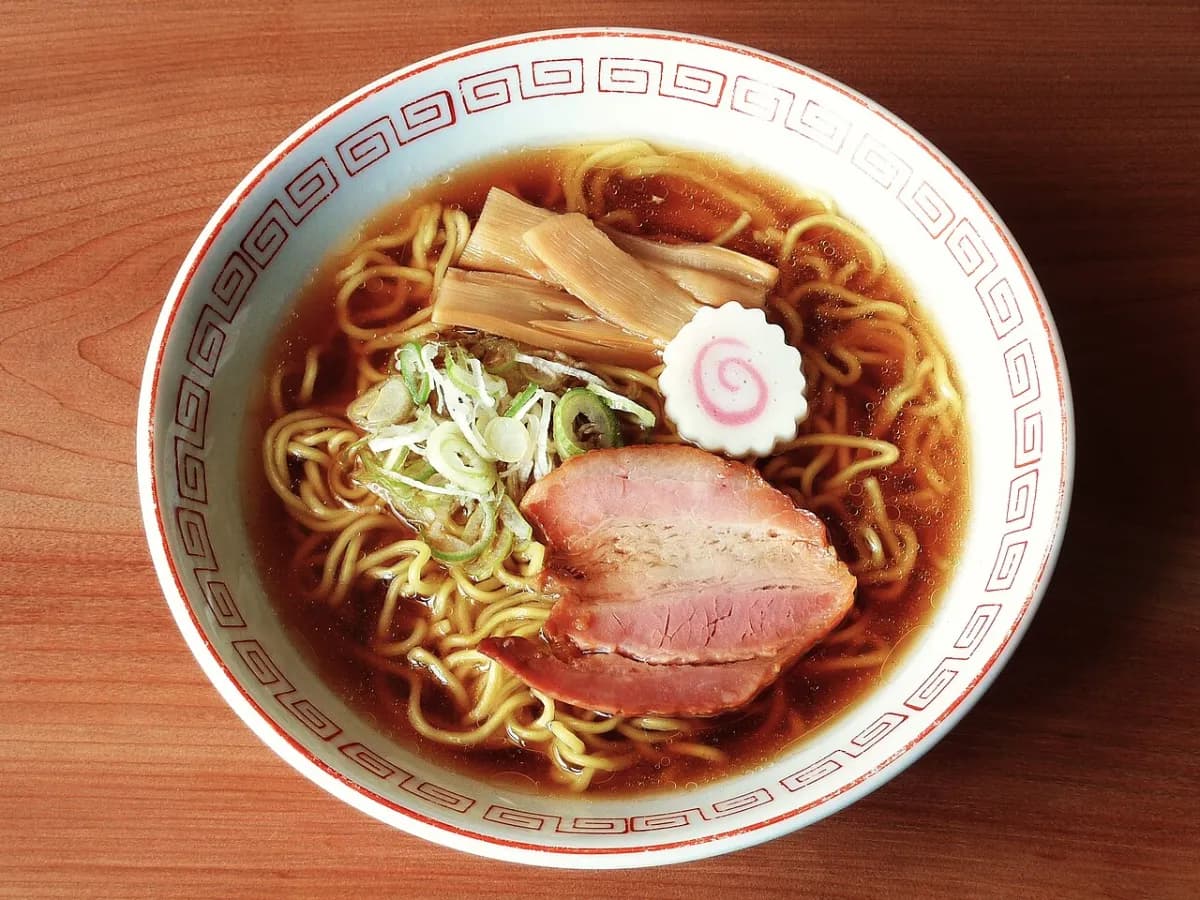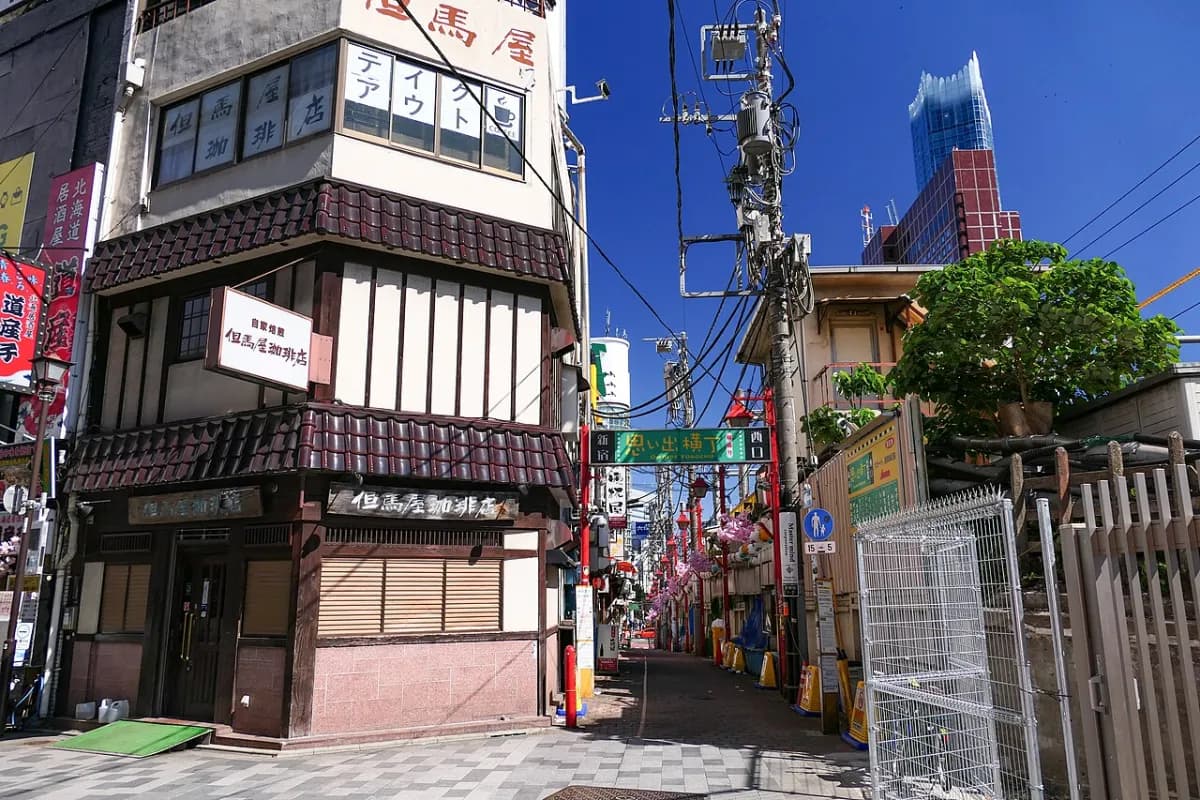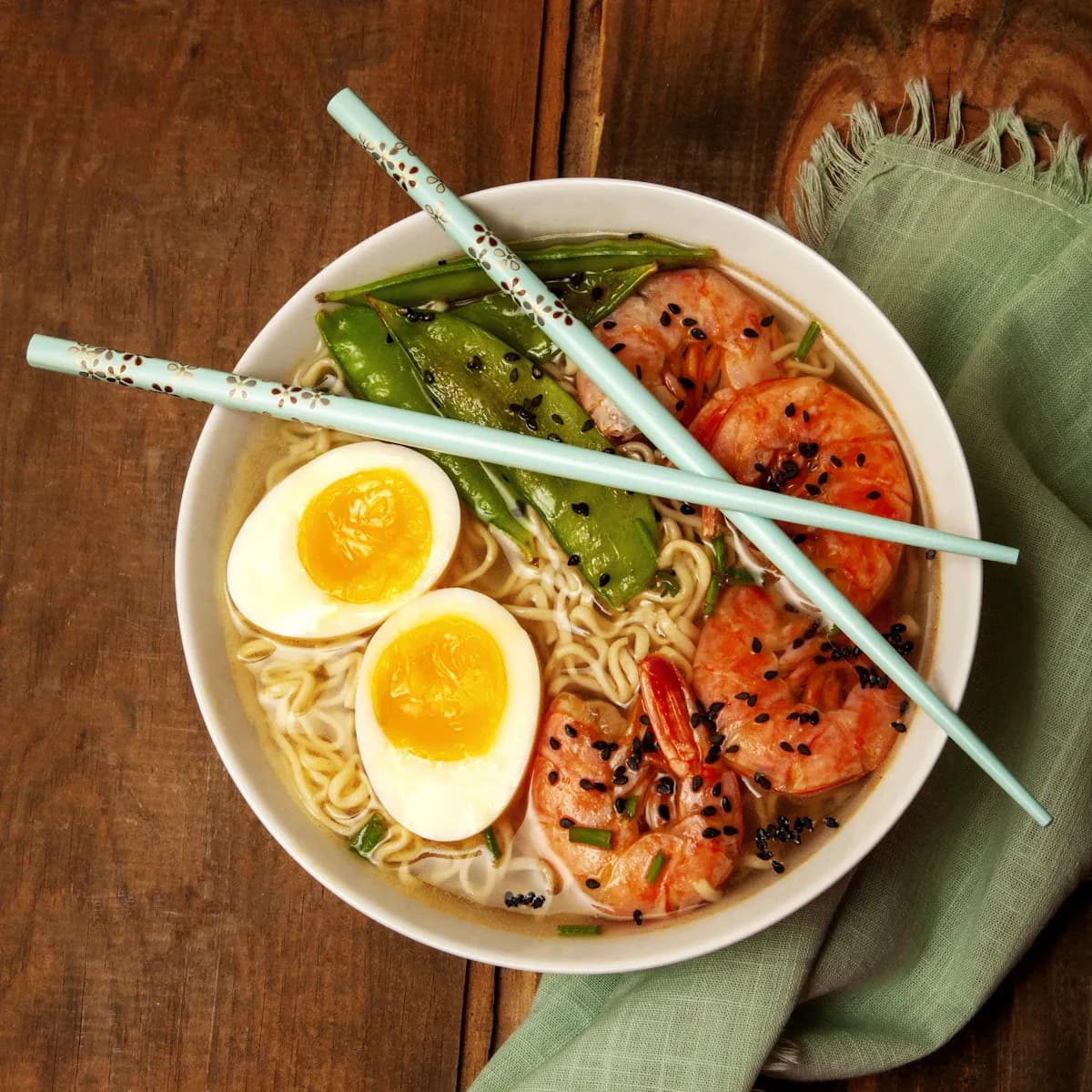
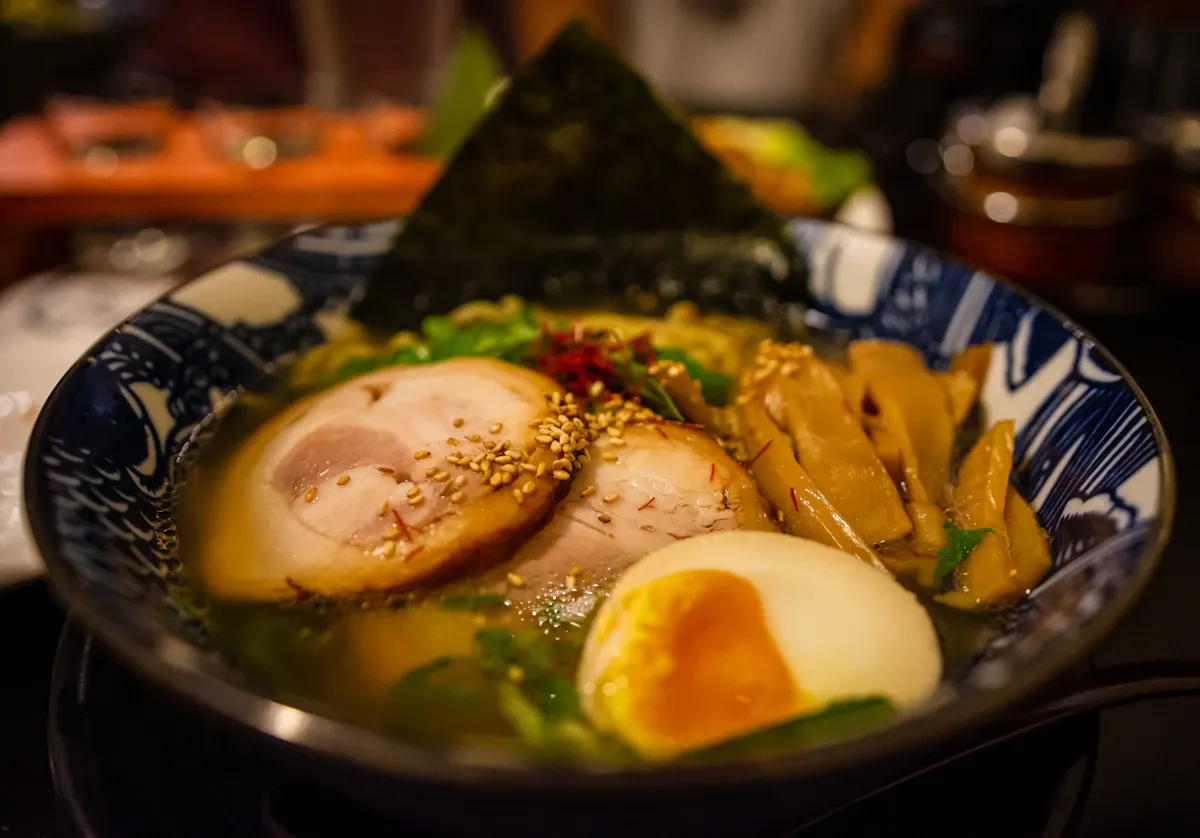
Tokyo Ramen Street is in the basement of Tokyo Station (Yaesu side): Rokurinsha tsukemen, veggie Soranoiro, plus niboshi, shio and miso. Hours and tips.
Introduction
Tokyo Ramen Street (東京ラーメンストリート) is a curated corridor of ten ramen shops (one of them a limited-time pop-up) on B1F of Tokyo Station First Avenue, Yaesu (east) side — accessible in under 5 minutes from any Shinkansen or JR platform without leaving the station. Whether you have 45 minutes between transfers or a leisurely afternoon, this is the smartest concentration of world-class ramen in Tokyo.
Tap any shop name in the table below to jump straight to its full review.
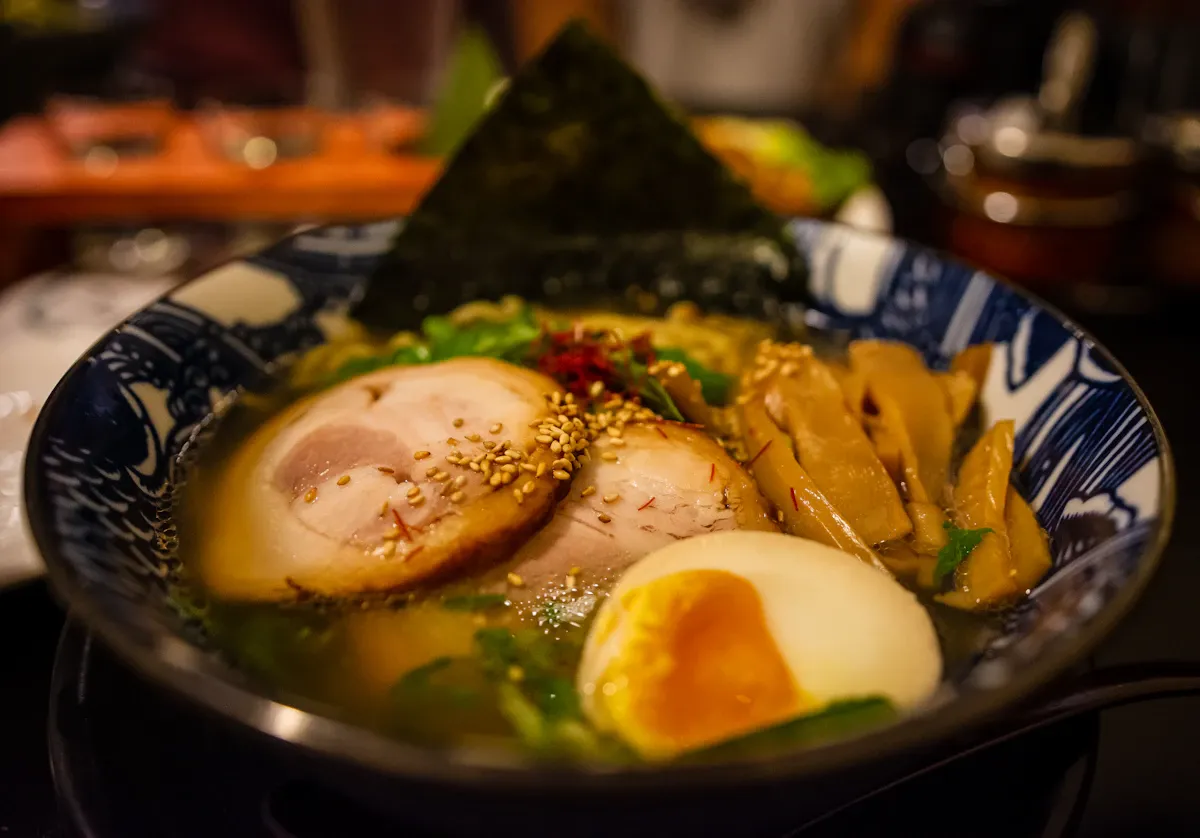
Quick picks: six shops reviewed in detail
| # | Shop | Style | Price | Best for |
|---|---|---|---|---|
| 1 | Rokurinsha (六厘舎) | Tsukemen | about ¥1,000–¥1,300 (check the ticket machine) | The signature Tokyo Station bowl; opens 7:30am |
| 2 | Soranoiro NIPPON (そらのいろ NIPPON) | Shoyu / mushroom veggie soba | ~¥1,050–¥1,450 | Vegetarian-friendly; ask about vegan and gluten-free items |
| 3 | Ikaruga (東京駅 斑鳩) | Double-soup | ¥950–¥1,200 | Rich-but-balanced tonkotsu × fish |
| 4 | Tokyo Niboshi Ramen Tama (東京煮干し らーめん玉) | Chicken-and-niboshi broth | from about ¥1,000; tokusei about ¥1,380 (check the ticket machine) | Thick niboshi bowl; opens 8:30 |
| 5 | Shio Ramen Hirugao (塩らーめん専門 ひるがお) | Shio (salt) | ¥1,000–¥1,150 | Clear, light bowl from an original 2009 tenant |
| 6 | Miso Menjo Hanamichian (味噌麺処 花道庵) | Miso | tokusei kara-miso ¥1,490 (check the ticket machine) | The street's miso ramen; opens 8:00 |
The street has ten shops in total, and six are profiled here — see the current lineup below for the full list.
What is Tokyo Ramen Street?
Tokyo Ramen Street opened in 2009 as part of Tokyo Station First Avenue, a large underground shopping and dining complex on the Yaesu (east) side of the station. The concept is simple: gather the best ramen shops from across Japan and give each one a permanent location inside one of the busiest transit hubs in the world.
The street currently has ten shops (nine regular tenants plus a pop-up running until 23 November 2026), each carefully selected to represent a different style — from rich tsukemen to light shio, creamy tonkotsu to innovative vegetable-based bowls. The lineup changes occasionally as new shops rotate in, but the overall quality stays consistently high.
Key facts at a glance
| Detail | Info |
|---|---|
| Location | Tokyo Station First Avenue, B1F, Yaesu side |
| Number of shops | 10 (October 2026, including one pop-up) |
| Overall hours | Roughly 7:30–23:00 (varies by shop) |
| Average price | ¥900–¥1,500 per bowl |
| English menus | Available at most shops |
| Payment | Cash or transit IC card at the ticket machines |
How to get to Tokyo Ramen Street
Finding Ramen Street is straightforward once you know which side of the station to aim for. Tokyo Station is enormous, so heading in the wrong direction can cost you 10 minutes of walking.
From inside Tokyo Station
- Head toward the Yaesu side (八重洲口) — this is the east side of the station, opposite the Marunouchi (west) side.
- Follow signs for Tokyo Station First Avenue (東京駅一番街) or Ramen Street (ラーメンストリート).
- Take the escalator or stairs down to B1F.
- Ramen Street runs along a single corridor — you will see all ten shops as you walk through.
From the Yaesu exits
If you are arriving from outside the station, use the Yaesu Central Exit (八重洲中央口) or the Yaesu South Exit (八重洲南口). Once through the exit, look for the underground entrance to First Avenue directly ahead. Descend to B1F and follow the signs.
By subway
If you are coming via Tokyo Metro Marunouchi Line, you will arrive on the Marunouchi side. Cross through the station concourse toward Yaesu (follow signs for 八重洲), then descend to B1F.
Tip: Google Maps and Apple Maps both recognize "Tokyo Ramen Street" as a location — searching for it will get you to the right entrance.
1. Rokurinsha (六厘舎) — The tsukemen king
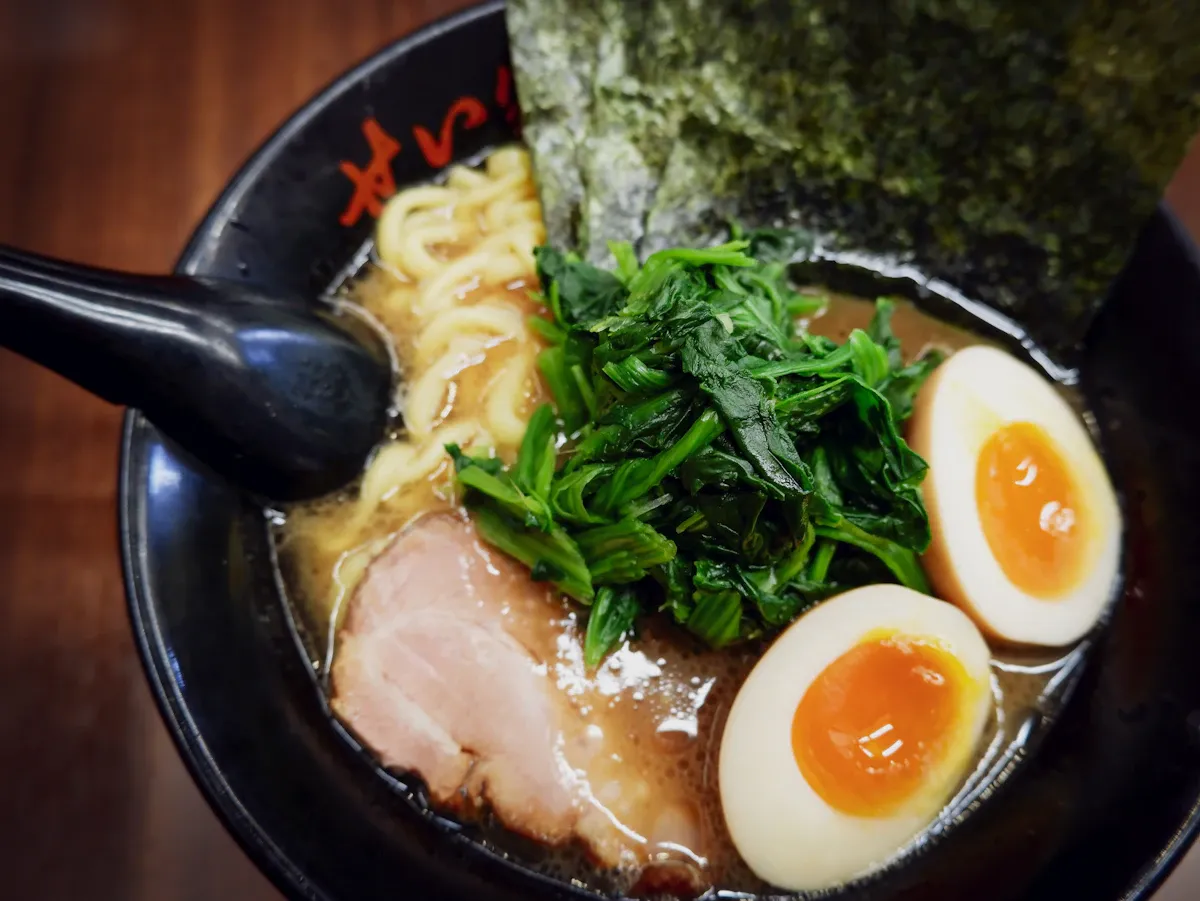
Rokurinsha is the anchor tenant of Ramen Street and arguably the most famous shop here. If you have time for only one bowl, this is where most regulars would point you.
The shop specializes in tsukemen (dipping noodles): thick, chewy noodles served separately from a concentrated pork-and-seafood dipping broth made from dried baby sardines (niboshi), smoked mackerel, and bonito flakes. A paper apron is provided at the door because the broth is rich enough to splash.
What to order
- Tsukemen (about ¥1,000–¥1,300; check the ticket machine): The signature dish. Thick domestic wheat noodles with the house dipping broth. Ask for supuwari at the end — dashi is added to your remaining broth so you can drink it as soup.
- Tokusei Tsukemen: Adds chashu, egg, and nori.
Practical info
- Wait time: 20–60 minutes at peak lunch hours. The morning session (7:30–9:45, last order 9:30) has shorter lines.
- English menu: Yes
- Price range: about ¥1,000–¥1,300 (check the ticket machine)
If you love what you taste here, we have a full guide covering the best tsukemen shops across Tokyo, including Rokurinsha's rivals.
2. Soranoiro NIPPON (そらのいろ NIPPON) — The vegetarian-friendly option
Soranoiro NIPPON is the shop that breaks the mold. While most stores on Ramen Street build their bowls on animal-based broths, Soranoiro offers a vegetable-based ramen (ベジソバ) alongside its regular menu, and the shop lists vegan and gluten-free items too. This makes it the go-to choice for vegetarians and anyone looking for a lighter bowl. (The name was written ソラノイロ in older guides; the Tokyo Station shop is now そらのいろ NIPPON.)
What to order
- Veggie Soba (~¥1,050–¥1,450 depending on date and toppings): The official site describes a soy-milk and mushroom broth with whole-wheat noodles. It is not labeled vegan, so ask staff to confirm before you order if you avoid animal products.
- Vegan menu items: The shop also lists separate vegan items, such as a vegan tantanmen. Ask staff which bowls are fully vegan.
- Shoyu ramen: For non-vegetarians, the shop's main shoyu ramen is made with a large Japanese free-range chicken, according to the Tokyo Station First Avenue site. Check the ticket machine for the current price.
- Gluten-free: Gluten-free menu items are listed by the shop; ask staff what is available.
Practical info
- Hours: 9:00–23:00 (last order 22:30)
- Wait time: Usually 10–30 minutes — shorter than Rokurinsha.
- English menu: Yes
- Price range: about ¥1,050–¥1,450
- Official page: Tokyo Station First Avenue — Soranoiro NIPPON
Soranoiro is one of the few ramen shops in Tokyo that genuinely caters to plant-based diets. For more options across the city, check our vegetarian ramen guide for Tokyo.
3. Ikaruga (東京駅 斑鳩) — Rich double-soup style
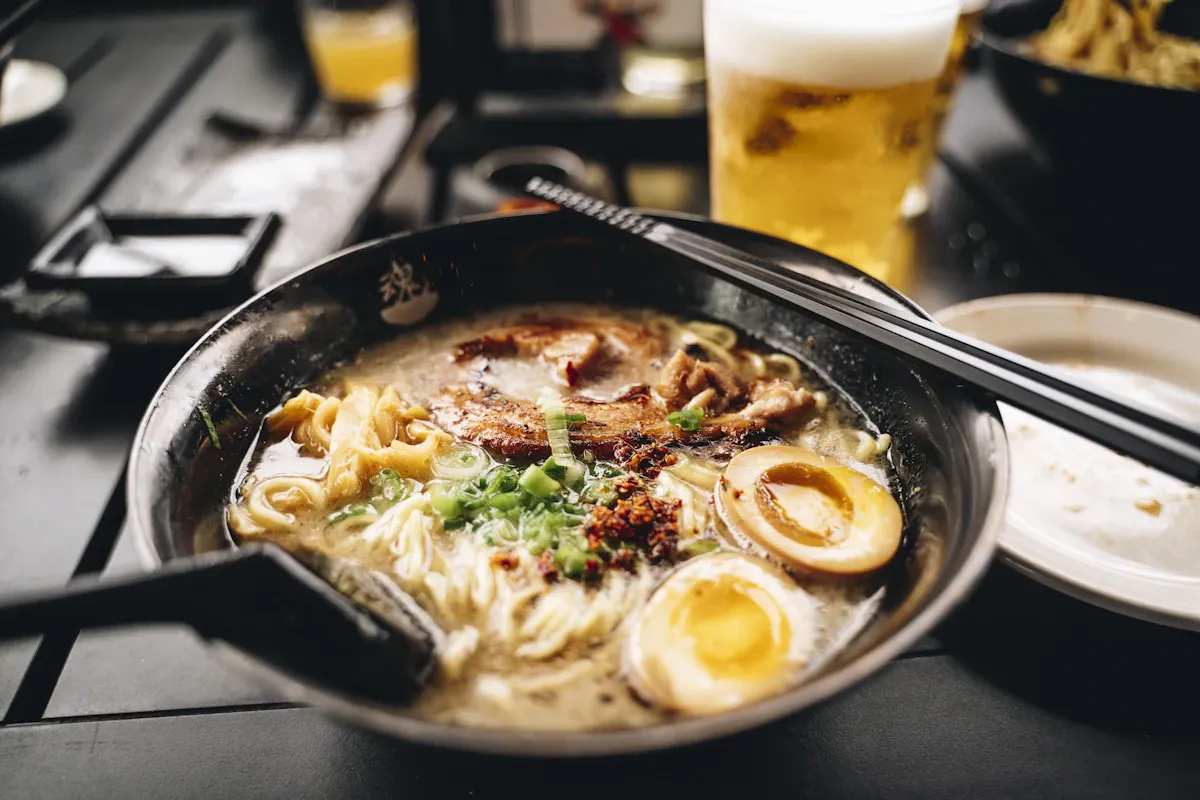
Ikaruga (東京駅 斑鳩) is a long-running Ramen Street tenant. The shop is known for its double-soup (Wスープ) technique: a creamy tonkotsu-style pork bone broth is blended with a lighter fish-based dashi, creating a layered flavor that is rich but not overwhelmingly heavy.
What to order
- Tokyo Station Ramen (~¥1,050): The house special, exclusive to this location. A thick, creamy bowl that balances pork richness with seafood depth.
- Shio Ramen (~¥1,000): The lighter salt-based version for those who prefer clarity over cream.
Practical info
- Hours: 10:00–23:00 (last order 22:30)
- Wait time: 10–20 minutes on average — one of the quieter shops.
- English menu: Yes
- Price range: ¥950–¥1,200
Ikaruga rewards repeat visits. If you found the tonkotsu version too heavy on your first try, come back for the shio — it is a completely different experience.
4. Tokyo Niboshi Ramen Tama (東京煮干し らーめん玉) — Thick niboshi broth
Tokyo Niboshi Ramen Tama is a niboshi (dried sardine) specialist from the rich-seafood shop Tama, and it opened on the street on 30 October 2018. The broth blends chicken paitan with several kinds of niboshi in what the shop calls a golden ratio, and the bowl is shaved with katsuobushi (bonito flakes) to order.
Choose it when you want a thick, fishy broth that is a different style from Rokurinsha's tsukemen and Soranoiro's veggie soba. Tabelog reviews from 2026 mention short waits even on days when Rokurinsha has a long line, so it is a useful fallback. The shop has 32 seats and opens at 8:30, earlier than most of the street.
The prices on the older Tabelog menu are lower than the prices reviewers report in 2026, so treat the figures below as approximate and check the ticket machine.
What to order
- Tokusei noko torori soba (about ¥1,380 per 2026 Tabelog reviews): The thick chicken-and-niboshi bowl in its special (tokusei) version.
- Chuka soba (¥900 on the older Tabelog menu, may be outdated): The lighter bowl.
- Torokeru katsuobushi gohan (¥350, official): A side of rice with melting bonito flakes.
Practical info
- Hours: 8:30–23:00 (last order 22:30), per the official tenant page
- Wait time: Reviews report short waits even when Rokurinsha has a long line.
- English menu: Not confirmed — check the official site / Google Maps
- Price range: From about ¥1,000; the tokusei bowl is about ¥1,380 (2026 reviews)
- Payment: Cash or transit IC card only
- Official page: Tokyo Station First Avenue — Tama and Tabelog
5. Shio Ramen Hirugao (塩らーめん専門 ひるがお) — Clear salt ramen
Shio Ramen Hirugao is the street's salt (shio) specialist and one of the original 2009 tenants, from the Setagaya (せたが屋) brand. Its clear broth is the light counterpart to Rokurinsha's dipping broth and Ikaruga's double soup.
The official page says the soup uses whole Shingen chicken with kombu, scallop, niboshi and vegetables, and that the tare (seasoning base) uses Vietnamese sea salt, white soy and katsuobushi. It states that no chemical seasonings are used, and the noodles are thin, straight Hokkaido Kitahonami wheat.
The shop is small, with 22 seats. When there is a line, buy your meal ticket first and then queue, as Tabelog and reviewers describe it.
What to order
- Shio ramen (¥1,000 per September 2026 Tabelog reviews): The signature bowl.
- Shio-tama ramen (¥1,150): The same bowl with a salt-marinated egg.
- Hirugao-style oyakodon (¥380, official): A small chicken-and-egg rice side.
Practical info
- Hours: 10:00–23:00 (last order 22:30), per the official tenant page
- Wait time: Buy your ticket first, then join the queue if there is a line.
- English menu: Not confirmed — check the official site / Google Maps
- Price range: ¥1,000–¥1,150 for the bowls above
- Payment: Cash or transit IC card only
- Official page: Tokyo Station First Avenue — Hirugao and Tabelog
6. Miso Menjo Hanamichian (味噌麺処 花道庵) — The street's miso ramen
Miso Menjo Hanamichian is the street's miso ramen shop, from a Nogata shop that the official page says was selected for the Michelin Guide Tokyo Bib Gourmand in 2016 and 2017. It opened here on 25 October 2023, so it is one of the newer tenants. The bowl is built on thick Mikawaya noodles with crunchy bean sprouts.
It opens at 8:00 and is open every day, which suits early travelers heading for a Shinkansen. Reported weekend waits are about 10 to 20 minutes, and you buy your ticket first, then queue.
One tip from Tabelog: make sure you are in Tokyo Ramen Street, not Tokyo Ramen Kokugikan or another ramen area inside the station.
What to order
- Miso ramen (check the ticket machine for the base price): The standard bowl with thick noodles and bean sprouts.
- Tokusei kara-miso ramen (¥1,490 per 2026 Tabelog reviews): The spicy version.
- Mini butadon (¥200): A small pork rice bowl to add on.
Practical info
- Hours: 8:00–23:00 (last order 22:30), per the official tenant page; open every day
- Wait time: About 10–20 minutes on weekends (reported)
- English menu: Not confirmed — check the official site / Google Maps
- Price range: Tokusei kara-miso ¥1,490; base price unknown (check the ticket machine)
- Payment: Cash or transit IC card only
- Official page: Tokyo Station First Avenue — Hanamichian and Tabelog
Current lineup (October 2026)
As of October 2026, the official Tokyo Station First Avenue site lists ten shops on Ramen Street: nine regular tenants and one limited-time pop-up. Six are reviewed in detail above; here is the full list. Tenants change from time to time, so check the official Tokyo Station First Avenue Ramen Street page before you go.
- Tokyo Niboshi Ramen Tama (東京煮干し らーめん玉) — niboshi (dried sardine) ramen with a chicken-and-niboshi broth; profiled above
- Soranoiro NIPPON (そらのいろ NIPPON) — shoyu ramen and a mushroom veggie soba; reviewed above
- Rokurinsha (六厘舎) — tsukemen; reviewed above
- Shio Ramen Hirugao (塩らーめん専門 ひるがお) — a shio (salt) ramen specialist; profiled above
- Tonkotsu Ramen Oreshiki Jun (とんこつらーめん 俺式 純) — rich tonkotsu ramen
- Tokyo Station Ikaruga (東京駅 斑鳩) — tonkotsu-and-seafood ramen; reviewed above
- Hanamichian (花道庵) — miso ramen; profiled above
- Kakushinka TOKYO (革新家 TOKYO) — iekei-style ramen
- Tsugaru Niboshi Hirakoya (津軽煮干 ひらこ屋) — Tsugaru-style niboshi ramen from Aomori
- Shokudo Hasegawa (食堂はせ川) — Kitakata ramen pop-up, open until 23 November 2026
Opening hours and best times to visit
Tokyo Ramen Street sits inside Tokyo Station First Avenue, which has its own operating hours.
General opening hours
- Opening times vary by shop (per the official tenant pages): Rokurinsha 10:00–23:00 after its morning session; Hanamichian and Oreshiki Jun 8:00–23:00; Tama 8:30–23:00; Soranoiro NIPPON and Kakushinka 9:00–23:00; Ikaruga and Hirugao 10:00–23:00; Hirakoya 10:30–22:30; the Hasegawa pop-up 11:00–22:30 (until 23 November 2026)
- Rokurinsha morning session: 7:30–9:45 (last order 9:30; limited breakfast tsukemen menu)
- Closed: Ramen Street follows the First Avenue schedule; individual shops may take occasional rest days
Hours can vary by shop and season. We recommend checking the official Tokyo Station First Avenue website or Google Maps for the latest times.
Best times to avoid queues
- Weekday mornings (before 11:00): The quietest window. Rokurinsha's 7:30am breakfast slot is the least crowded time to eat there, and Hanamichian (8:00) and Tama (8:30) also open early.
- Weekday late afternoons (14:30–17:00): The lunch rush has cleared and the dinner crowd has not arrived.
- Weekday evenings after 20:00: Shorter lines, though some shops may run out of certain toppings.
- Avoid: Weekends from 11:30–14:00 — this is peak queue territory, with 30–60 minute waits at popular shops.
Queue-busting strategy
Walk the entire street before choosing. If Rokurinsha has a 40-minute line, Ikaruga, Tama or another shop may have a much shorter wait — and the ramen is still excellent. Flexibility is the best queue hack on Ramen Street.
Vegetarian, vegan, and dietary options
Ramen Street is not the most diet-friendly food destination in Tokyo, but it is better than you might expect.
Vegetarian and vegan
Soranoiro NIPPON is your best bet. Its Veggie Soba is built on a soy-milk and mushroom broth, and the shop also lists vegan and gluten-free items; ask staff to confirm which bowls are fully vegan. This is one of the most genuinely vegetarian-friendly ramen shops in central Tokyo — read more in our vegetarian ramen guide.
Most other shops on Ramen Street use pork, chicken, or fish in their broths and cannot easily accommodate vegetarian diets.
Halal options
Unfortunately, none of the shops on Tokyo Ramen Street are halal-certified. Most broths contain pork, and cross-contamination is unavoidable in shared kitchens. If you need halal ramen near Tokyo Station, we have a dedicated guide: Halal ramen options near Tokyo Station.
Allergies
Wheat, egg, shellfish, and pork are present in most dishes. If you have serious allergies, ask at the ticket machine or counter — staff at most shops can show you an allergen chart (in Japanese, but often with pictograms). Soranoiro NIPPON lists gluten-free menu items; ask staff what is available.
Practical tips for your visit
How ordering works
Every shop on Ramen Street uses a ticket vending machine (食券機) at the entrance. Insert cash or tap your IC card, select your bowl, and hand the ticket to the staff. Most machines have English-language buttons — look for a flag icon or "English" label.
Payment
- Cash or transit IC card at the ticket machines: This is the payment method listed on every tenant page of the official site (Suica, Pasmo and similar cards). Credit cards are not listed, so bring cash as a backup
Seating
The shops are small: Shio Ramen Hirugao has 22 seats and Tokyo Niboshi Ramen Tama has 32. Luggage space is limited. If you are traveling with large suitcases, use the coin lockers on the station concourse before heading down to B1F.
Combine with other Tokyo Station food spots
Ramen Street is just one part of Tokyo Station's food scene. While you are in the area, consider checking out the station's excellent conveyor-belt sushi options — we cover the best ones in our conveyor belt sushi guide.
Is Tokyo Ramen Street worth it?
We get this question a lot — and the honest answer is yes, with a caveat.
Tokyo Ramen Street is not a tourist trap. The shops here are legitimate, well-regarded ramen restaurants that happen to have a branch inside a train station. Rokurinsha's tsukemen is genuinely among the best in the city. Soranoiro's veggie ramen would be noteworthy anywhere. Ikaruga's double-soup technique is the real deal.
The caveat: some ramen purists argue that the "main shop" experience at a standalone location — the tiny counter, the single-minded chef, the neighborhood atmosphere — is part of what makes great ramen great. They are not wrong. But if your time in Tokyo is limited, Ramen Street gives you access to excellent ramen without burning an hour on trains and another hour in a queue.
For most visitors, especially those passing through Tokyo Station anyway, Ramen Street is one of the smartest food stops in the city.