The best tsukemen (dipping ramen) in Shinjuku for 2026 — Fuunji's legendary 38-hour broth, Gonokami's shrimp tsukemen, the city's hardest reservation at Raa Menya Shima, and easy alternatives within a 10-minute walk of Shinjuku Station.
Introduction
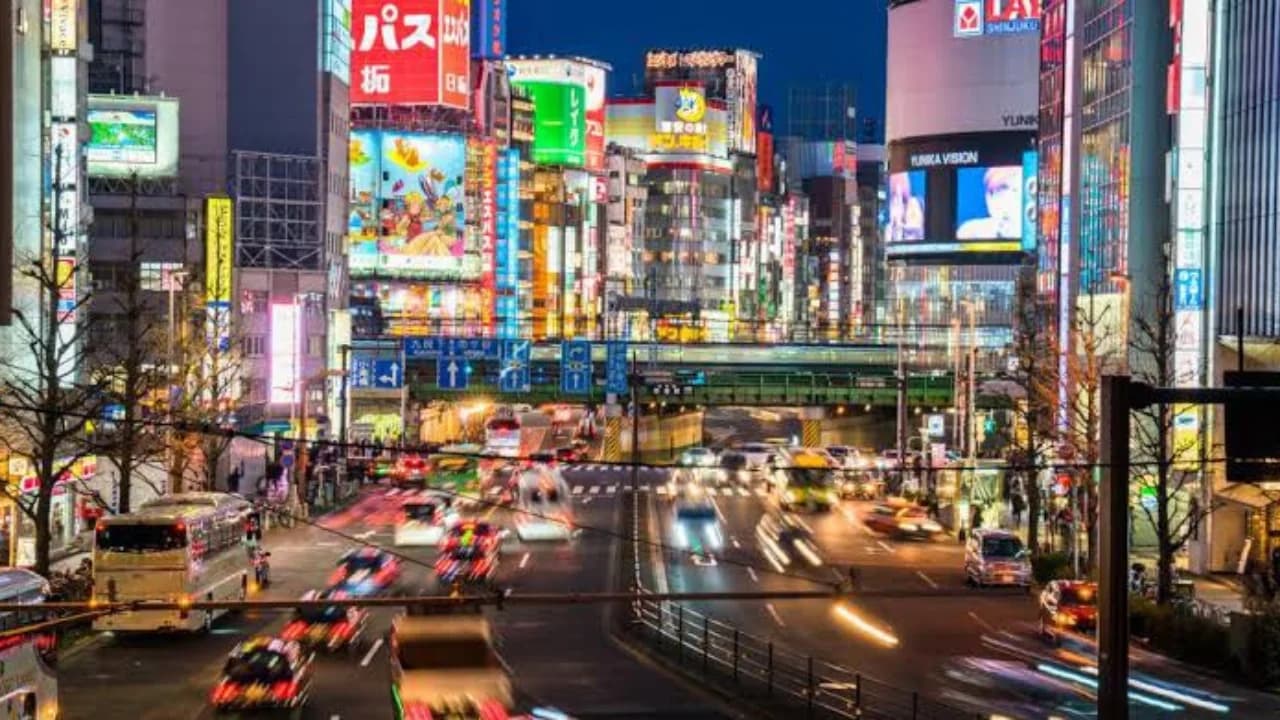
Shinjuku is the single best base in Tokyo for tsukemen — the dipping-noodle dish where thick, chewy noodles are served separately from a small bowl of concentrated, piping-hot broth that you dip into one bite at a time.
Within a 10-minute walk of Shinjuku Station you can hit a Tabelog Award winner with a 38-hour broth (Fuunji), the city's most distinctive shrimp-broth tsukemen (Gonokami Seisakusho), and a six-seat counter that books out within minutes (Raa Menya Shima). Add a couple of accessible chain options and you have a complete tsukemen day without leaving Shinjuku.
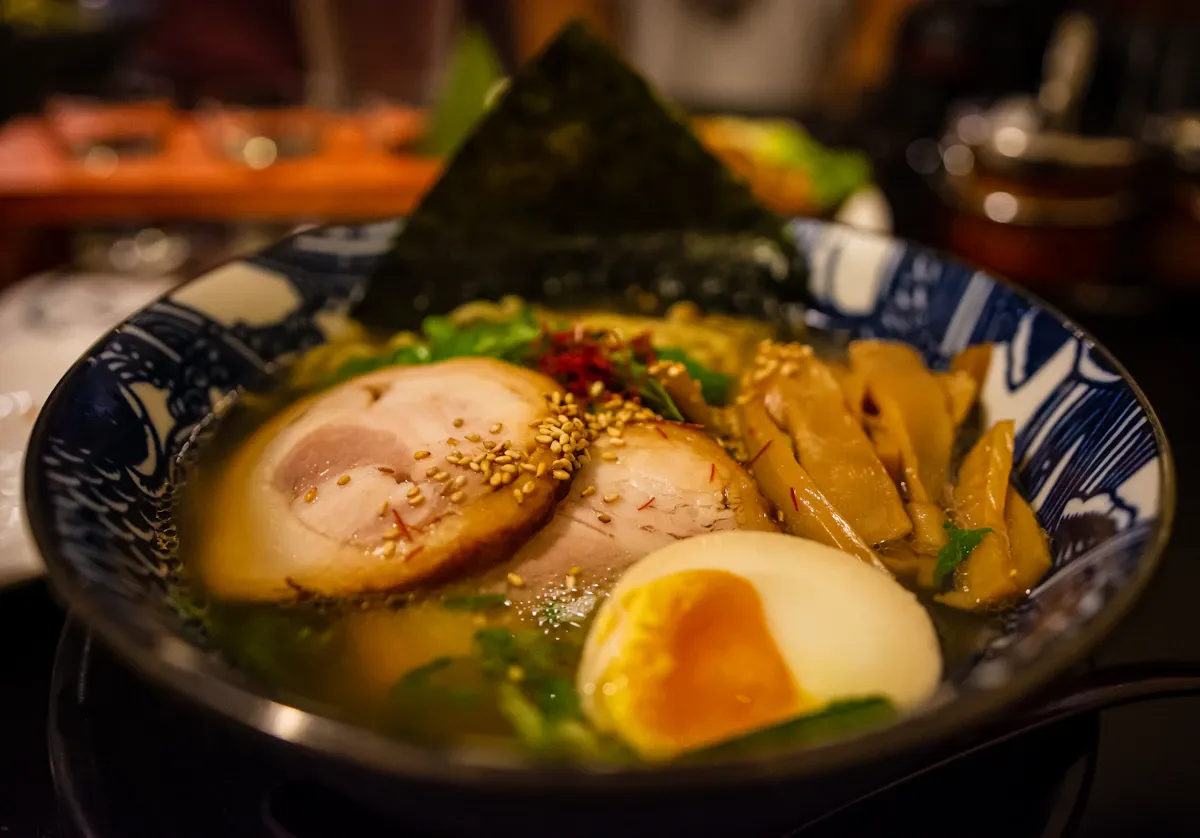
New to tsukemen entirely? Our best tsukemen Tokyo guide covers the full city's top seven shops, including the original 1961 birthplace in Ikebukuro and the most famous bowl inside Tokyo Station.
Quick picks (if you're in a hurry)
| Shop | Closest exit | Price (≈USD) | Wait / queue | Best for |
|---|---|---|---|---|
| Fuunji (風雲児) | Shinjuku South / Minami-Shinjuku | ~¥950–¥1,200 (≈$6–$8) | 30–60 min lunch queue | Tabelog Award, 38-hour broth |
| Gonokami Seisakusho (五ノ神製作所) | Shinjuku South / Sanchome | from ~¥1,000 (≈$7) | ~30 min; sells out early | Shrimp (ebi) tsukemen |
| Raa Menya Shima (らぁ麺や 嶋) | Nishi-Shinjuku 5-chome | ¥1,000–¥1,999 (≈$7–$13) | Reservation only (8:00 day prior) | Tabelog 4.06 |
1. Fuunji (風雲児) — The Shinjuku tsukemen legend
Fuunji is the answer most ramen-obsessed Tokyoites give when asked where to eat tsukemen near Shinjuku Station. The master trained as an Italian chef before pivoting to ramen in 2007, and that cross-disciplinary thinking shows in a broth simmered for 38 hours from chicken carcasses, bonito (katsuo), and kombu — zero pork in the base. The result is intensely savory but lighter in finish than most pork-forward rivals.
What to order
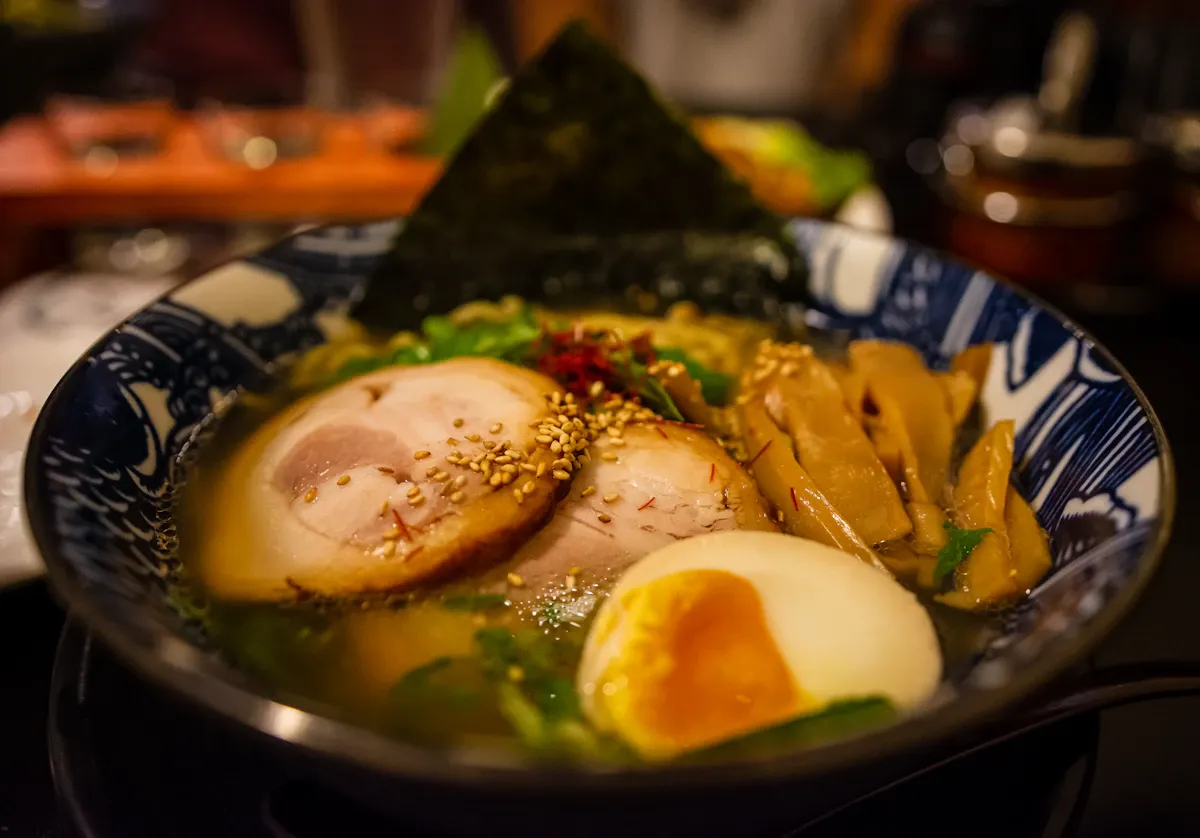
The Tokusei Tsukemen (~¥1,200) comes with pork belly chashu, menma (bamboo shoots), and nori. Large size is free, which puts Fuunji among the best value tsukemen in the city. The concentrated, creamy dipping broth has an almost beurre blanc-like quality — once you taste it, the Italian-chef backstory makes sense.
Practical info
- Address: 2-14-3 Yoyogi, Shibuya-ku, Tokyo (東京都渋谷区代々木2-14-3 北斗第一ビル1F) — note the address is technically in Shibuya-ku, but the shop is a 5-minute walk from Shinjuku Station's south exit and is universally regarded as a Shinjuku tsukemen destination
- Nearest stations: Minami-Shinjuku Station (南新宿駅) — Odakyu Line, 1-minute walk; or Shinjuku Station (新宿駅), south exit, 5-minute walk
- Hours: Approx. 11:00–15:00 & 17:00–21:00. Hours change — verify on Google Maps before visiting.
- Budget: ¥950–¥1,200 per person
- Reservations: Not accepted
- English menu: Yes
Insider tip
Arrive by 10:45 to join the pre-opening queue — by 11:30 the wait is typically 45–60 minutes. If you cannot make it for opening, the late-afternoon window between 14:30 and 16:00 is the calmest time of day. The shop is famous enough that a 30-minute wait is now the floor, not the ceiling.
Awards: Tabelog score 3.76 | Tabelog Award winner | Selected for Tabelog Ramen TOKYO 100 every year 2017–2025.
2. Tsukemen Gonokami Seisakusho (五ノ神製作所) — Shrimp broth specialist
Almost every major tsukemen shop in Shinjuku works with chicken, pork, or dried fish as its broth base. Gonokami Seisakusho takes a different route entirely: their signature is a dense, hot shrimp (ebi) dipping broth, packed with a pronounced crustacean sweetness that is unlike anything else in the area.
What to order
The Ebi Tsukemen (~¥1,000) is the reason people queue an hour before opening. The broth is made from whole shrimp shells cooked until the shellfish flavor is fully extracted, then seasoned and thickened. Creative seasonal variations like Ebi Miso Tsukemen and Ebi Tomato Tsukemen appear on the menu rotation — if either is available when you visit, try it.
Practical info
- Address: 5-33-16 Sendagaya, Shibuya-ku, Tokyo (東京都渋谷区千駄ヶ谷5-33-16 シャトレー新宿御苑第一1F) — near Shinjuku Takashimaya / Shinjuku Gyoen
- Nearest stations: Shinjuku-Sanchome Station (新宿三丁目駅), ~3 min; or Shinjuku Station (新宿駅) south exit, ~8 min
- Hours: 11:00–21:30 daily (last order 21:00)
- Budget: ¥1,000–¥1,999 per person
- English menu: Basic; pointing works fine
- Tabelog score: 3.77
Insider tip
Arrive at least 30 minutes before opening on weekends. The ebi broth is made in limited quantities and the shop closes when it runs out — often well before the listed closing time. If shrimp tsukemen is the reason you came, this is a non-negotiable timing.
3. Raa Menya Shima (らぁ麺や 嶋) — The six-seat counter
Only six seats. Only 60 bowls a day. Weekdays only. Reservations open at 8:00 the day before and fill within minutes. Raa Menya Shima is the hardest tsukemen reservation in Tokyo — and judging by its Tabelog score of 4.06, arguably the best.
What to order
Chef Shima trained at multiple legendary shops before opening this intimate counter in Nishi-Shinjuku. His Katsuo-Kobusui Tsukemen (skipjack tuna and konbu broth) is a masterclass in clarity and depth — the kind of bowl where each component has been thought through to an unusual degree. A tantan (sesame-spice) version is also on the menu for those who want heat.
Practical info
- Address: Nishi-Shinjuku Gochome area, Shinjuku, Tokyo (新宿区西新宿五丁目)
- Nearest station: Nishi-Shinjuku Gochome Station (西新宿五丁目駅) — Toei Oedo Line, Exit A2, 5-minute walk
- Hours: Mon–Fri only, 8:45–14:00 (last entry when sold out). Closed Sat & Sun.
- Budget: ¥1,000–¥1,999
- Reservations: Required — book via TableCheck at 8:00 the day before. Walk-ins are not possible.
Insider tip
If you cannot secure a reservation, follow Shima on social media — occasional same-day cancellation slots appear. The weekday-only schedule means this shop suits travelers with flexible weekday plans rather than weekend-only visitors.
Awards: Tabelog score 4.06 (Excellent) | Tabelog Award 2026 Bronze | Tabelog Ramen TOKYO 100 (2025) | Ramen Shop of the Year 2020.
Easier alternatives near Shinjuku Station
If the queue at Fuunji is unmanageable or you missed the reservation window for Shima, Shinjuku has several accessible chain or chain-adjacent tsukemen shops within a few minutes of the station. They will not match the top three on technique, but they are reliable, walk-in options — and several stay open into the small hours.
Mita Seimenjo (三田製麺所) — three Shinjuku branches
A well-run Tokyo tsukemen chain with three confirmed Shinjuku locations as of 2026. The signature is a thick gyokai-tonkotsu (fish-pork) dipping broth poured over chewy in-house noodles, with free large size and walk-in seating. The multiple branches mean you can almost always find one near where you are. Official site.
- Nishi-guchi (西口店) — 1-13-3 Nishi-Shinjuku, Nishishin Bldg 1F. Mon–Sat 10:00–03:00 (LO 02:30); Sun 10:00–22:30. ~3 min from Shinjuku West Exit. Tabelog 3.26
- Higashi-guchi (東口店) — opened 2024-07-29 at 3-31-5 Shinjuku, Pegasus-kan 1F & 2F. Mon–Sat 11:00–24:00 (LO 23:45); Sun/holidays 11:00–23:00 (LO 22:30). ~2 min from JR Shinjuku Central-East / Shinjuku-Sanchome A1. Tabelog 3.08
- Kabukicho (歌舞伎町店) — relocated and reopened 2024-09-24 at 1-14-3 Kabukicho, Dai-103 Tokyo Bldg 1F & 2F. Mon–Thu 11:00–03:00; Fri & pre-holiday 11:00–06:30; Sat 10:00–06:30; Sun/Hol 10:00–03:00. ~3 min from Seibu-Shinjuku. Tabelog 3.08
Budget across all three: ¥1,000–¥1,999 (~$7–$13 USD).
Tsukemen TETSU (つけめん 哲) — Keio Mall Shinjuku
TETSU's Shinjuku presence is the Keio Mall (京王モール) Shinjuku branch in the basement-level arcade connected to Shinjuku Station's west side. Their signature is yaki-ishi: a heated stone is dropped into your dipping broth toward the end of the meal to keep the temperature high as it cools from the noodles. Founded in Sendagi in 2005, TETSU has built its reputation on a pork-bone and seafood broth with a smoky, lingering finish.
- Address: Inside Keio Mall, Nishi-Shinjuku 1-chome (B1, near Keio New Line / Keio Shinsen West Exit)
- Hours: 10:00–23:00 daily (last order 22:45)
- Budget: ¥1,000–¥1,999 (~$7–$13 USD)
- Nearest exit: Keio Shinsen-Shinjuku Station West Exit, ~1 min; JR Shinjuku West Exit, ~3 min
- Tabelog: 3.27 / 500+ reviews
- Official: tetsu102.com Keio Shinjuku page
Menya Musashi (麺屋武蔵) — Shinjuku honten and Gorin-do
Menya Musashi's Shinjuku flagship near Seibu-Shinjuku Station and its Gorin-do (五輪洞) branch in Nishi-Shinjuku both serve well-regarded tsukemen variants alongside their main ramen menu. A fair fallback if the queues at Fuunji and Gonokami are not workable. Official site.
- 創始 麺屋武蔵 新宿総本店 (honten) — 7-2-6 Nishi-Shinjuku, K-1 Bldg 1F. 11:00–22:30 daily. ~5 min from Seibu-Shinjuku / ~7 min from JR Shinjuku West. Tabelog 3.47
- 麺屋武蔵 五輪洞 (Gorin-do) — 8-5-3 Nishi-Shinjuku, Watanabe Bldg 1F. Mon–Fri 11:00–22:30; Sat/Sun/holidays 11:00–21:00. ~1 min from Nishi-Shinjuku Station (Marunouchi Line). Signature: 濃厚五輪洞つけ麺 with hand-cut noodles, up to 1 kg at the same price. Tabelog 3.23
Honorable mentions
Most large Shinjuku ramen shops with a strong tsukemen variant — including chains visible in the underground Shinjuku-Sanchome arcade — will give you a perfectly enjoyable bowl in 15 minutes, no queue. The trade-off is the same trade-off as anywhere: chain-level execution rather than the obsessive depth you taste at Fuunji or Shima.
For a wider city-level view including the original 1961 Taishoken in Ikebukuro and the Tokyo Station options at Rokurinsha and Tomita's KITTE branch, see our best tsukemen Tokyo guide. For sushi in the same neighborhood — omakase, standing bars, and late-night picks — see our best sushi in Shinjuku guide.
How to choose between them
By how much time you have:
- Less than 30 minutes between sightseeing stops → Mita Seimenjo or another no-queue option
- 60–90 minutes including a queue → Fuunji
- A full reserved lunch slot → Raa Menya Shima
By taste preference:
- Light and refined seafood-forward broth → Fuunji or Raa Menya Shima
- Pronounced shellfish sweetness → Gonokami Seisakusho
- Heavy, rich pork-fish double-broth → Mita Seimenjo or similar chains
By experience level:
- First tsukemen ever → Fuunji (the canonical Shinjuku introduction)
- Already love tsukemen and want something different → Gonokami (shrimp) or Shima (refined)
- Serious ramen pilgrim → Shima, then Menya Itto in Shin-Koiwa (covered in our city-wide tsukemen guide)
By Shinjuku exit
- South Exit: Fuunji (5 min), Gonokami Seisakusho (8 min)
- East Exit / Shinjuku-Sanchome: Mita Seimenjo, chain alternatives
- Toei Oedo, Nishi-Shinjuku Gochome: Raa Menya Shima
If you are choosing your hotel by tsukemen access, anywhere on the south or west side of Shinjuku Station puts every shop in this guide within walking distance.
Tips for first-time tsukemen eaters in Shinjuku
Ticket vending machines (券売機): Almost every shop here uses an automated ticket machine at the entrance. Buy your ticket first, then take a seat. Cash is the safe default; some machines now also accept IC cards or QR — check the machine before lining up.
Noodle sizing: Large size (大盛り / ōmori) is usually free. For tsukemen, large is the right call for most adults — the noodles arrive separately and are easy to eat.
Supuwari (スープ割り): When your noodles are gone, hand the empty broth bowl to staff and say supuwari kudasai (スープ割りください). They will dilute your remaining concentrated broth with hot dashi so you can drink it as soup. Never skip this — it is one of the best parts of the meal.
Queue etiquette: At Fuunji and Gonokami, the line forms outside, single file. No saving spots, no leaving the line for long. Bring a water bottle in summer.
Photography: Quick photos of your bowl are universally fine; setting up a tripod or extended shoot is not. Most shops appreciate eating-first, photographing-second.
Halal / vegetarian: Tsukemen broths are almost always built on pork bones, chicken, and dried fish. For halal options see our halal ramen Tokyo guide; for plant-based, our vegan ramen Shinjuku guide covers the few specialist plant-based shops in the area.