We found 8 gluten free restaurants in Tokyo, from a fully GF kitchen to curry, sushi, yakitori and pizza. Includes hidden gluten warnings and tips.
Introduction
Eating gluten free in Tokyo can feel intimidating at first. Soy sauce contains wheat, tempura batter is everywhere, and udon noodles are a staple -- so how do you navigate one of the world's greatest food cities when gluten is off the table?
The good news: once you know where to look, Tokyo is surprisingly friendly for gluten free diners. Many traditional Japanese dishes are naturally free of gluten -- think sashimi, grilled meats, rice bowls, and edamame. And a growing number of restaurants now cater specifically to allergy-conscious visitors, with allergen charts, English-speaking staff, and clearer labeling.
We have spent years eating our way through Tokyo with dietary restrictions in mind, and in this guide we cover 8 of the best gluten free restaurants in Tokyo -- spanning a curry chain, sushi counters, yakitori joints, rice bowl chains, a ramen shop, a vegan cafe, a dedicated gluten free restaurant, and a pizza bar. We also break down the hidden sources of gluten in Japanese food and share practical tools for communicating your needs.
Whether you have celiac disease or simply prefer to avoid gluten, this guide will help you eat well and eat safely across the city.
Hidden gluten in Japanese food — what to watch for
Before we get to the restaurant list, it helps to understand where gluten hides in Japanese cuisine. The biggest culprits are not always obvious:
Soy sauce (shoyu): Standard Japanese soy sauce is brewed with wheat. It shows up in practically everything -- dipping sauces, marinades, simmered dishes, soup broths, and glazes. The gluten free alternative is tamari (たまり), a wheat-free soy sauce that tastes almost identical. Some restaurants stock tamari if you ask, but many do not.
Tempura and panko: Anything deep-fried in batter or breadcrumbs contains wheat. This includes tempura, tonkatsu (breaded pork cutlet), korokke (croquettes), and fried chicken at some shops.
Udon, ramen, and soba: Udon and ramen noodles are wheat-based. Soba noodles are made from buckwheat but are almost always blended with wheat flour (look for juwari soba or 十割そば, which is 100% buckwheat). If you are looking for gluten free noodle options, check out our guide to gluten free ramen in Tokyo for dedicated spots.
Miso soup: Some miso pastes contain barley (mugi miso). Rice-based miso (kome miso) is generally safe, but cross-contamination can occur in restaurant kitchens.
Teriyaki sauce: Traditional teriyaki glaze uses soy sauce as a base, so it contains wheat.
Gyoza and nikuman: Dumpling wrappers and steamed buns are wheat-based.
Knowing these trouble spots makes it much easier to order safely -- and the restaurants below have already done much of the work for you.
1. CoCo Ichibanya — Wheat-free pouch curry
CoCo Ichibanya (commonly called CoCo Ichi) is Japan's largest curry chain, and it sells a curry made without the seven mandatory allergens, which include wheat (特定原材料7品目を使用していないカレー). It is served sealed in its pouch for you to open yourself, so it is not a custom rice-flour roux made to order. Utensils and tableware are shared with all other menu items, so cross-contact is possible. For a fast, affordable wheat-free meal, it is still hard to beat.
What to order
Ask for the curry made without the seven specified allergens, with plain rice. Because it arrives sealed, you cannot choose toppings or spice levels, and you should avoid ordering breaded toppings like tonkatsu or croquette alongside it, since the kitchen handles wheat.
Practical info
- Locations: Many Tokyo locations; availability varies by store, so check the website or ask before sitting down
- Popular locations: Shibuya, Shinjuku, Ikebukuro, Akihabara
- Hours: Typically 11:00-23:00
- Price range: Roughly 230-420 yen for the pouch curry depending on rice portion and takeout (third-party figures; confirm in store)
- English menu: Allergen information is published by the chain; ask staff for the allergen chart
Insider tip
Confirm availability on the official CoCo Ichibanya website (ichibanya.co.jp) before you go, and tell the staff you have a wheat allergy (小麦アレルギー) so they can note the shared utensils.
2. Sushi Restaurants — Naturally gluten free with tamari
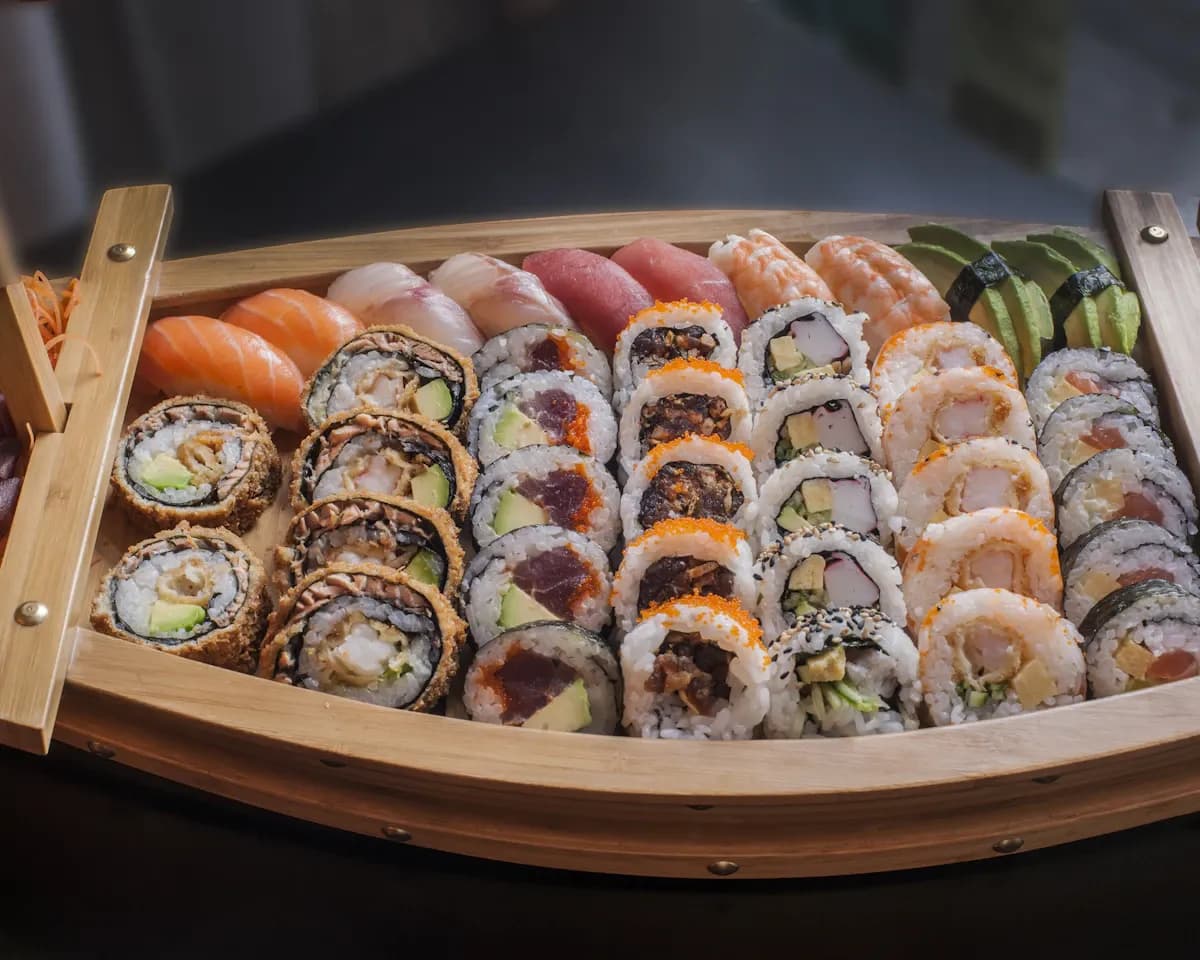
Sushi is one of the safest and most delicious options for gluten free diners in Tokyo -- as long as you handle the soy sauce situation. The sushi itself (fish plus vinegared rice) is naturally gluten free. The problem is standard soy sauce, which contains wheat.
The solution is simple: bring your own tamari or ask the restaurant if they stock it. Higher-end sushi restaurants are increasingly aware of gluten free needs and may have tamari available. At conveyor belt spots, you will likely need to bring your own small bottle.
Recommended spots
Sushizanmai (すしざんまい): A popular chain with locations near Tsukiji Outer Market, Shinjuku, and Shibuya. Fresh fish at reasonable prices, and the staff are accustomed to tourist requests. Bring tamari for a fully GF experience.
Conveyor belt sushi chains: Sushiro, Kura Sushi, and Genki Sushi all serve nigiri that is usually gluten free apart from soy sauce, but check the rice vinegar, tamago and crab sticks -- just skip the soy sauce or bring tamari. Our guide to conveyor belt sushi in Tokyo covers the best spots in detail.
What to avoid at sushi restaurants
Steer clear of anything with tempura, unagi (eel -- the glaze uses soy sauce), and most rolls with mayo-based sauces (some contain wheat). Stick to nigiri and sashimi for the safest choices.
Insider tip
Purchase a small bottle of tamari from any Tokyo supermarket or Seijo Ishii gourmet grocery. The brand San-J makes a widely available gluten free tamari. Carry it in your bag and you can safely enjoy sushi at virtually any restaurant in the city.
3. Yakitori Joints — Grilled chicken on sticks, mostly GF
Yakitori (grilled chicken skewers) is one of Tokyo's great casual dining traditions, and most of it is naturally gluten free -- as long as you order shio (salt) seasoning instead of tare (sauce). The tare glaze is soy-sauce-based and contains wheat, but salt-grilled skewers are simply chicken, salt, and charcoal smoke.
Recommended spots
Torikizoku (鳥貴族): A nationwide yakitori chain where every item is a flat 410 yen (as of October 2026). Order everything with shio and you are safe. The grilled chicken thigh (momo), chicken skin (kawa), and tsukune (chicken meatball -- confirm ingredients, as some locations add breadcrumbs) are all excellent with salt.
Birdland (バードランド): A high-end yakitori restaurant in Ginza that uses premium jidori chicken. The chefs here understand allergen requests well and can guide you through the menu. Reservations are essential.
How to order
When ordering, say: "Shio de onegaishimasu" (塩でお願いします) -- this means "salt, please." Most yakitori menus give you the choice between shio and tare for each skewer.
What to avoid
Skip the tare-glazed skewers, fried items like karaage (which uses wheat flour or starch -- varies by shop), and any skewers with breaded coating.
4. Gyudon Chains — Rice bowls with gluten free awareness
Gyudon (beef rice bowl) chains are everywhere in Tokyo and offer fast, filling meals for under 500 yen. The catch for gluten free diners: the simmering sauce for the beef typically contains soy sauce and sometimes mirin with trace wheat.
However, some chains have stepped up their allergen transparency:
Matsuya (松屋): Matsuya publishes detailed allergen charts on their website and in-store, listing every ingredient by dish. Their plain grilled items and some curry options may work depending on your sensitivity level. Check the chart carefully -- the staff can provide the printed allergen sheet in English at most locations.
Sukiya (すき家): Sukiya also provides allergen information and has a wide menu that includes some rice-based options with clearer ingredient lists.
Important caveat
For people with celiac disease, standard gyudon at any chain is not safe due to the soy sauce in the simmering broth. However, if you have a non-celiac gluten sensitivity and can tolerate trace amounts from soy sauce, these chains offer very affordable meals. Always check the allergen chart and make your own judgment based on your sensitivity level.
Insider tip
At Matsuya, the negi tamago gyudon (beef bowl with egg and green onion) uses the same soy-based sauce. A safer option may be their set meals (teishoku) with grilled fish and rice -- check the allergen chart for specific items that avoid wheat entirely.
5. Afuri — Yuzu shio ramen with a konjac noodle swap
Afuri is a popular Tokyo ramen chain known for its signature yuzu shio (citrus salt) ramen. While not certified gluten free, the yuzu shio broth is salt-based rather than soy-sauce-based, which makes it a lighter option for those avoiding soy-sauce-heavy dishes. However, standard ramen noodles are wheat-based.
The reason Afuri makes this list: the only wheat-free swap is konjac noodles, which Afuri's shop information says are available at all stores. Afuri's official site makes no gluten-free claim, so its broth base may work for those with mild sensitivities but is not confirmed. For a truly gluten free ramen experience, see our gluten free ramen guide.
Practical info
- Locations: Ebisu (original), Nakameguro, Roppongi, Shinjuku (LUMINE 1 and Shinjuku Sumitomo Building)
- Hours: Ebisu 11:00-05:00; Nakameguro 11:00-23:00; Shinjuku LUMINE 10:00-22:00; Shinjuku Sumitomo Building 11:00-20:00
- Price range: 1,000-1,400 yen per bowl
- English menu: Yes
Important note
Afuri is not a safe option for celiac diners due to shared cooking surfaces and wheat noodles in the kitchen. It is listed here as an option for those with milder gluten sensitivity who want to enjoy a ramen-shop atmosphere with a lighter, non-soy-sauce broth.
6. Ain Soph Journey — Vegan cafe with some GF items
Ain Soph. Journey Shinjuku (アインソフ ジャーニー新宿) is a plant-based restaurant, and the official Ain Soph site lists some gluten free items, such as rice-flour noodles (a seasonal cold spicy noodle dish at its Shinjuku, Ginza and Kyoto branches) and gluten free cookies. If you are both gluten free and vegan, it is one of the more accommodating restaurants in Tokyo, but not every dish is gluten free, so check each one with the staff. The atmosphere is warm and relaxed.
What to order
The signature dish is the vegan "heavenly" pancake (天上のヴィーガンパンケーキ), which is vegan but not stated to be gluten free. For gluten free choices, ask about the seasonal rice-flour noodle dish and the gluten free cookies. Ain Soph's gluten free pancakes are sold online only. Everything is plant-based, but confirm the gluten free status of each dish with staff.
For more plant-based dining options, our guide to vegetarian ramen in Tokyo covers noodle spots that cater to dietary restrictions.
Practical info
- Location: 3-8-9 Shinjuku, Shinjuku Q Building B1-2F, Shinjuku-ku
- Nearest station: 3-minute walk from Shinjuku-Sanchome Station (Exit C6)
- Hours: Weekdays 11:30-16:00 and 18:00-21:00 (some sources say 21:30); Saturday, Sunday and holidays 11:30-17:00 and 18:00-21:00; irregular holidays
- Price range: Weekday lunch sets start in the 1,000-yen range
- Reservation: Recommended, especially for weekend brunch
- English menu: Yes, with allergen labels
7. Gluten Free T's Kitchen (グルテンフリー ティーズキッチン) — A fully gluten free menu beyond ramen
Gluten Free T's Kitchen is a dedicated gluten free restaurant. The official site says every dish and drink is made without wheat, barley or rye, and it describes the restaurant as Asia's first certified gluten-free restaurant (the site names no certifying body). Unlike most restaurants in this guide, you can order a full meal here without checking every item for hidden wheat. The Roppongi menu runs from Cajun Fried Chicken (karaage) and rice-flour chicken dumplings to okonomiyaki, vegetable tempura and a chicken katsu plate, so you can order the fried dishes that are normally off limits.
It is a small restaurant, so reserve through TableCheck. The official site warns that some ingredients come from facilities that also handle wheat, and that it cannot guarantee every meal for other allergies. The Harajuku branch, opened on 3 April 2026, operates as a gluten-free izakaya.
What to order
- Cajun Fried Chicken (karaage, ¥1,780)
- Okonomiyaki (¥1,650)
- Vegetable Tempura (¥1,750)
Practical info
- Locations: Roppongi: 2F, 7-8-5 Roppongi, Minato-ku. Ueno Hirokoji: APA Hotel Ueno Hirokoji 1F, 5-3-3 Sotokanda, Chiyoda-ku. Harajuku (gluten-free izakaya): B1F Shanzerize Harajuku, 4-28-14 Jingumae, Shibuya-ku
- Nearest station: Roppongi: Toei Oedo Line Roppongi Station 2 minutes, Hibiya Line Roppongi Station 4 minutes. Ueno Hirokoji: Suehirocho Station about 220 m (Tabelog)
- Hours: Roppongi: 12:00-16:00 (last order 15:00) and 17:00-22:00 (last order 20:30). Ueno Hirokoji: 7:00-9:30, 12:00-16:00 and 17:00-22:00. Harajuku: weekdays 12:00-16:00 and 17:00-22:00, weekends 12:00-22:00
- Closed: Roppongi: Tuesdays. Ueno Hirokoji: lunch and dinner closed on Wednesdays. Harajuku: Wednesdays
- Price range: Roppongi examples: Okonomiyaki ¥1,650, Cajun Fried Chicken ¥1,780, Chicken Katsu Plate ¥2,200
- Reservation: Through TableCheck; a ¥3,000 per group cancellation fee applies if you cancel within 7 days (check the booking terms)
- English menu: Yes
- Official site: Gluten Free T's Kitchen (menu: glutenfree.co.jp/menu-en)
- Tabelog (Roppongi): Gluten Free T's Kitchen Roppongi
8. Pizzakaya Roppongi (ピザカヤ 六本木店) — Gluten-free pizza option
Pizzakaya is a American-style pizza bar whose official site says gluten-free pizza is available (グルテンフリーピザもご用意しています). That makes it useful for mixed groups where only some diners avoid gluten. The restaurant moved to Roppongi Grand Tower in 2025 (Tabelog gives the opening date at the new site as 15 April 2025), so older listings that show a Nishi-Azabu address are out of date. Check the current address on the official site before you go.
Treat it as an option for mild gluten sensitivity, not celiac disease. The official site says nothing about cross-contamination, and regular wheat pizza is made in the same kitchen, so ask how the gluten-free pizza is prepared. Tabelog also lists a gluten-free menu, a vegan menu and allergen labeling. We could not verify the gluten-free surcharge, toppings or an English menu, so confirm those when you book.
What to order
- Gluten-free pizza (グルテンフリーピザ) -- ask staff which toppings are available
Practical info
- Location: 2F Sumitomo Fudosan Roppongi Grand Tower, 3-2-1 Roppongi, Minato-ku (per Tabelog; check the current address on the official site)
- Nearest station: Roppongi-itchome Station (六本木一丁目駅) -- Tokyo Metro Namboku Line, west gate, 1 minute (Tabelog)
- Hours: Mon-Fri 11:30-15:00 and 16:00-22:00; Sat 17:00-22:00; Sun 12:00-21:00 (official site; Tabelog shows a later closing time, so go by the official times)
- Closed: Not confirmed; check the official site
- Price range: Not confirmed
- English menu: Not confirmed
- Official site: Pizzakaya
- Tabelog: Pizzakaya Roppongi
Naturally gluten free Japanese foods to look for
Beyond these specific restaurants, many traditional Japanese foods are naturally free of gluten. Keeping this list in mind will help you eat safely even at places not on this guide:
- Sashimi: Raw fish slices, served without rice. Dip in tamari instead of regular soy sauce
- Onigiri (rice balls): Most fillings are safe (salmon, umeboshi plum, kombu seaweed), but check for soy-sauce-marinated fillings. Available at every convenience store
- Edamame: Steamed soybeans with salt. Naturally gluten free and available at virtually every izakaya
- Mochi: Glutinous rice cakes (the name is misleading -- glutinous rice contains no gluten). Found at wagashi shops and convenience stores
- Grilled fish (yakizakana): Salt-grilled fish is a staple of Japanese set meals. Safe as long as no soy-sauce glaze is used
- Natto: Fermented soybeans, traditionally eaten over rice for breakfast. The sauce packet may contain wheat, so use tamari instead
- Japanese sweet potatoes (satsumaimo): Roasted whole and sold by street vendors, especially in autumn and winter. Completely gluten free
- Fruits: Japan's premium fruit culture means you will find incredible strawberries, grapes, peaches, and melons at markets and department store food halls
Convenience stores (7-Eleven, Lawson, FamilyMart) are also useful for gluten free travelers. Plain onigiri, bananas, hard-boiled eggs, yogurt, and edamame packs are reliably safe options available 24/7.
How to communicate gluten free needs in Tokyo
Communicating a gluten free diet in Japan requires a bit of preparation, because the concept of "gluten free" is not as widely understood as it is in Western countries. Here are the most effective strategies:
Allergy communication cards
The single most useful tool is a printed or digital allergy card in Japanese. A good gluten free card should say something like:
"I have a wheat allergy. I cannot eat anything containing wheat, wheat flour, regular soy sauce, barley, or rye. This includes bread, noodles (udon, ramen, soba with wheat), tempura, tonkatsu, gyoza, and foods cooked with regular soy sauce. Tamari soy sauce (made without wheat) is okay."
In Japanese: 小麦アレルギーがあります。小麦、小麦粉、通常の醤油、大麦、ライ麦を含むものは食べられません。パン、麺類(うどん、ラーメン、小麦入りそば)、天ぷら、とんかつ、餃子、通常の醤油で調理したものは食べられません。たまり醤油(小麦不使用)は大丈夫です。
Print this out or save it on your phone. Show it to restaurant staff before ordering. In our experience, Japanese restaurant staff take allergy cards very seriously and will go out of their way to help.
Useful apps
- Irumo / Allergy Translation Card apps: Several free apps generate allergen cards in Japanese
- Google Translate camera mode: Point your phone at a Japanese menu and get instant translation -- helpful for scanning ingredient lists
- Happy Cow: Useful for finding plant-based and allergy-friendly restaurants, with user reviews that often mention GF options
Key Japanese phrases
- Komugi arerugi ga arimasu (小麦アレルギーがあります) -- "I have a wheat allergy"
- Komugi nashi de onegaishimasu (小麦なしでお願いします) -- "Without wheat, please"
- Shoyu wa daijoubu desu ka? (醤油は大丈夫ですか?) -- "Is the soy sauce okay?" (to ask whether they use regular or tamari)
- Tamari shoyu wa arimasu ka? (たまり醤油はありますか?) -- "Do you have tamari soy sauce?"
A note on "gluten free" vs. "wheat allergy"
In Japan, framing your needs as a wheat allergy (小麦アレルギー) is more effective than saying "gluten free." Japan's food allergy labeling system revolves around specific allergens (wheat, eggs, milk, etc.), so restaurant staff understand "wheat allergy" much more readily than the broader concept of gluten avoidance.